
 Pin it
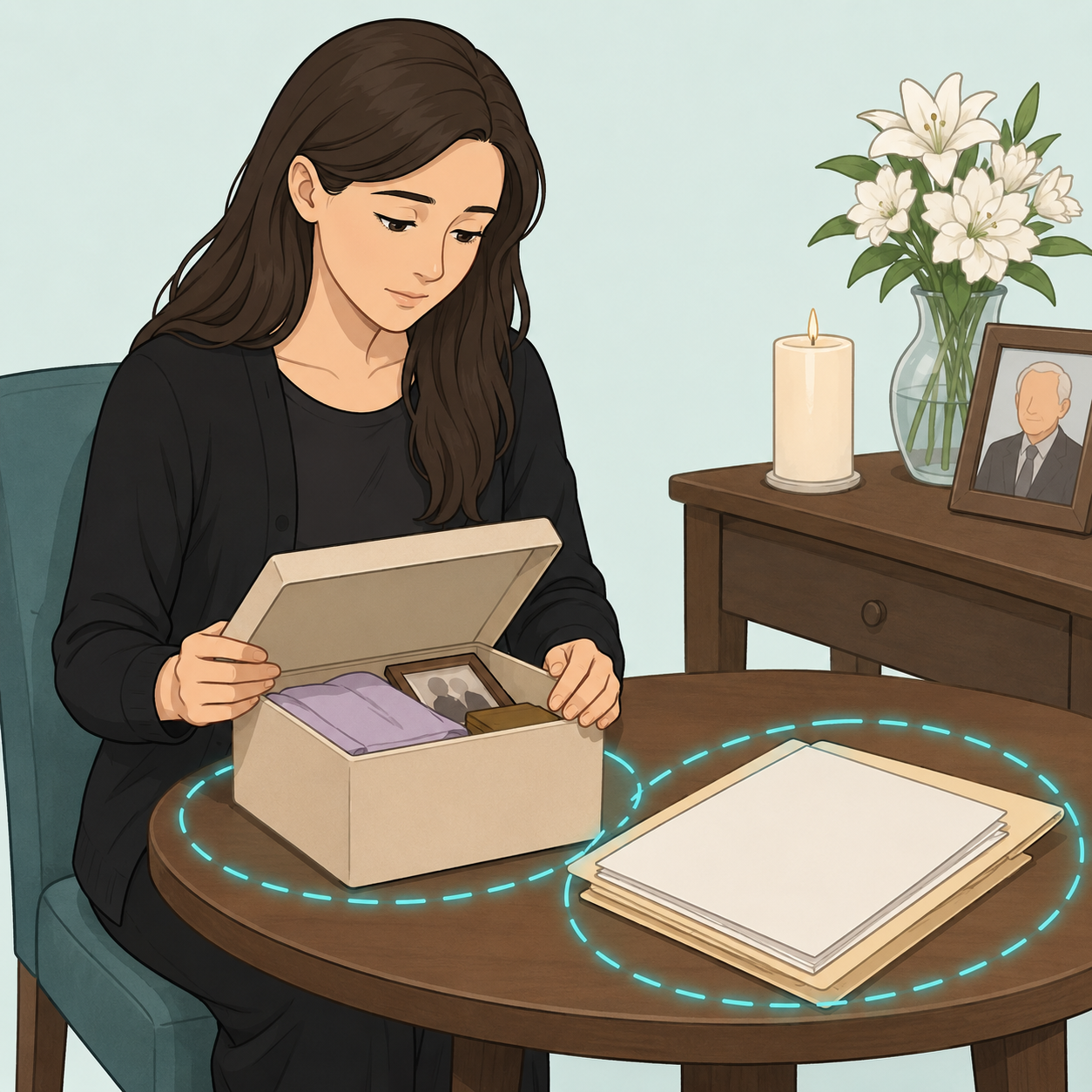
An unexpected box, letter, or inheritance after a funeral can bring up grief, confusion, hope, and suspicion all at once. This guide explains how to slow the situation down, verify what you have been given, protect important documents, and decide what to do next. It is especially useful when money, housing, family tension, or questions about an older person’s wishes are involved.
Pause before making promises
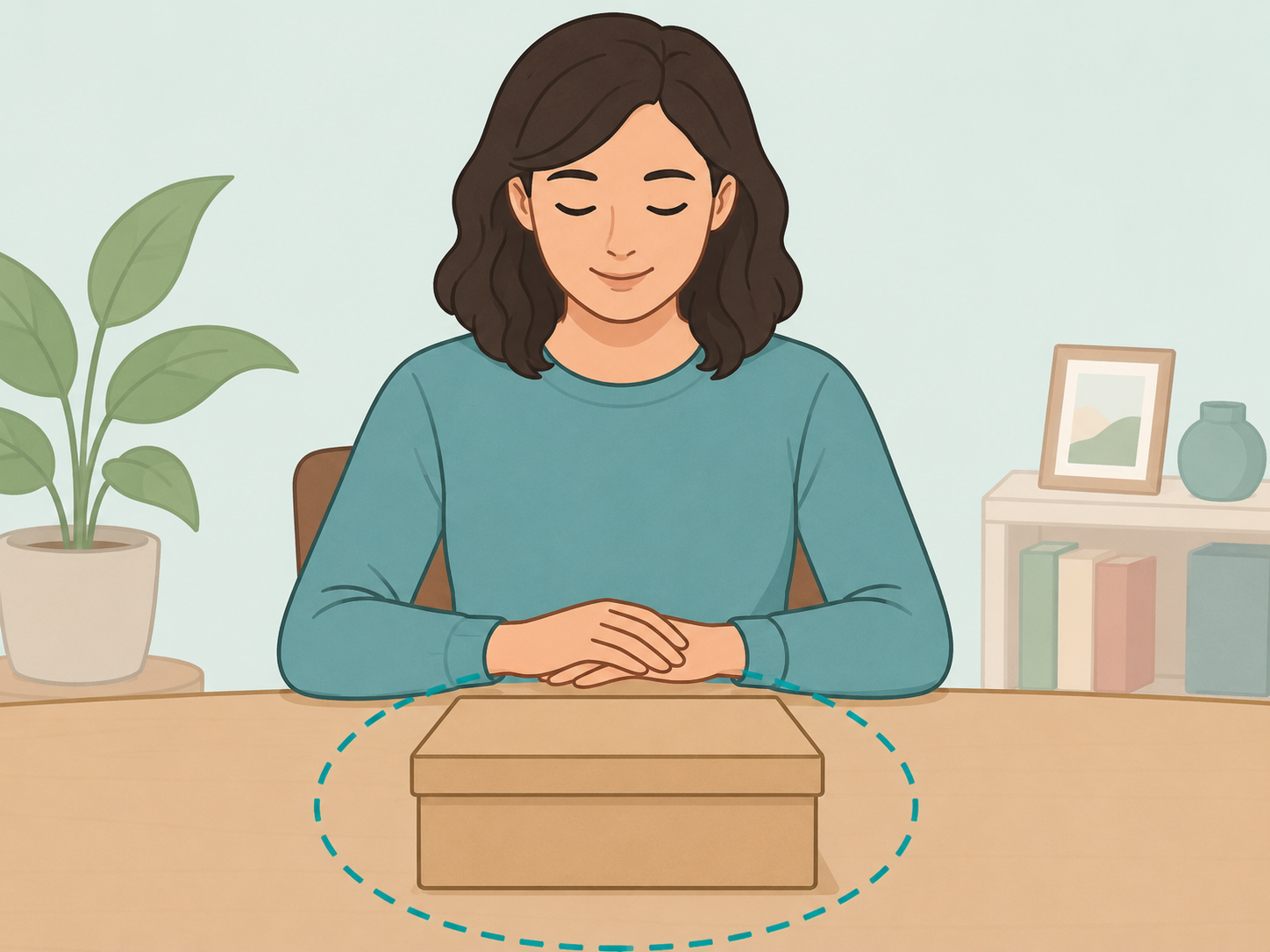
Take time to breathe before you agree to anything, sign anything, or tell everyone what happened. Grief and surprise can make decisions harder, and the National Institute on Aging notes that grief can affect concentration and decision-making. Put the box, letter, or paperwork somewhere safe and give yourself a short cooling-off period.
Verify who gave you the item
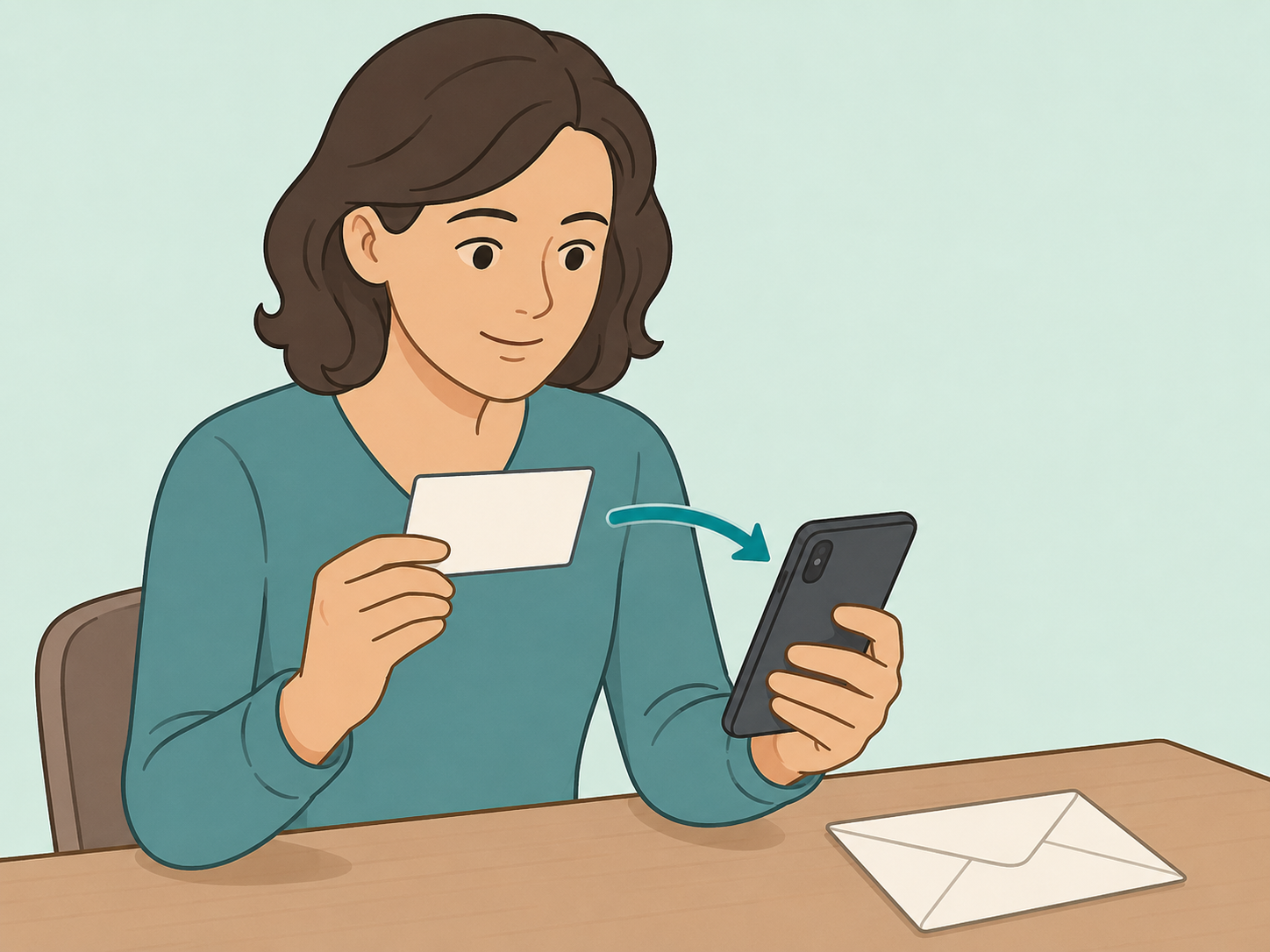
Confirm the lawyer’s name, office, phone number, and relationship to the estate using an independent source, not only a phone number on a text or message. Funeral-related imposters sometimes pressure grieving families for money or personal information, and the Federal Trade Commission advises contacting the real business directly when something feels urgent or suspicious. Ask for a written explanation of why the item was released to you.

Protect the original documents and keepsakes
Keep every original document, envelope, receipt, key, photograph, and handwritten note together in one folder or box. Do not mark, staple, laminate, or scan-and-discard originals, since estate documents and personal property may need to be reviewed later. If the item includes valuables, photograph them and store them in a secure place until you know who has legal authority over them.
Learn whether probate is involved
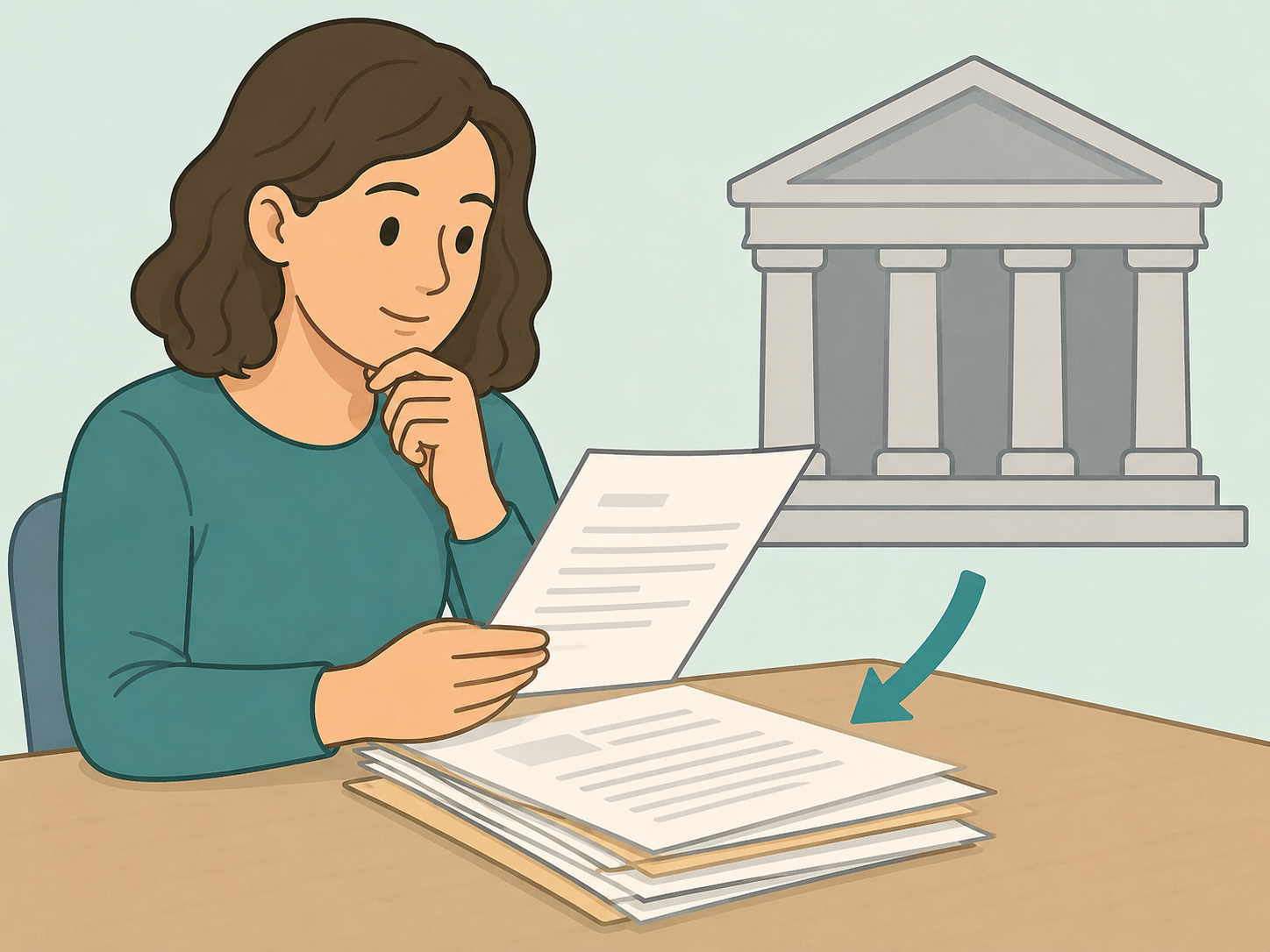
Probate is the court process that recognizes a will and appoints someone to administer an estate, according to the American Bar Association. Some assets pass through probate, while others may pass by beneficiary designation, joint ownership, or trust. Ask whether a probate case has been opened and who the executor or personal representative is.
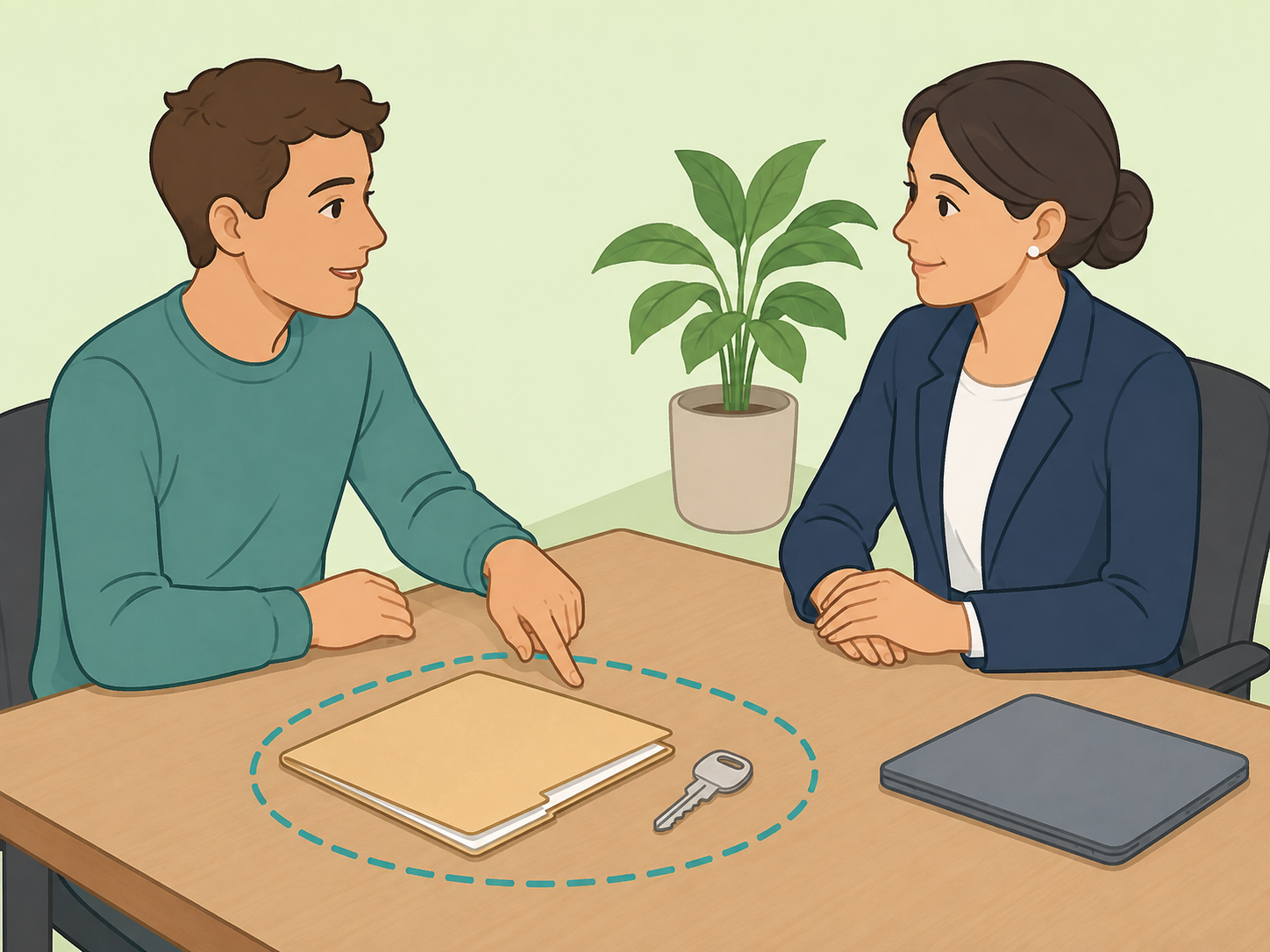
Ask what authority the estate representative has
The person handling an estate may need formal authority before collecting assets, paying debts, or distributing property. The American Bar Association explains that executors and trustees act in a fiduciary role and must follow the will, trust, and state law. Request written confirmation before handing over property or accepting instructions from a relative.
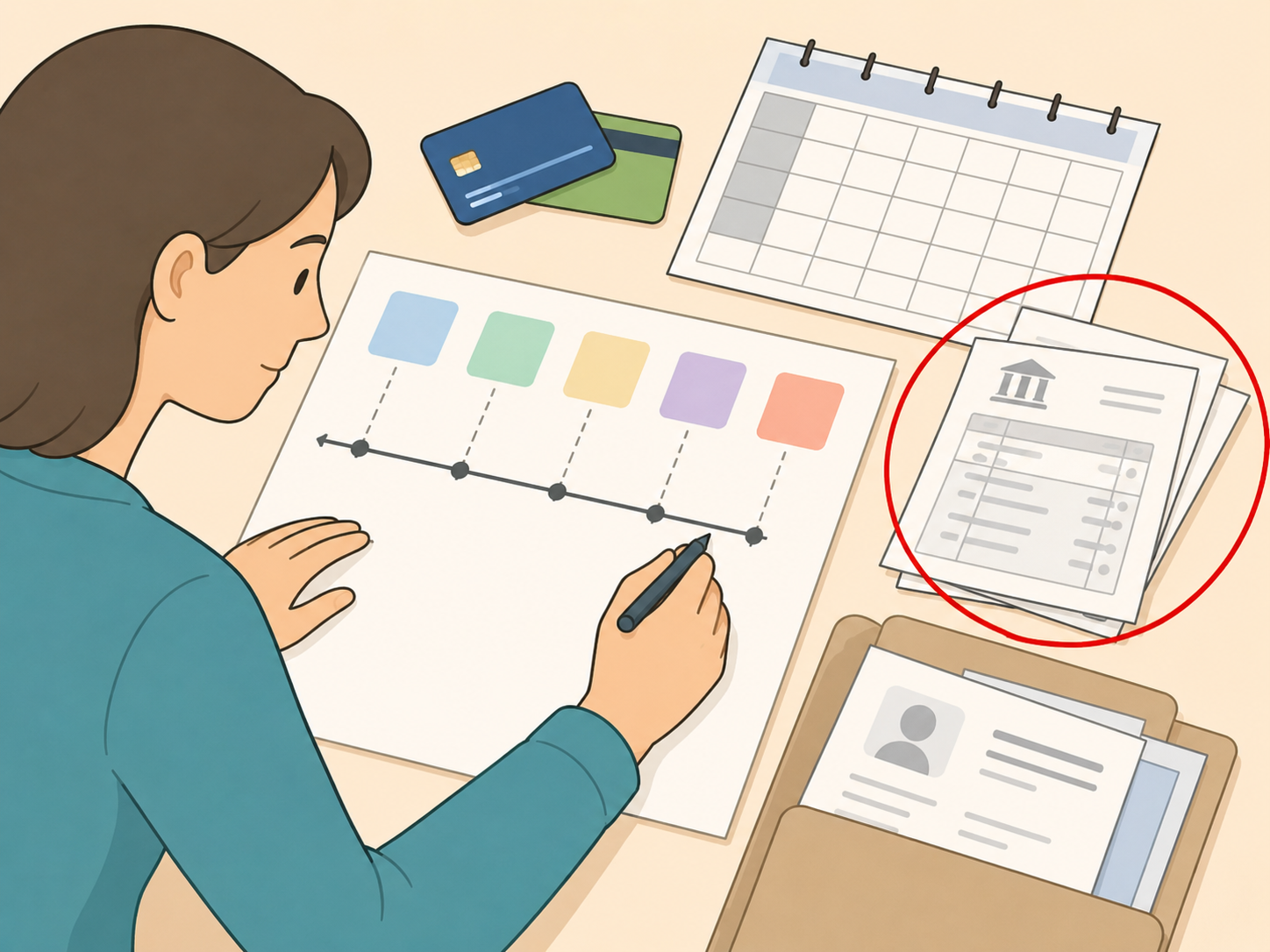
Watch for signs of financial exploitation
If the story involves an older person, a sudden marriage, isolation, unusual gifts, or changed beneficiaries, write down only what you can verify. The Consumer Financial Protection Bureau lists warning signs such as unexplained missing money, sudden account changes, or someone controlling an older adult’s decisions. Share concerns with a qualified estate attorney or the appropriate protective agency instead of confronting people in anger.
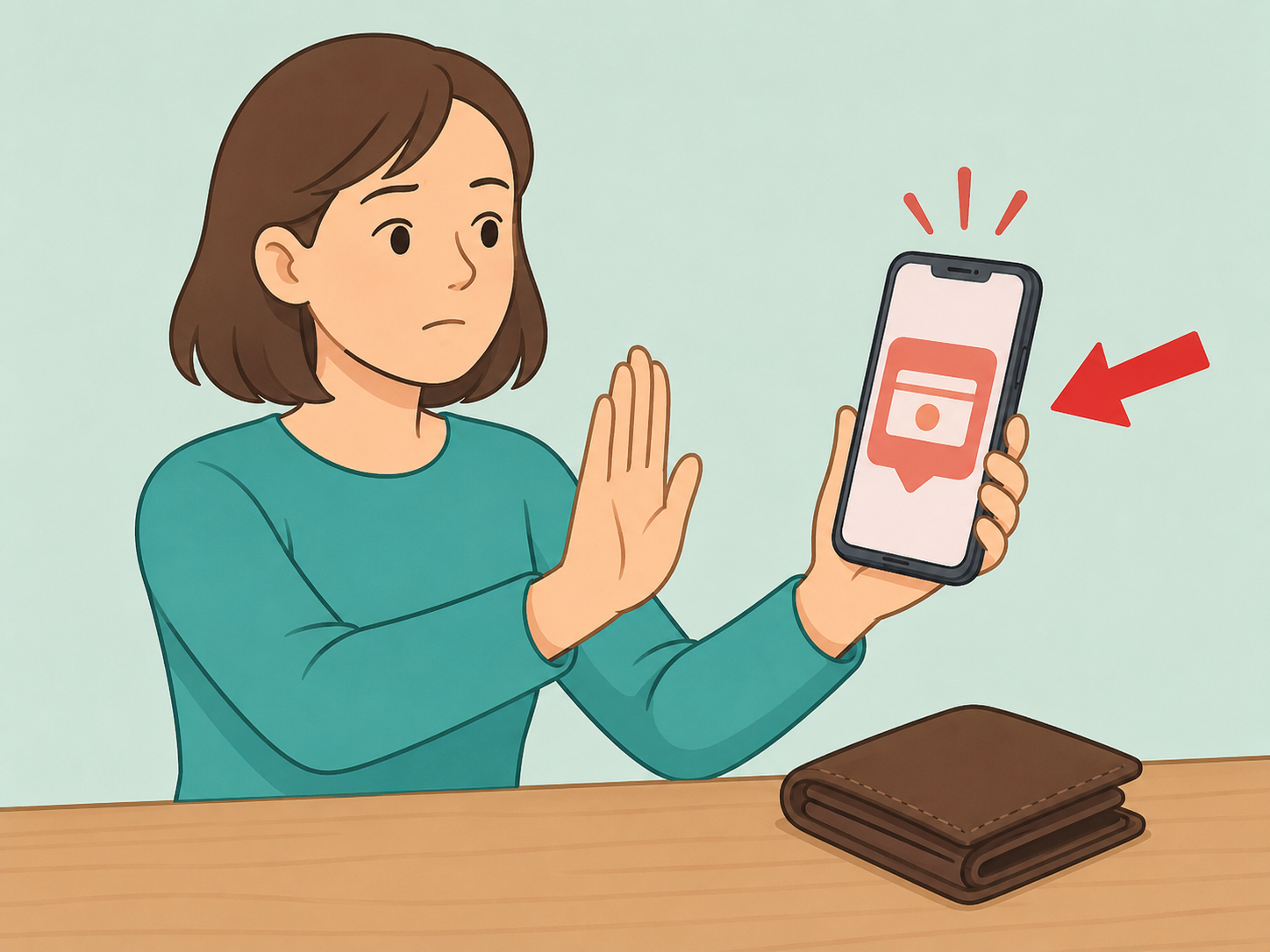
Do not pay debts or fees under pressure
If someone says you must pay a debt, tax, funeral fee, or processing charge immediately, slow down and ask for everything in writing. The Consumer Financial Protection Bureau says survivors should not assume they personally owe a deceased person’s debts and can request written information from collectors. Never send gift cards, cryptocurrency, wire transfers, or personal account details to someone who is pressuring you.
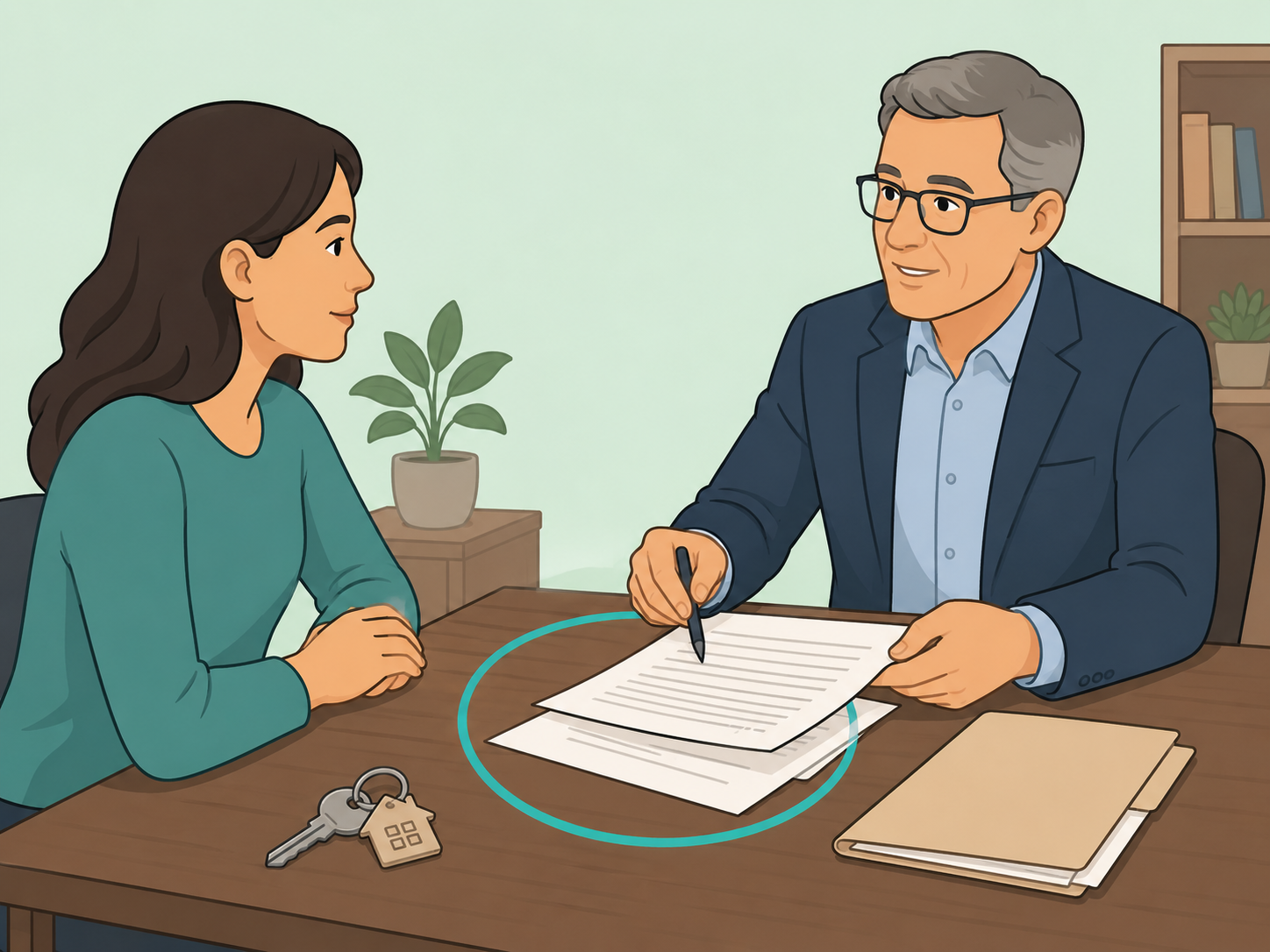
Get local legal advice before major choices
Estate rules depend on state law, property ownership, the will or trust, and your relationship to the person who died. Before you move out of a home, surrender a key, accept a settlement, or sign a release, speak with an estate attorney or legal aid office. If you are helping settle affairs, USAGov notes that certified death certificates are often needed to notify agencies and financial institutions.

Seek support if grief or stress becomes overwhelming
Unexpected inheritance news can stir up grief, resentment, relief, guilt, or confusion, especially when family history is complicated. The National Institute on Aging recommends support from trusted people, grief counselors, support groups, doctors, or community resources. If intense grief keeps you from functioning and does not improve over time, the Mayo Clinic recommends contacting a doctor or mental health professional.
Summary
The bottom line: treat an unexpected inheritance message as both emotionally important and legally sensitive. Verify the source, preserve the evidence, avoid rushed payments or promises, and ask qualified professionals for help before making major decisions.
Frequently Asked Questions
- Should I open a box or letter handed to me after a funeral?
Yes, if it was clearly given to you, but handle it carefully. Open it in a quiet place, keep every envelope and note, and avoid throwing anything away until you know whether it has legal or sentimental value.
- Does a lawyer handing me something mean I inherited money?
Not always. It may be a personal keepsake, a message, estate paperwork, or a notice that you are named in a will or trust. Ask the lawyer to explain their role and provide written confirmation of what the item is.
- What if I think someone married an older person for money?
Write down specific facts, not guesses, and talk to an estate attorney or the proper protective agency if you believe there was exploitation. Sudden changes to accounts, beneficiaries, or control over money can be warning signs, but a professional needs to review the evidence.
- Do I have to pay debts connected to the person who died?
Do not assume you personally owe a debt just because someone died. Ask for written validation and speak with the estate’s personal representative or a lawyer before paying anything from your own money.
- Can I keep living in a home connected to the estate?
It depends on ownership, lease terms, the will or trust, and local law. Do not rely on verbal promises alone; gather documents and ask a local attorney or legal aid office about your rights before moving out or signing anything.
- When should I get emotional support after a funeral?
Reach out whenever grief, shock, or family conflict feels too heavy to manage alone. If grief keeps you from daily routines for a long time, or you have thoughts of harming yourself, contact a doctor, mental health professional, emergency service, or crisis line right away.
References
Reliable references aided in composing and refining this content.
- https://www.americanbar.org/groups/real_property_trust_estate/resources/estate-planning/probate-process
- https://www.americanbar.org/groups/real_property_trust_estate/resources/estate-planning/guidelines-individual-executors-trustees
- https://www.usa.gov/report-a-death
- https://www.consumerfinance.gov/consumer-tools/educator-tools/resources-for-older-adults/financial-security-as-you-age/when-a-loved-one-dies-and-debt-collectors-come-calling
- https://www.consumerfinance.gov/ask-cfpb/how-can-i-tell-if-a-friend-neighbor-or-family-member-is-a-victim-of-financial-exploitation-en-1933
- https://consumer.ftc.gov/consumer-alerts/2023/06/imposters-prey-families-preparing-funeral-loved-one
- https://www.nia.nih.gov/health/grief-and-mourning/coping-grief-and-loss
- https://www.mayoclinic.org/diseases-conditions/complicated-grief/symptoms-causes/syc-20360374