 Pin it
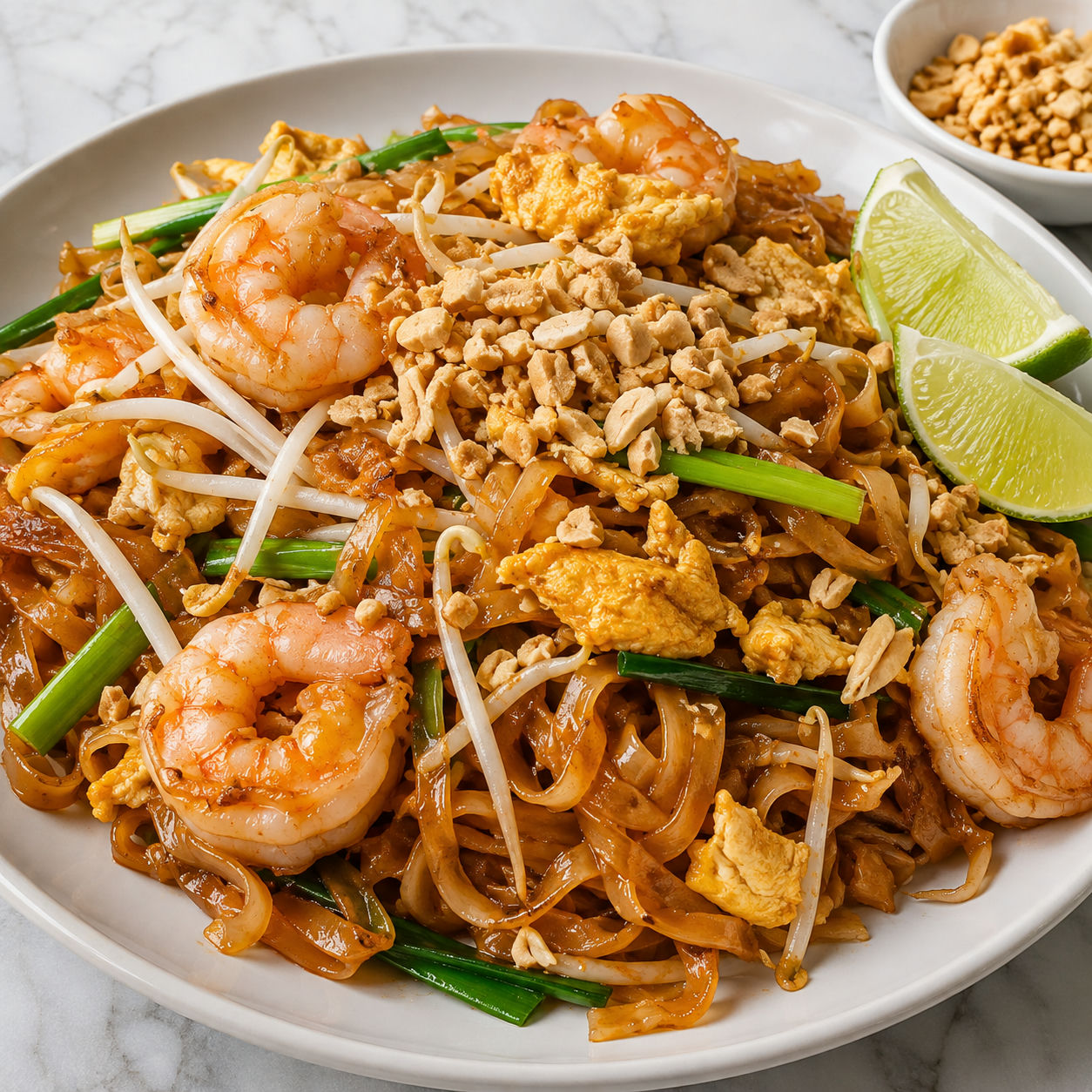
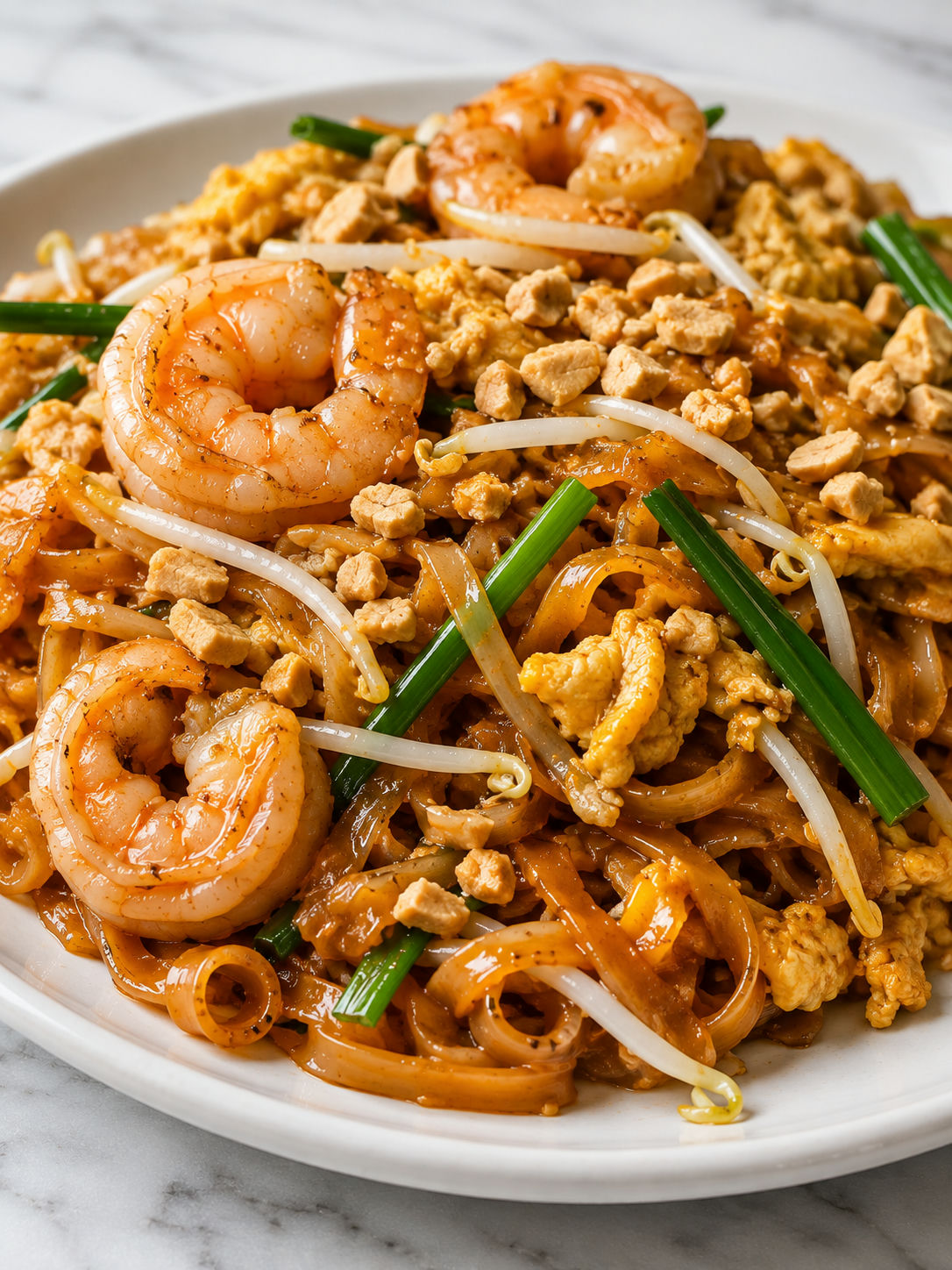
Shrimp Pad Thai is the noodle dinner I make when I want takeout flavor without waiting for a delivery bag to show up lukewarm. The sauce is tangy, salty, and lightly sweet, and the noodles should be chewy rather than soft.
The big difference at home is control. You can keep the shrimp juicy, use real tamarind instead of a sugary shortcut, and add the sprouts right at the end so they still snap when you bite them.
Sweet Tart Pad Thai Lineup
The shortest path to good Shrimp Pad Thai is a strong sauce and noodles that still have some bite. Tamarind paste, fish sauce, peanuts, lime, and fresh sprouts do the heavy lifting.
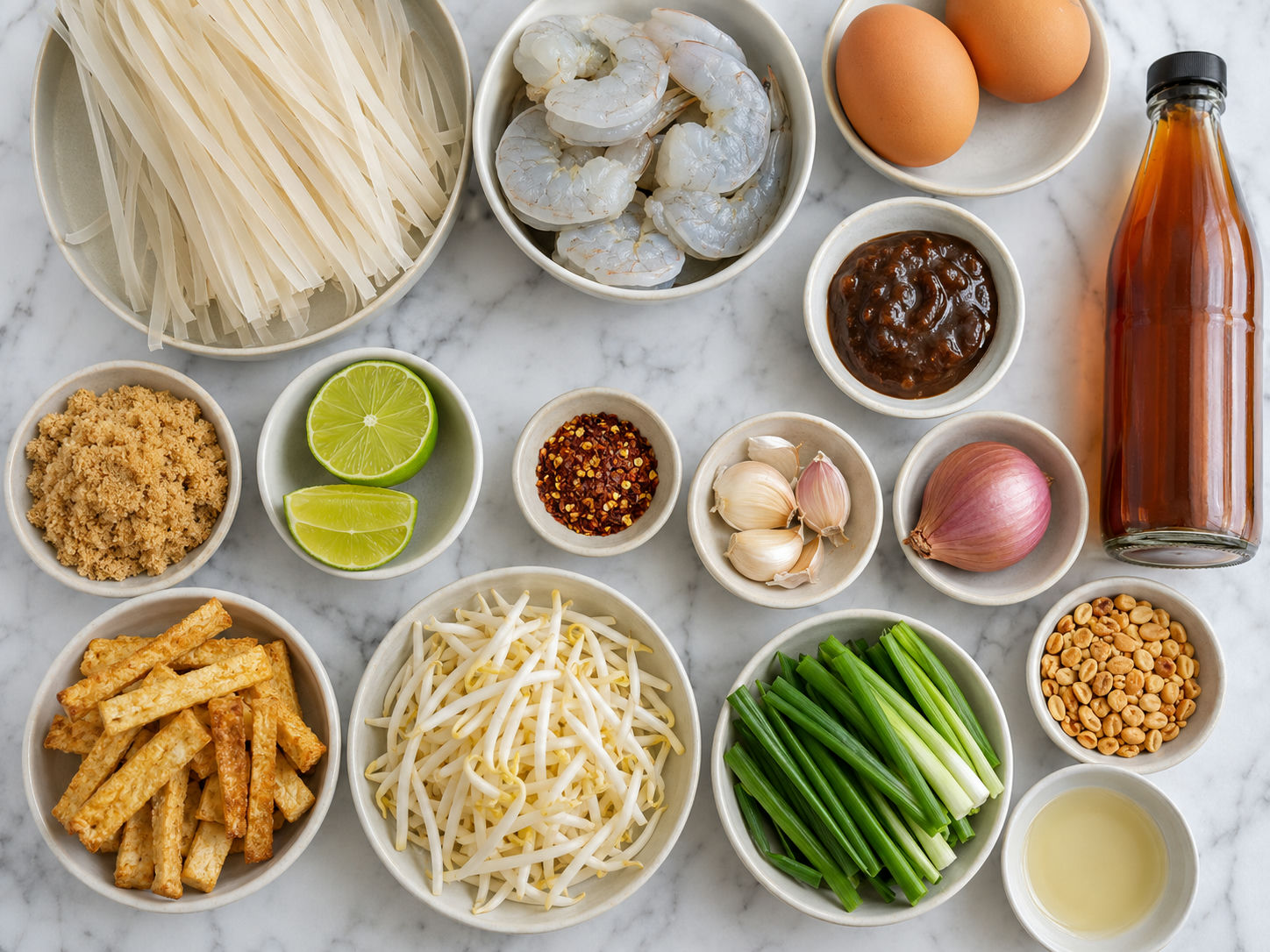
- Flat rice noodles. They soak up the sauce and give pad thai its chewy base.
- Shrimp. Medium or large peeled shrimp cook fast and bring a clean seafood sweetness.
- Tamarind paste. This gives the sauce its sour, fruity backbone without needing ketchup.
- Fish sauce. It seasons the whole pan with salty depth.
- Palm sugar. Brown sugar also works and balances the tamarind.
- Eggs. Soft scrambled pieces make the noodles feel full and satisfying.
- Tofu. Fried or extra-firm tofu adds chew and soaks up sauce.
- Bean sprouts and scallions. They go in late so the dish stays crisp and fresh.
- Peanuts and lime. Crunch and acidity finish the plate.
Fast Wok Moves
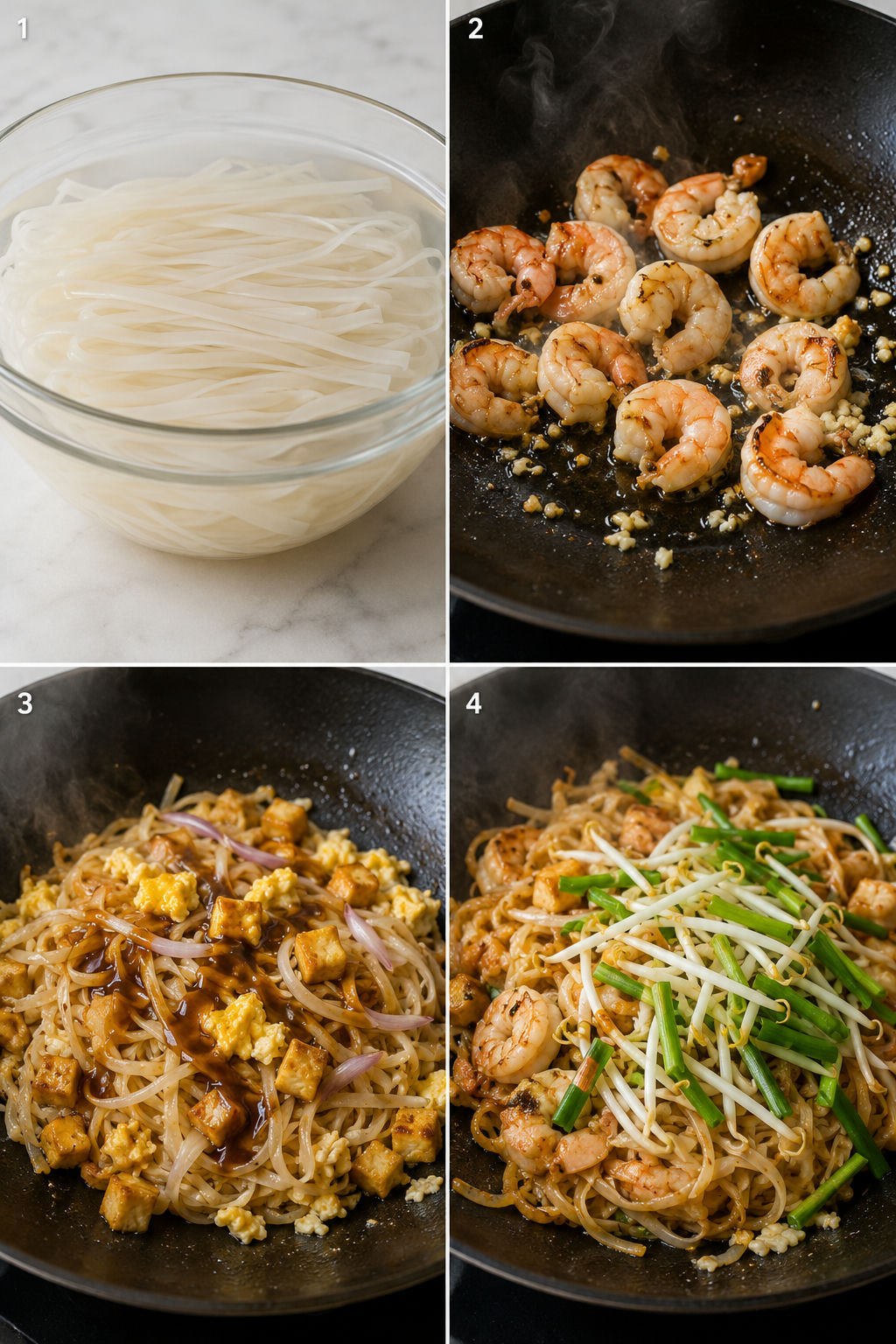
- Soak the noodles. Cover the rice noodles with room-temperature water until they bend easily but still feel firm in the center, about 25-35 minutes.
- Mix the sauce. Whisk tamarind paste, fish sauce, sugar, lime juice, and chili flakes until the sugar dissolves.
- Sear the shrimp. Heat oil in a wide skillet or wok, add the shrimp in one layer, and cook just until pink at the edges. Move them to a plate.
- Cook the egg and aromatics. Scramble the eggs until softly set, then move them aside. Add shallot, garlic, and tofu and stir until fragrant.
- Toss the noodles. Add drained noodles and sauce. Lift and toss until glossy, adding a tablespoon or two of water if the noodles need more time.
- Finish crisp. Return shrimp and egg, then add sprouts and scallions for the last 30 seconds. Serve with peanuts and lime.
Noodles Need a Soak
Rice noodles are the part that can make or break the pan. Boiling them like wheat pasta pushes them past tender before they ever touch the sauce. A room-temperature soak is slower, but it gives you a sturdier noodle that can finish in the skillet. Several modern home versions, including Omnivore's Cookbook, use this same idea because the noodle keeps its spring. If a strand wraps around your finger without snapping, it is ready. If it feels fully soft before cooking, it has gone too far.
Shrimp Pad Thai Sauce Balance
A good sauce should not taste like candy. Pad Thai leans on sour tamarind, salty fish sauce, and sugar in balance, a combination also noted in this Smithsonian background on pad thai. Start with the recipe amount, then taste after the noodles are coated. Add lime if it feels flat, a pinch of sugar if it is too sharp, or a few drops of fish sauce if the noodles taste dull. The sauce tightens as it cooks, so keep the heat lively and toss instead of letting the noodles sit in a puddle.
Cook Shrimp Short
Shrimp are easy to overcook because they keep firming up after they leave the pan. Pull them when they are pink outside and just shy of fully opaque in the thickest part. The final toss finishes them gently. The FDA seafood guide says cooked shrimp should be pearly and opaque. If shrimp dinners are already your thing, keep Garlic Butter Chili Shrimp in your back pocket for another fast skillet meal.
Swaps Without Trouble
No garlic chives? Use scallions. No palm sugar? Light brown sugar is fine. Extra-firm tofu works if fried tofu is hard to find, but press it first so it browns instead of crumbling. Chicken thigh, tofu, or a mix of shrimp and tofu can use the same sauce. For a noodle night with a different flavor profile, try Quick Easy Beef Broccoli Noodles or Japchae. Both scratch the same stir-fry itch without using tamarind.
Leftovers Need Gentle Heat
Pad thai is best right out of the pan, while the peanuts are crunchy and the sprouts are fresh. Leftovers still work if you treat them gently. Refrigerate in a sealed container for up to 3 days. Reheat in a skillet over medium-low heat with a small splash of water. Toss until the noodles loosen, then stop. The microwave is faster, but it can make shrimp bouncy and dry. Add fresh lime, peanuts, and a handful of sprouts after reheating so the bowl tastes awake again.
What To Serve Alongside
Shrimp Pad Thai is a full meal, so keep sides crisp and simple. A cold cucumber salad is exactly the right contrast to the warm, sweet-tangy noodles, and Spicy Korean Cucumber Salad brings that cool crunch. If you want fruit on the table, a bright pineapple or mango salsa also works with the lime and fish sauce flavors. Serve the noodles on a platter with extra sprouts, peanuts, chili flakes, and lime wedges so everyone can adjust their own bowl.
Frequently Asked Questions
- Can I use frozen shrimp for Shrimp Pad Thai?
-
Yes. Thaw frozen shrimp in the fridge overnight or in a sealed bag under cold water, then pat them very dry. Dry shrimp sear quickly and stay sweeter than shrimp added wet to the pan.
- What can I use instead of tamarind paste?
-
Tamarind gives pad thai its sour fruit flavor, so it is worth buying if you can. In a pinch, use lime juice with a little rice vinegar and brown sugar, but the sauce will taste brighter and less deep.
- Why did my rice noodles turn mushy?
-
They were probably soaked too long or cooked too hard after the sauce went in. Soak them until flexible but still firm in the center, then finish them in the pan with sauce and small splashes of water.
- Can I make Shrimp Pad Thai gluten-free?
-
Yes, if you use rice noodles and check the fish sauce, tamarind, and tofu labels. Skip soy sauce and oyster sauce unless the bottles are clearly marked gluten-free.
- How do I store leftover pad thai?
-
Store leftovers in an airtight container in the fridge for up to 3 days. Reheat in a skillet with a splash of water, and add fresh lime and peanuts after warming.
- Can I make this with chicken or tofu?
-
Yes. Thin sliced chicken thigh works well, and extra tofu makes it heartier. Cook either one before the noodles go in, then return it to the pan at the end.