
 Pin it
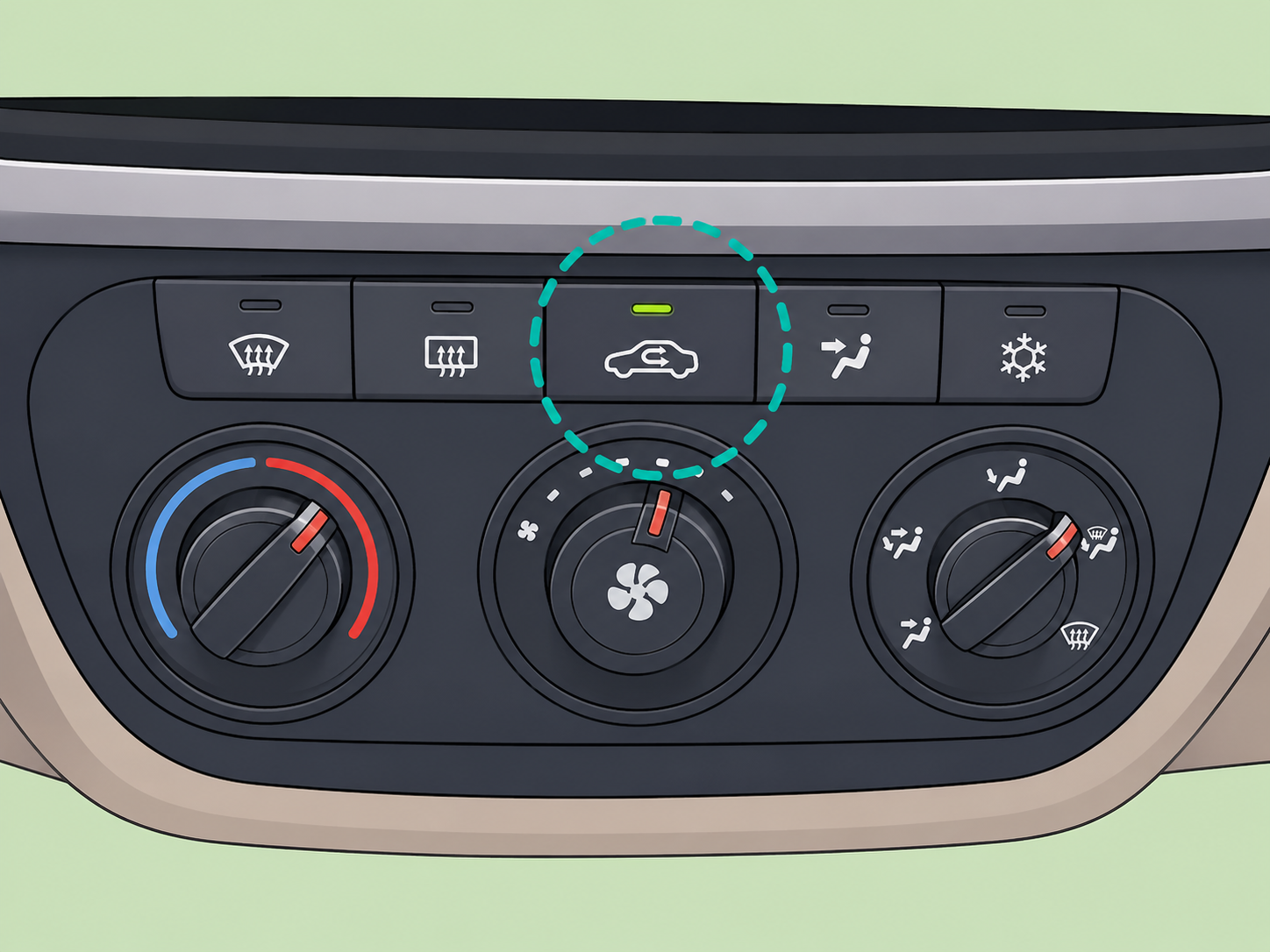
The dashboard button with a looping arrow inside a car is your air recirculation control. It changes whether your climate system pulls in outside air or reuses cabin air. Used at the right time, it can cool the cabin faster and reduce odors; used too long, it can make the air stale and the windows fog.
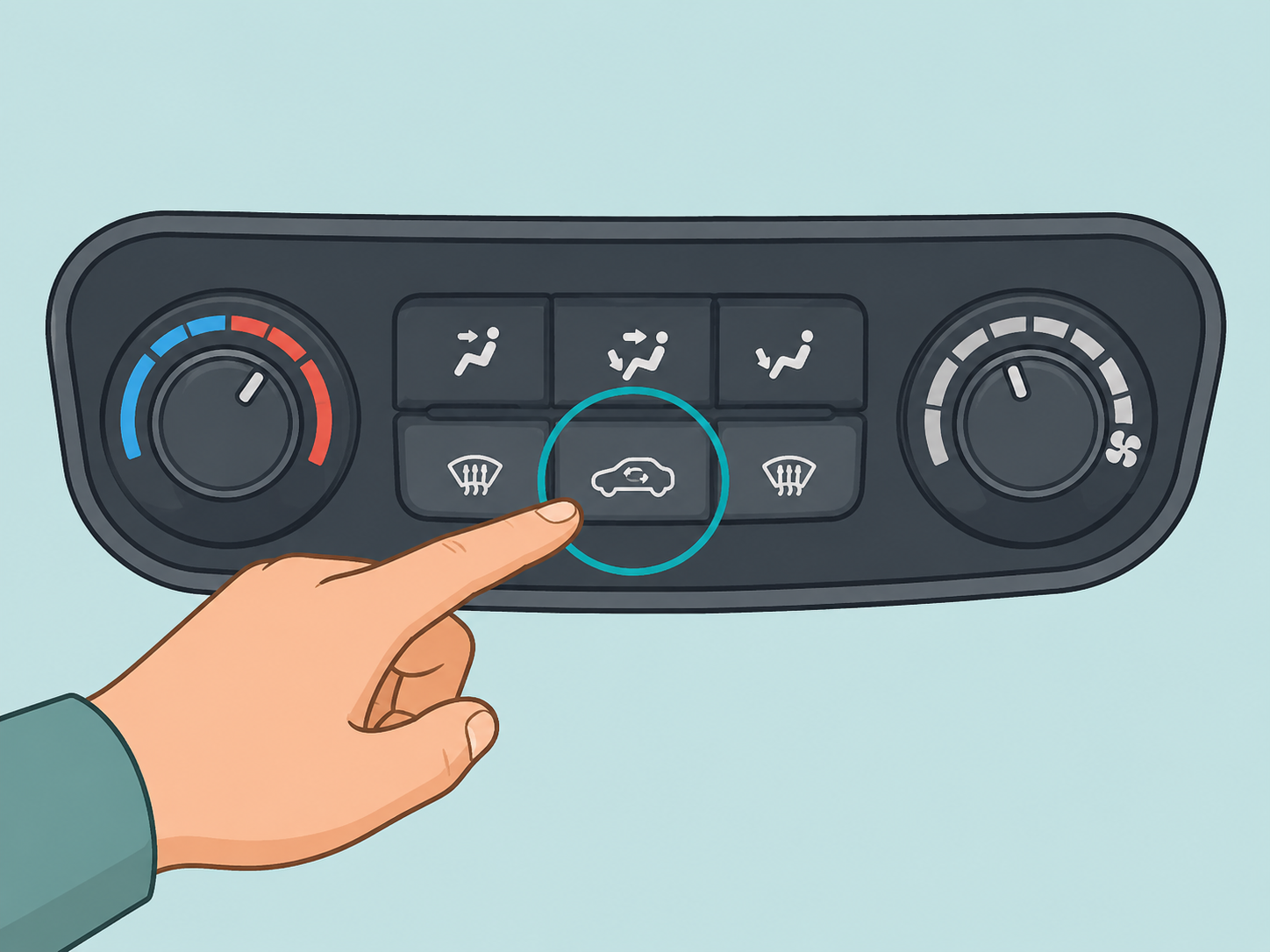
Find the looping-arrow button on the climate controls
Look for a button that shows a curved arrow, often inside the outline of a car. In many vehicles, an indicator light turns on when recirculation is active, and Cars.com explains that this button is commonly labeled Recirc or shown with that symbol.
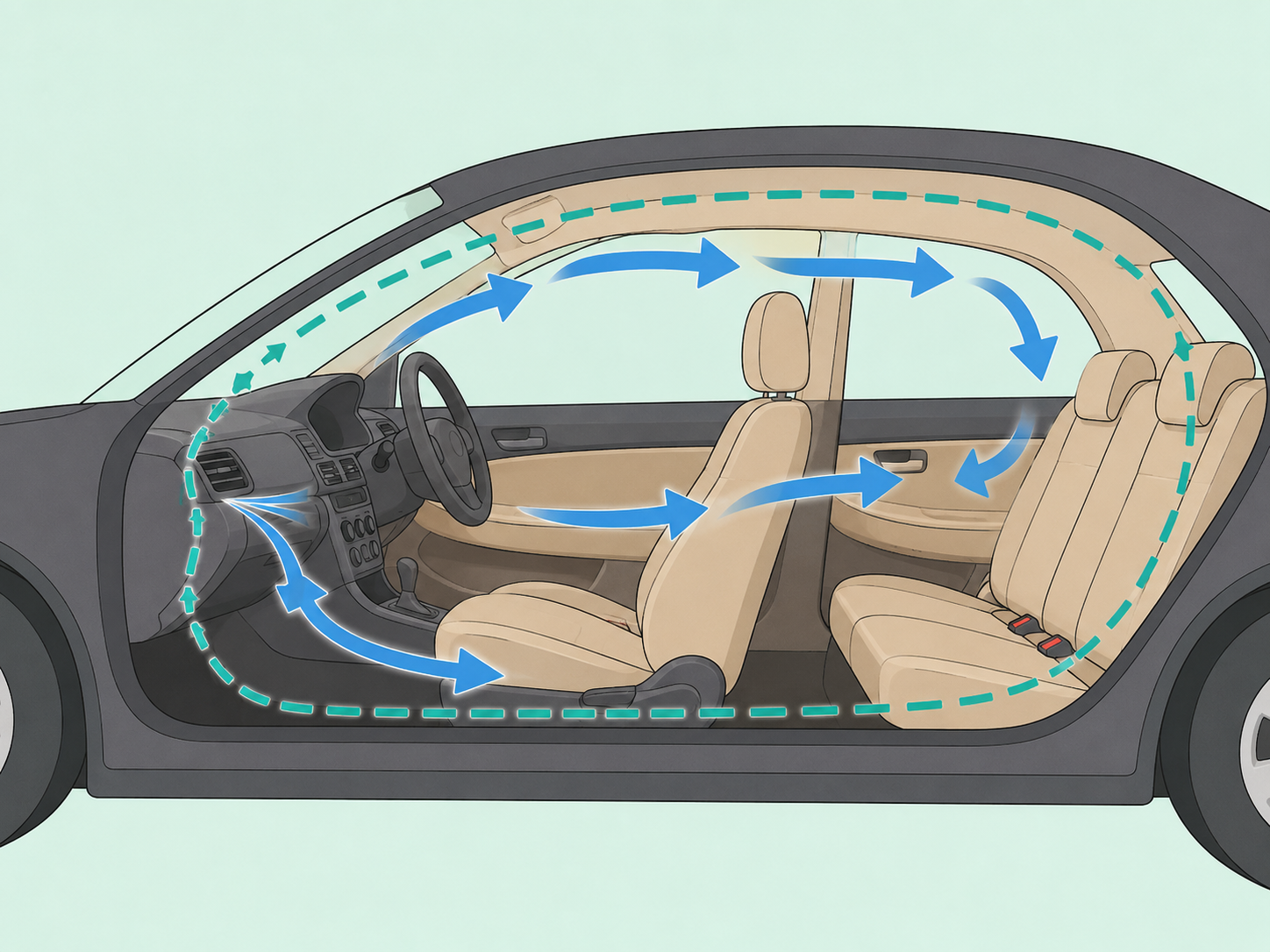
Understand what changes when you press it
When recirculation is off, your climate system pulls outside air into the cabin; when it is on, it reuses air already inside the vehicle. A Mazda owner's manual describes recirculated mode as shutting off outside air and recirculating cabin air, while outside-air mode allows fresh air in for ventilation or defrosting.
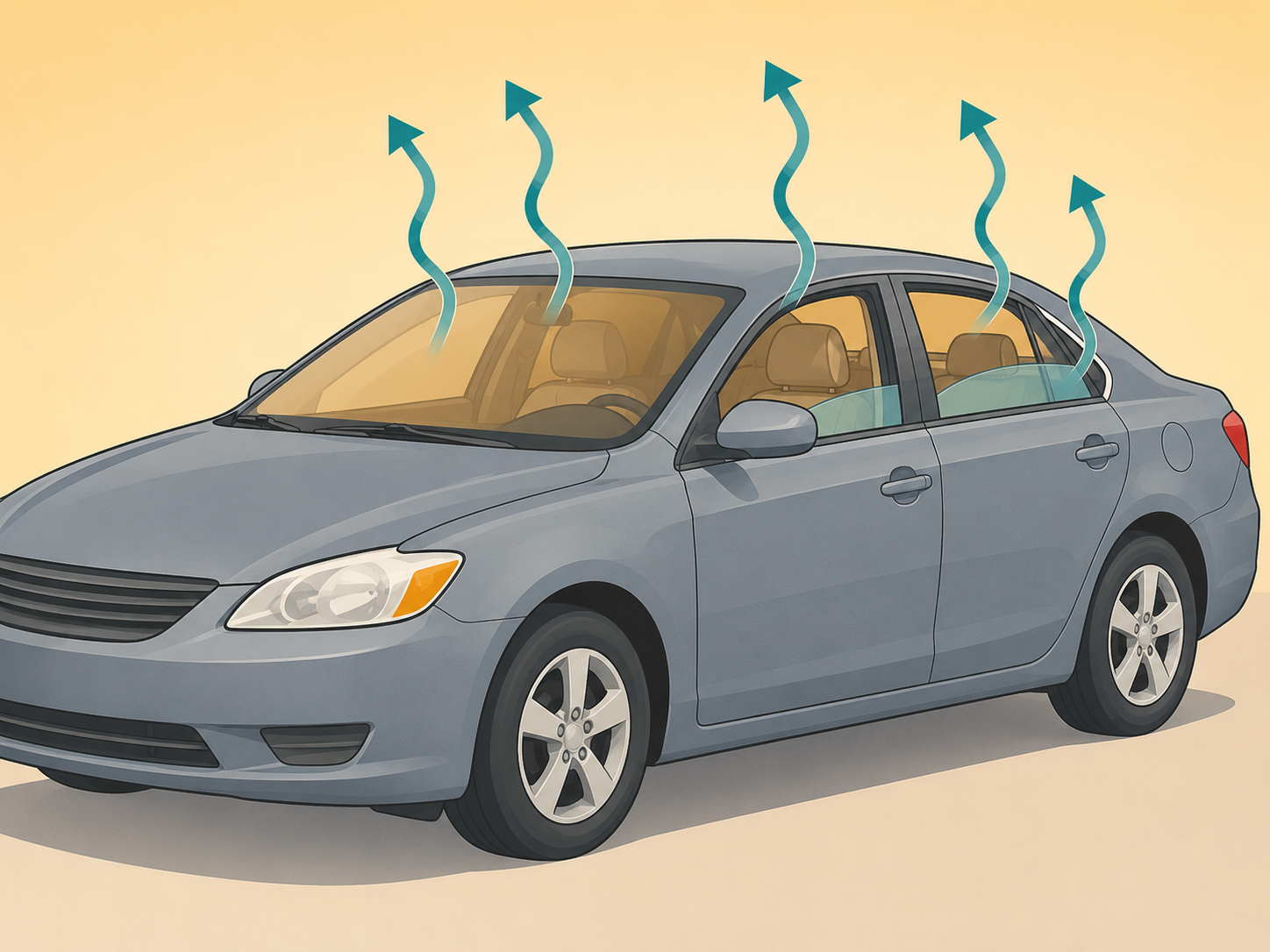
Vent the hot cabin before using A/C
If the car has been parked in the sun, open the windows briefly before asking the A/C to do all the work. The U.S. Department of Energy recommends driving with the windows open for a short time before using air conditioning so trapped hot air can escape and the cabin can cool faster.
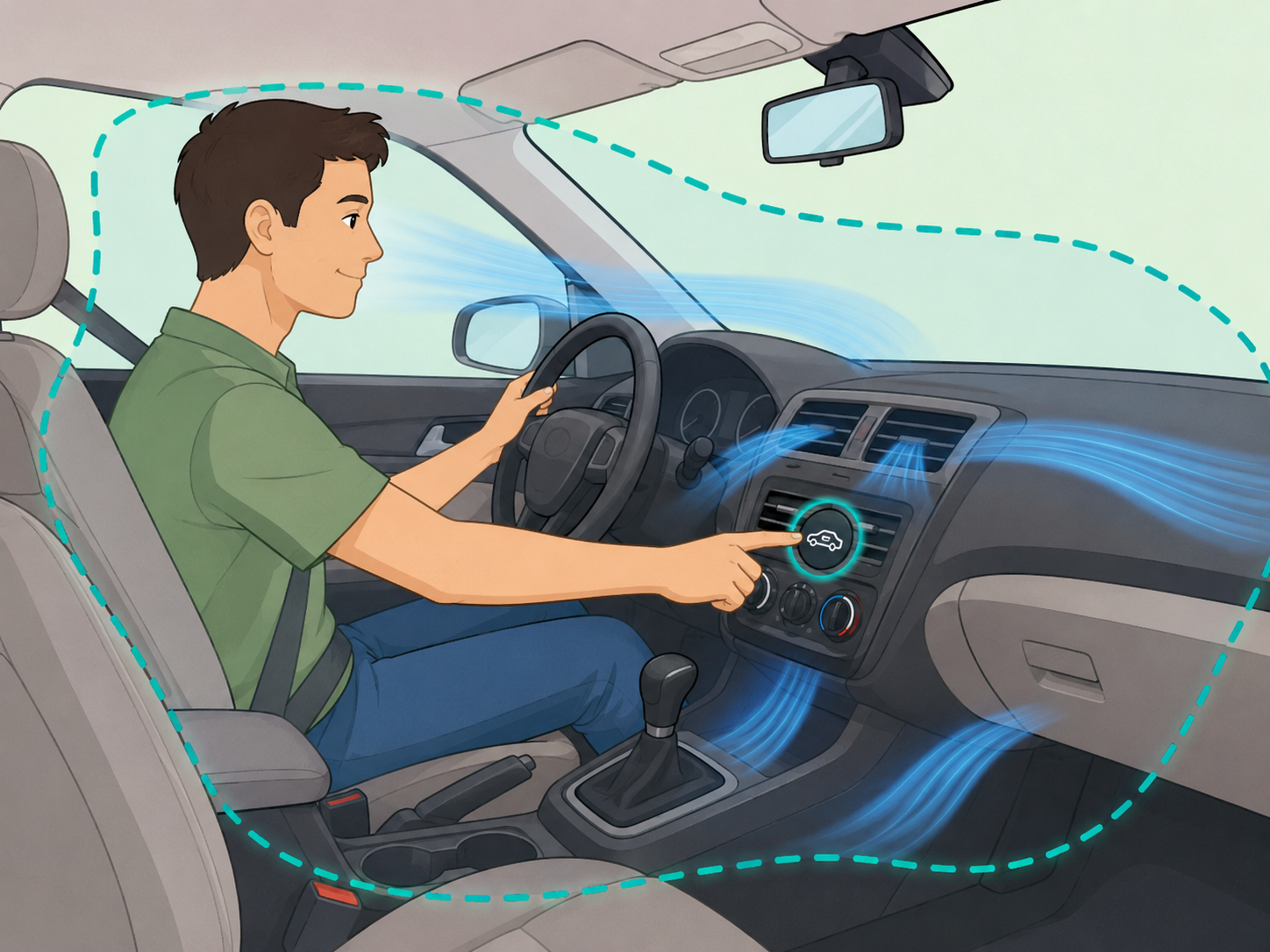
Turn recirculation on for faster cooling
Once the hottest air is out and the A/C is blowing cold, press recirculation to cool the already-chilled cabin air again. Car makers often pair maximum A/C with recirculation, and Cars.com notes that using the recirculation button can help the cabin cool more quickly and efficiently.
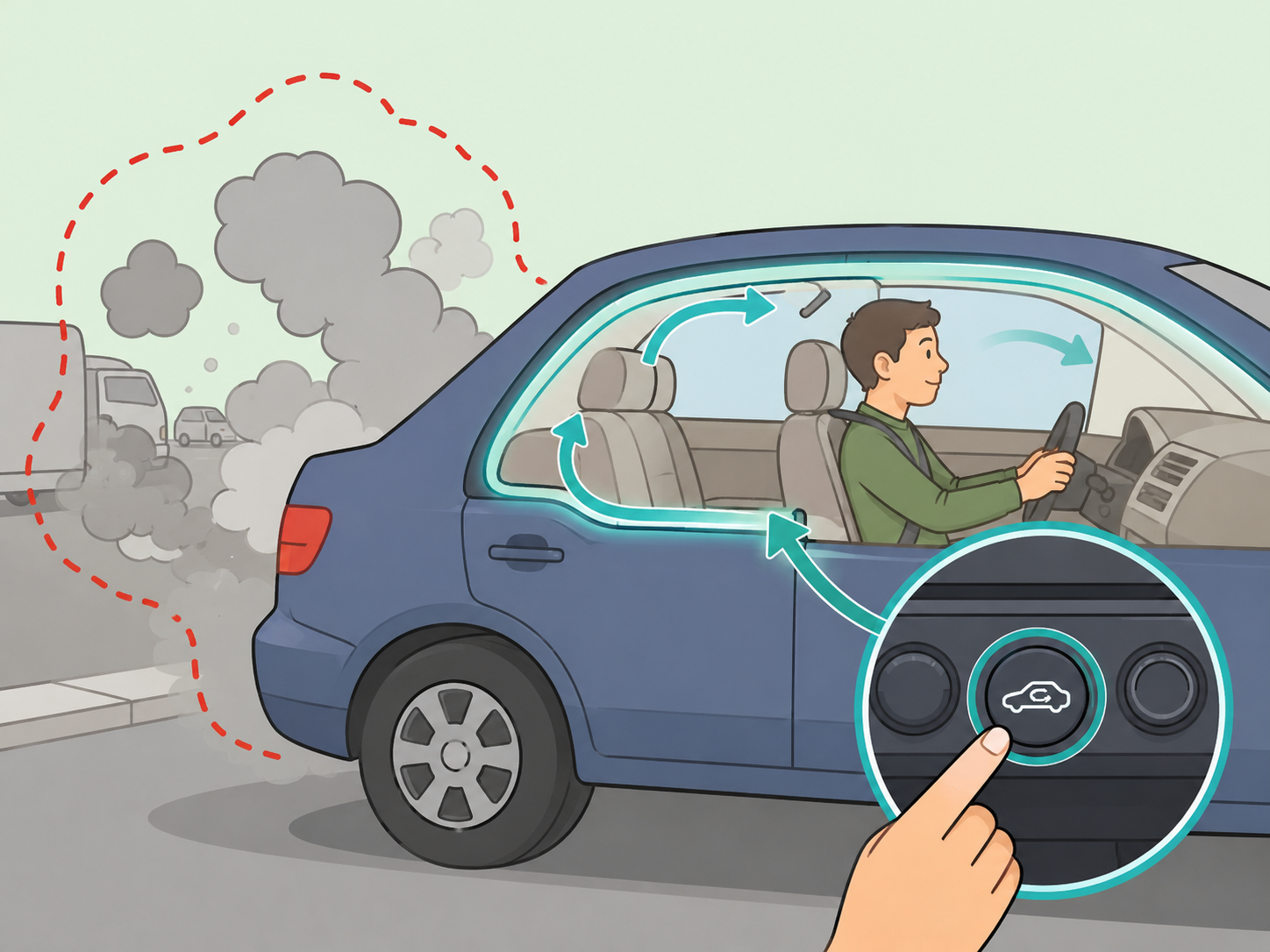
Use it briefly around fumes, dust, or strong odors
Press recirculation before entering a tunnel, heavy traffic, a dusty stretch of road, or an area with strong smells. The Mazda manual specifically lists tunnels, congested traffic, high exhaust areas, and quick cooling as situations where recirculated mode is useful.
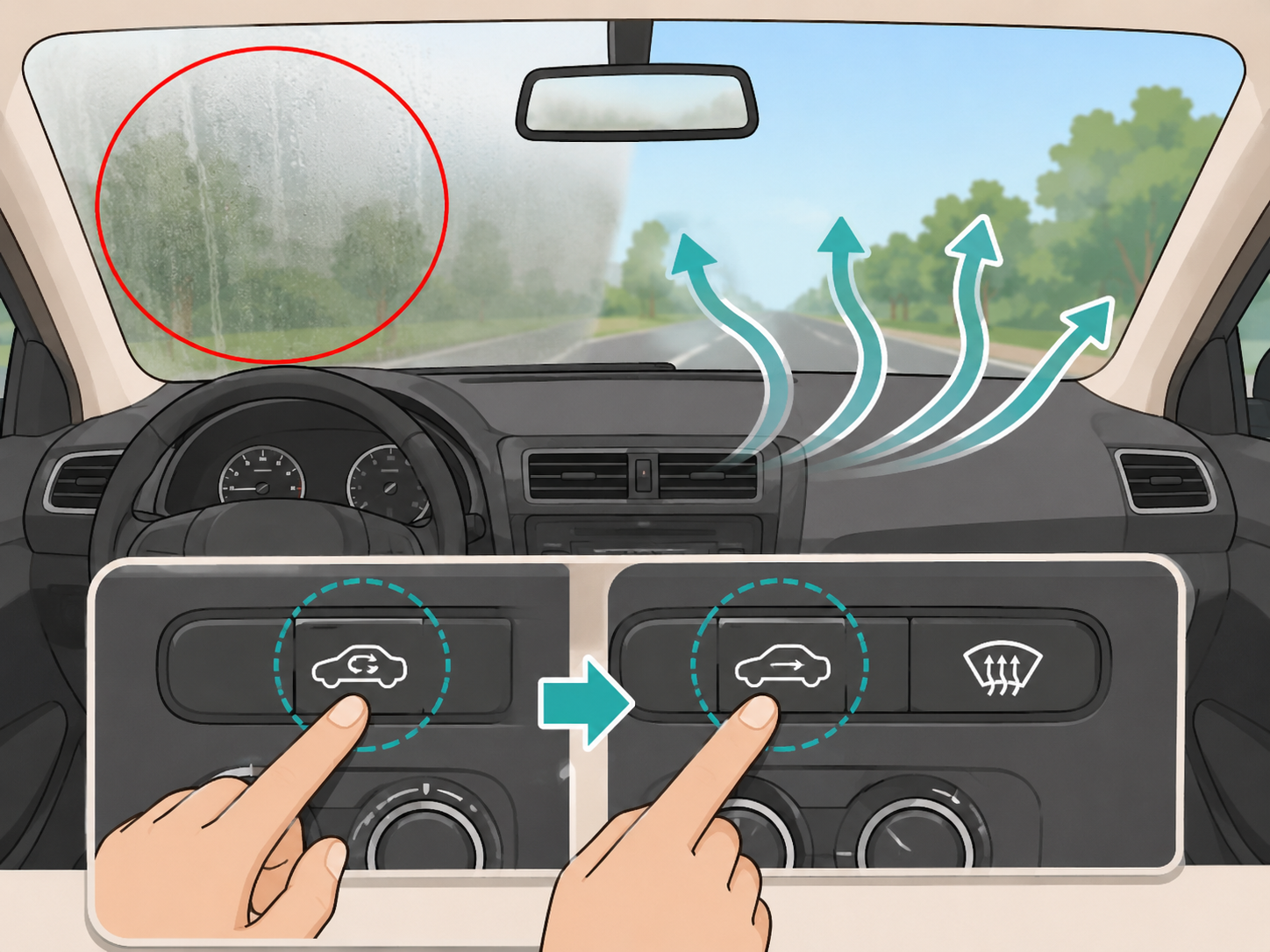
Switch it off when windows start fogging
Turn recirculation off and choose fresh air or defrost if the windshield or side windows fog. Mazda warns that using recirculated air in cold or rainy weather can fog the glass and hamper visibility, while the A/C can help dehumidify cabin air during defogging.

Refresh the cabin air on longer drives
Do not leave recirculation on for an entire long trip unless your vehicle's automatic climate system is managing fresh-air mix for you. An EPA-listed vehicle-cabin air study found that full recirculation can reduce some particle exposure, but carbon dioxide levels can rise in a closed cabin, so fresh-air breaks are a practical habit.
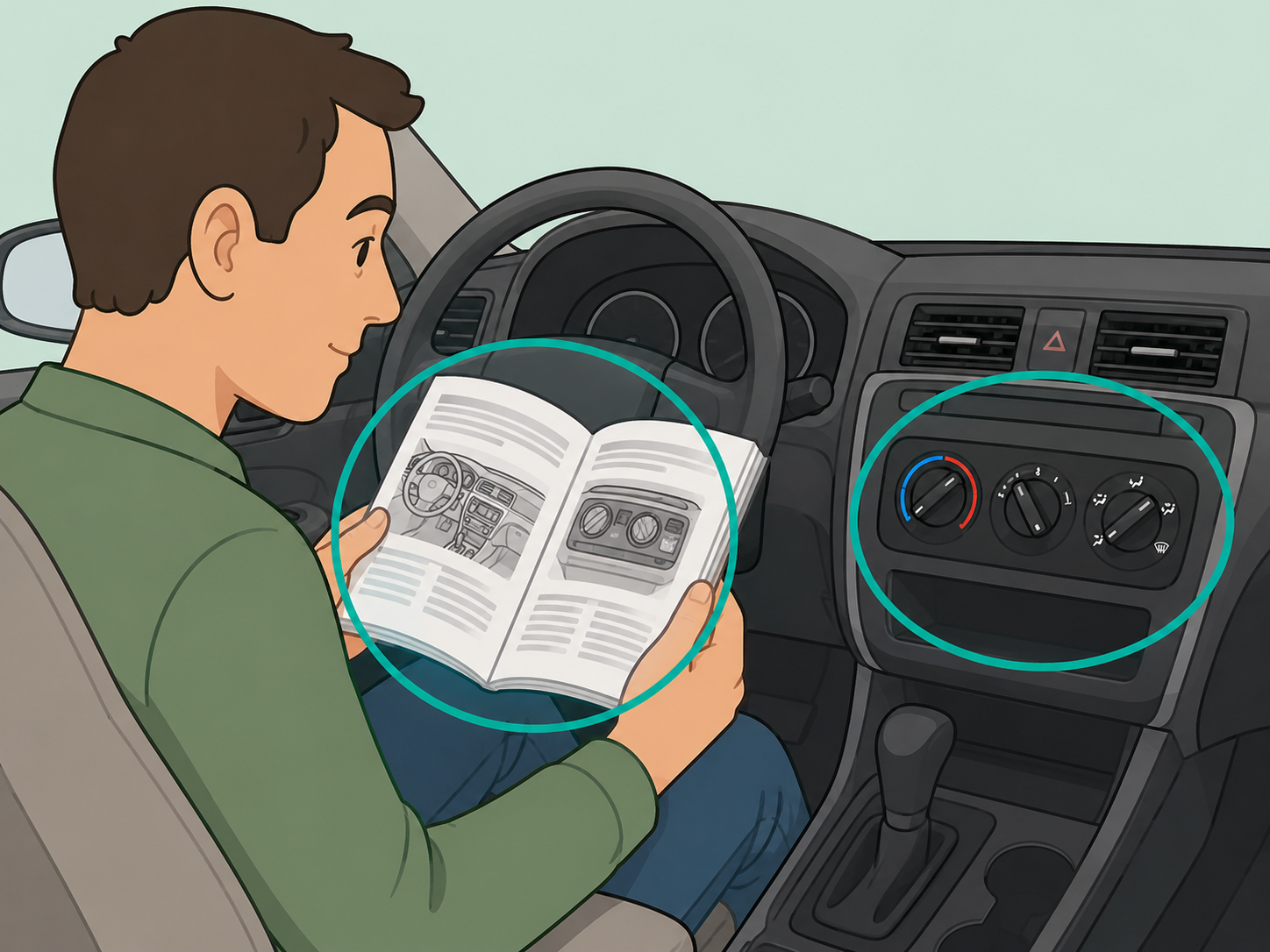
Check your owner's manual if the button behaves differently
Some vehicles automatically disable recirculation during defrost or turn it on during hot-weather cooling. Because climate-control logic varies by make and model, use your owner's manual for the exact meaning of the light, symbol, and automatic settings in your car.
Summary
The bottom line: recirculation is useful, but it is not a set-and-forget button. Use it for quick cooling, tunnels, dust, or traffic fumes, then return to fresh air when visibility, ventilation, or comfort matters more.
Frequently Asked Questions
- What does the recirculation button actually do?
- It closes off most outside air and sends cabin air back through the heating or air-conditioning system. In many cars, the button is marked with a looping arrow inside a car outline.
- Should recirculation be on or off most of the time?
- For normal driving, fresh-air mode is usually the better default because it brings in outside air and helps reduce stale air and moisture buildup. Use recirculation when there is a specific reason, such as faster cooling or brief outside odors.
- Does recirculation make the car cooler?
- Yes, in hot weather it can help the A/C cool faster because the system is re-cooling air that is already inside the cabin. It works best after you have first vented the trapped hot air.
- Can recirculation fog up the windows?
- Yes. In cold, rainy, or humid conditions, recirculating cabin air can trap moisture from passengers' breath and make glass fog more easily.
- Is recirculation useful in traffic?
- It can be useful briefly in tunnels, heavy traffic, dusty roads, or strong outside odors because it reduces the amount of outside air entering the cabin. Switch back afterward so the cabin gets fresh air again.
- Why does my car turn recirculation on or off by itself?
- Automatic climate systems may change recirculation settings to improve cooling efficiency or reduce fogging risk. Check your owner's manual because the exact behavior varies by vehicle.
References
Reliable references aided in composing and refining this content.
- https://www.mazdausa.com/static/manuals/2024/mazda3/contents/66070400.html
- https://www.energy.gov/articles/tips-your-tank-summer-driving-season
- https://hero.epa.gov/reference/3872626
- https://www.cars.com/articles/what-does-the-auto-button-for-my-air-conditioning-actually-do-481558
- https://www.cars.com/articles/be-cool-avoid-these-4-mistakes-youre-making-with-your-a-c-1420702680143