
 Pin it
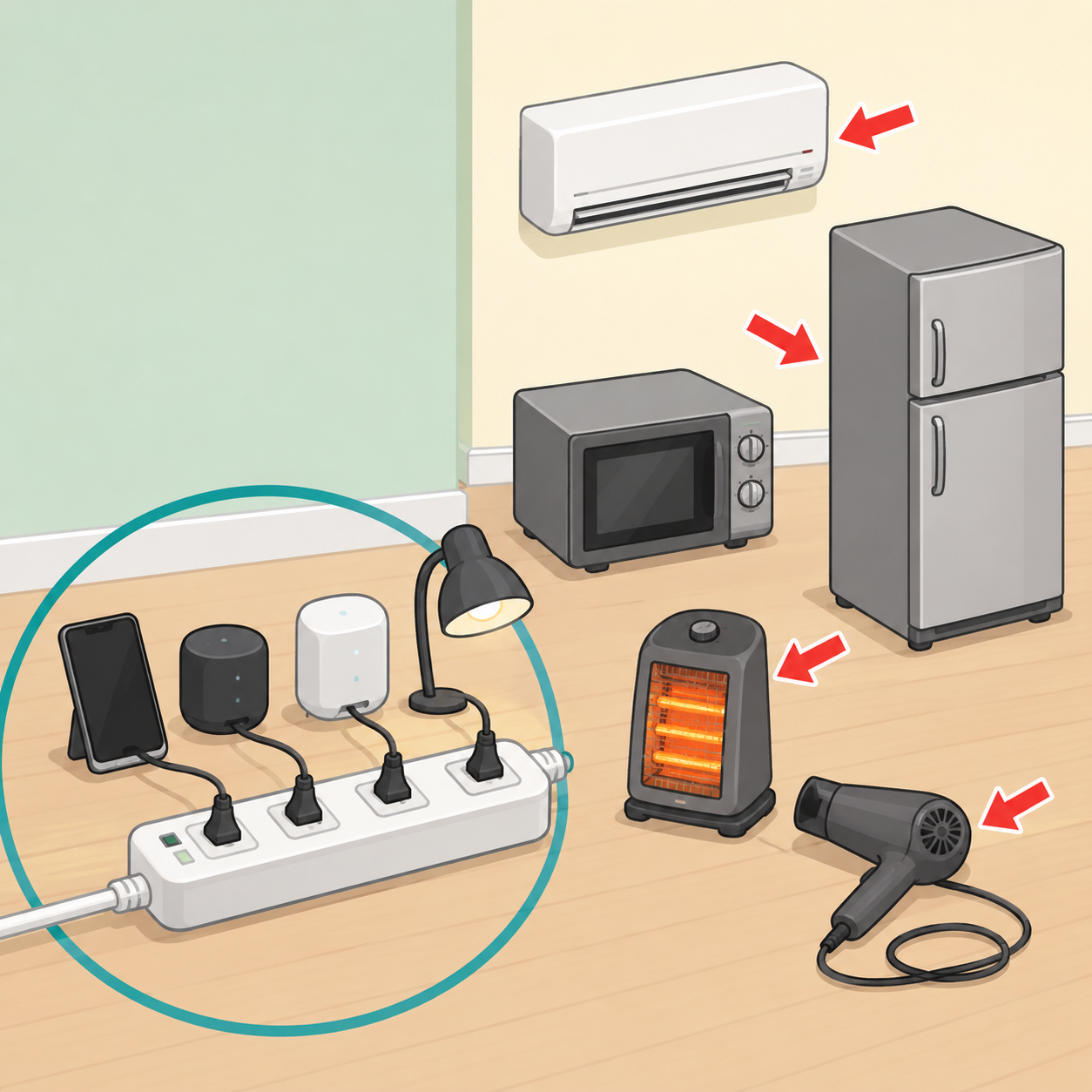
A power strip can make a desk or entertainment area easier to use, but it is not a substitute for a properly placed wall outlet. High-wattage and heat-producing appliances can overload a strip, damage cords, or create a fire risk. This guide explains what not to plug into a power strip and what to do instead.
Check the power strip rating first
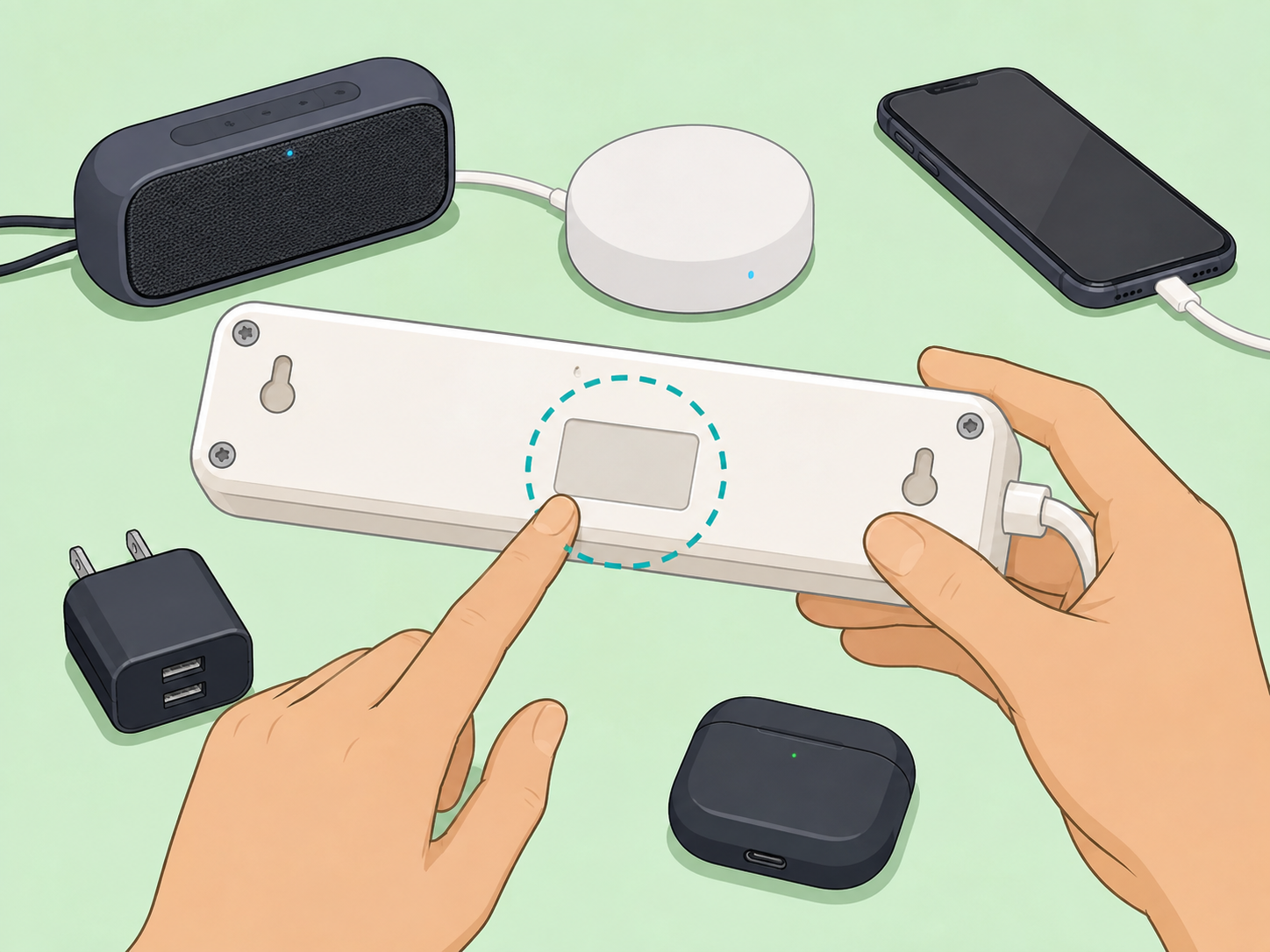
Before plugging anything in, look for the strip's amp or watt rating and a mark from a recognized testing laboratory. UL Solutions explains that the rating tells you how much power the strip can safely supply, while OSHA describes power strips as intended for low-powered loads such as computers and audio/video equipment.
Plug space heaters directly into a wall outlet
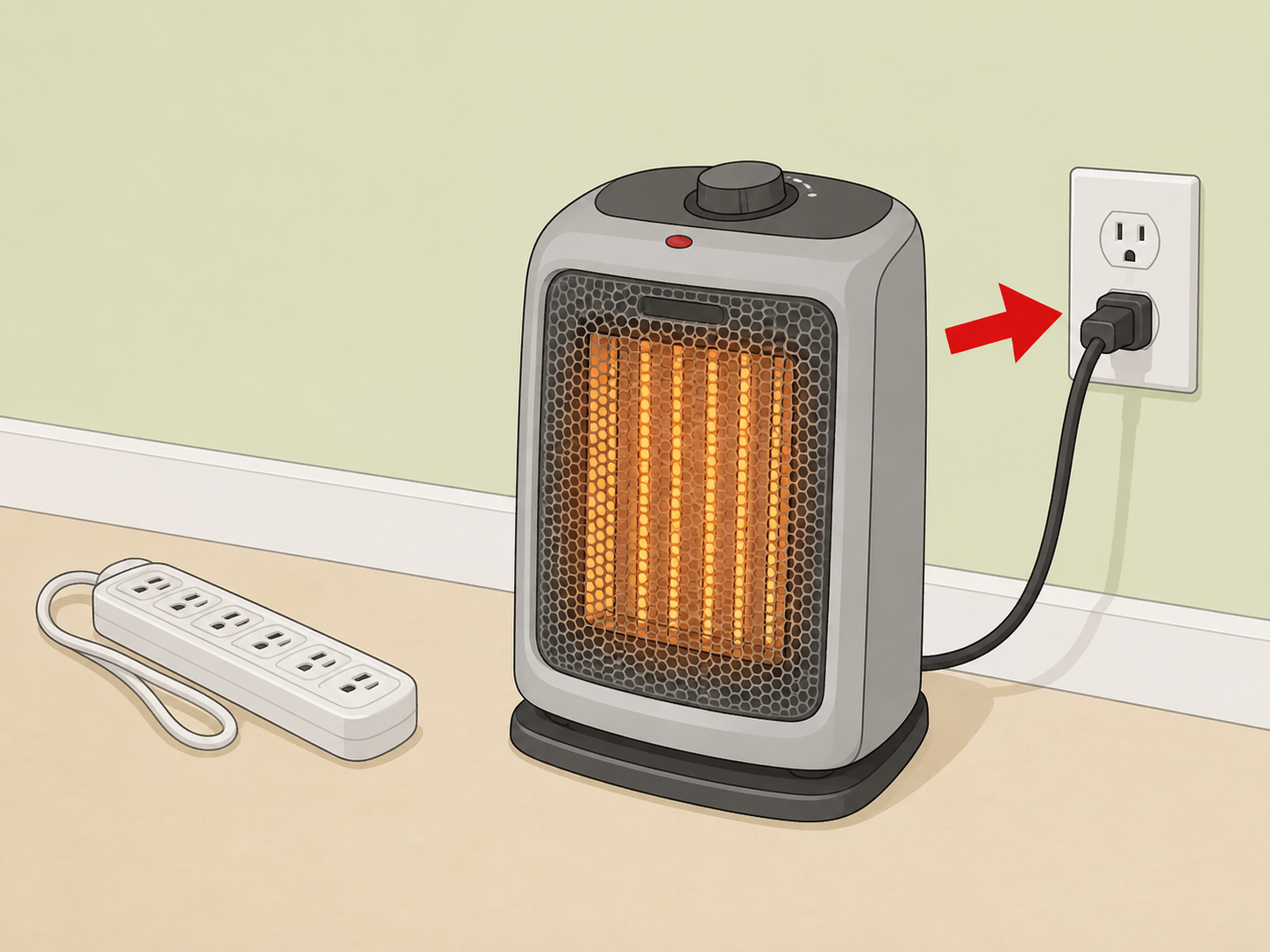
Keep electric space heaters out of power strips, surge protectors, and extension cords. The Consumer Product Safety Commission says space heaters should be plugged directly into a wall outlet and kept away from combustible materials.
Keep major appliances off power strips
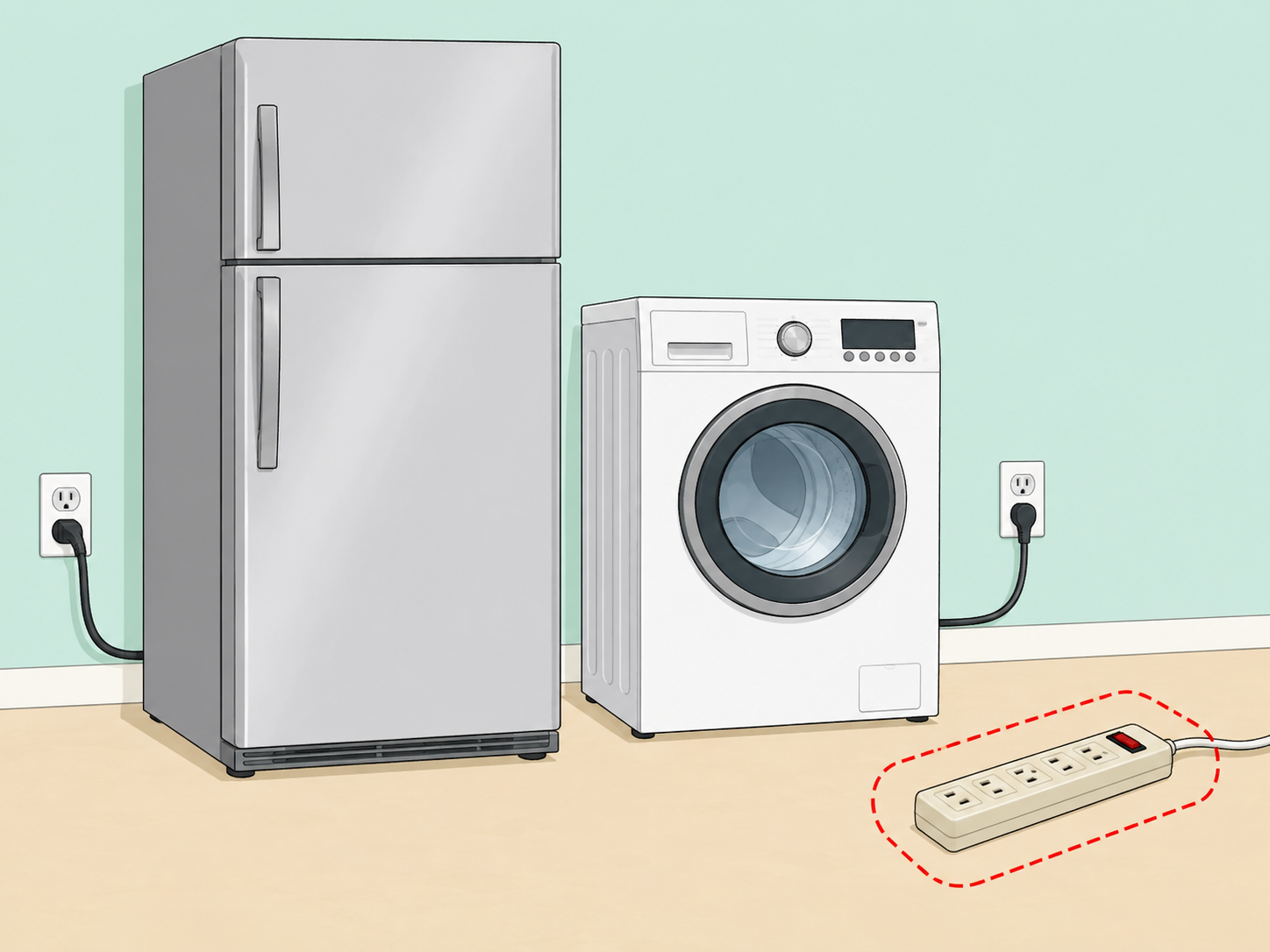
Do not plug refrigerators, freezers, washers, dryers, or stoves into a power strip. The U.S. Fire Administration advises plugging major appliances directly into wall outlets because extension cords can overheat and start a fire.
Avoid microwaves and heat-producing kitchen appliances
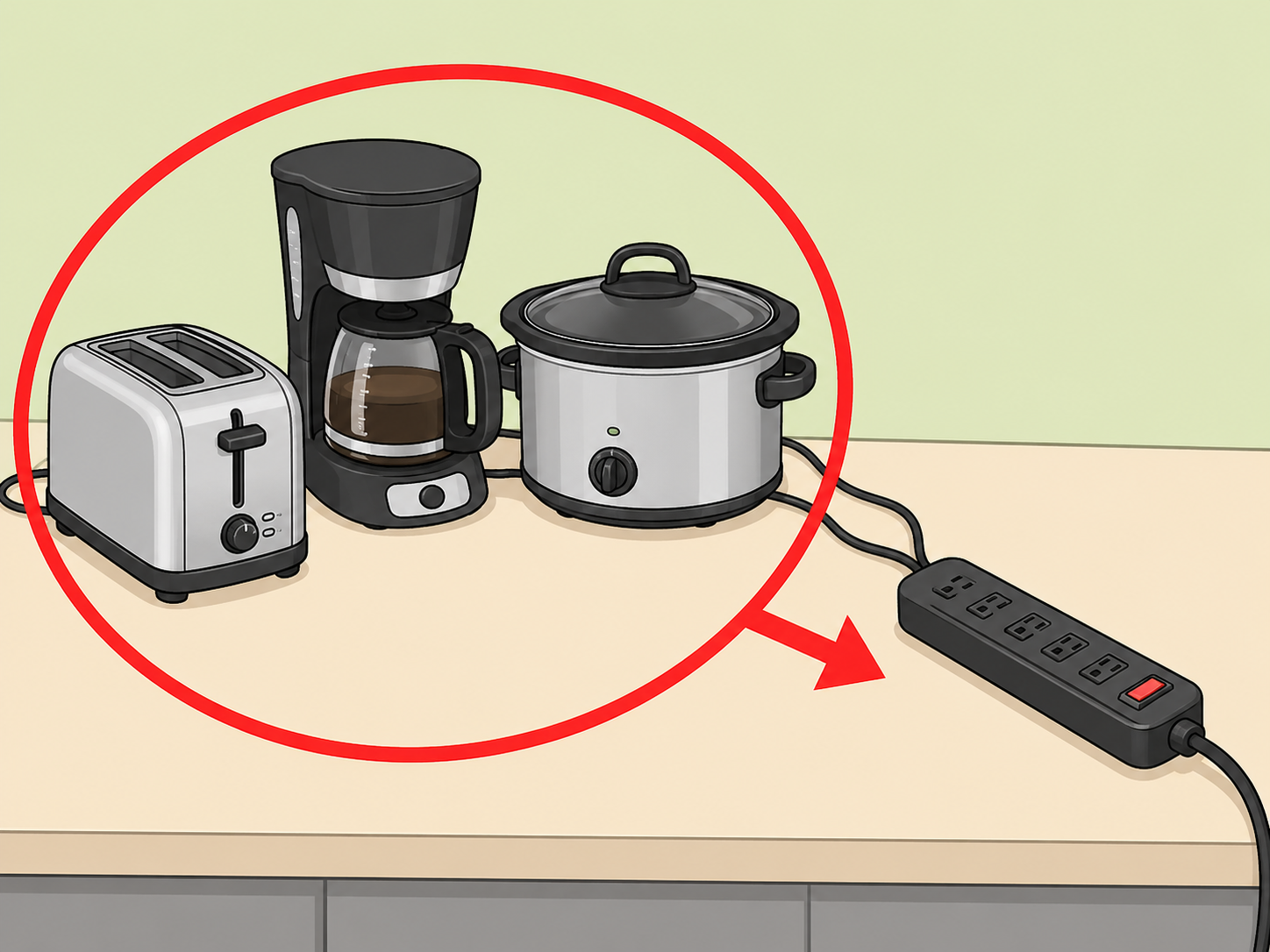
Microwaves, toasters, toaster ovens, air fryers, coffee makers, slow cookers, and electric skillets should not share a power strip. UL Solutions notes that heating products draw much more current, and the Air Force Safety Center recommends using only one heat-producing appliance on a receptacle at a time.
Skip bathroom heat tools on a power strip
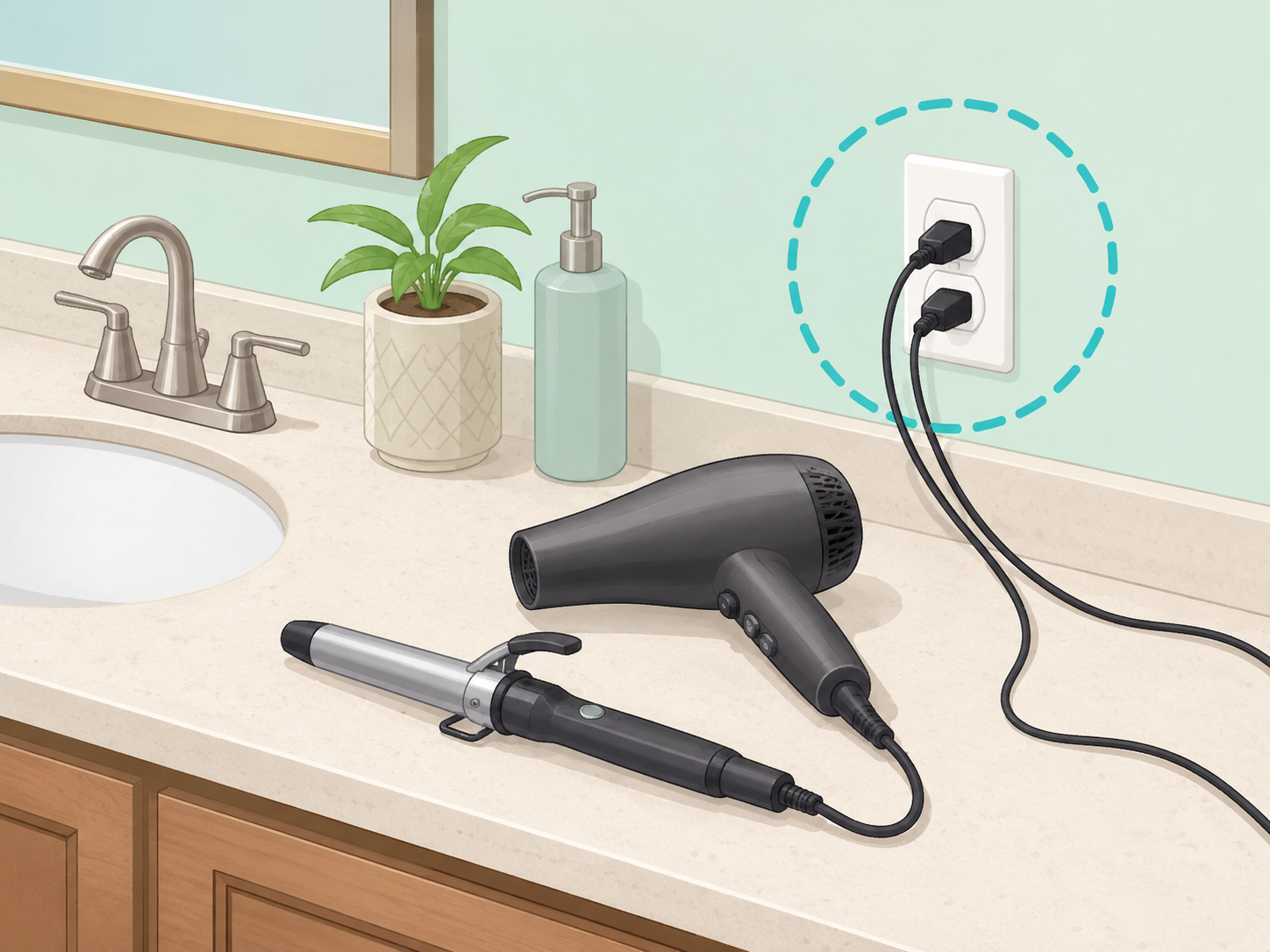
Hair dryers, curling irons, and flat irons are heat-producing tools, so plug them into a proper bathroom outlet instead of a power strip. UL Solutions identifies hair dryers as high-current products, and electrical safety guidance calls for GFCI protection in bathrooms where water and electricity may be close together.
Keep air conditioners on wall outlets
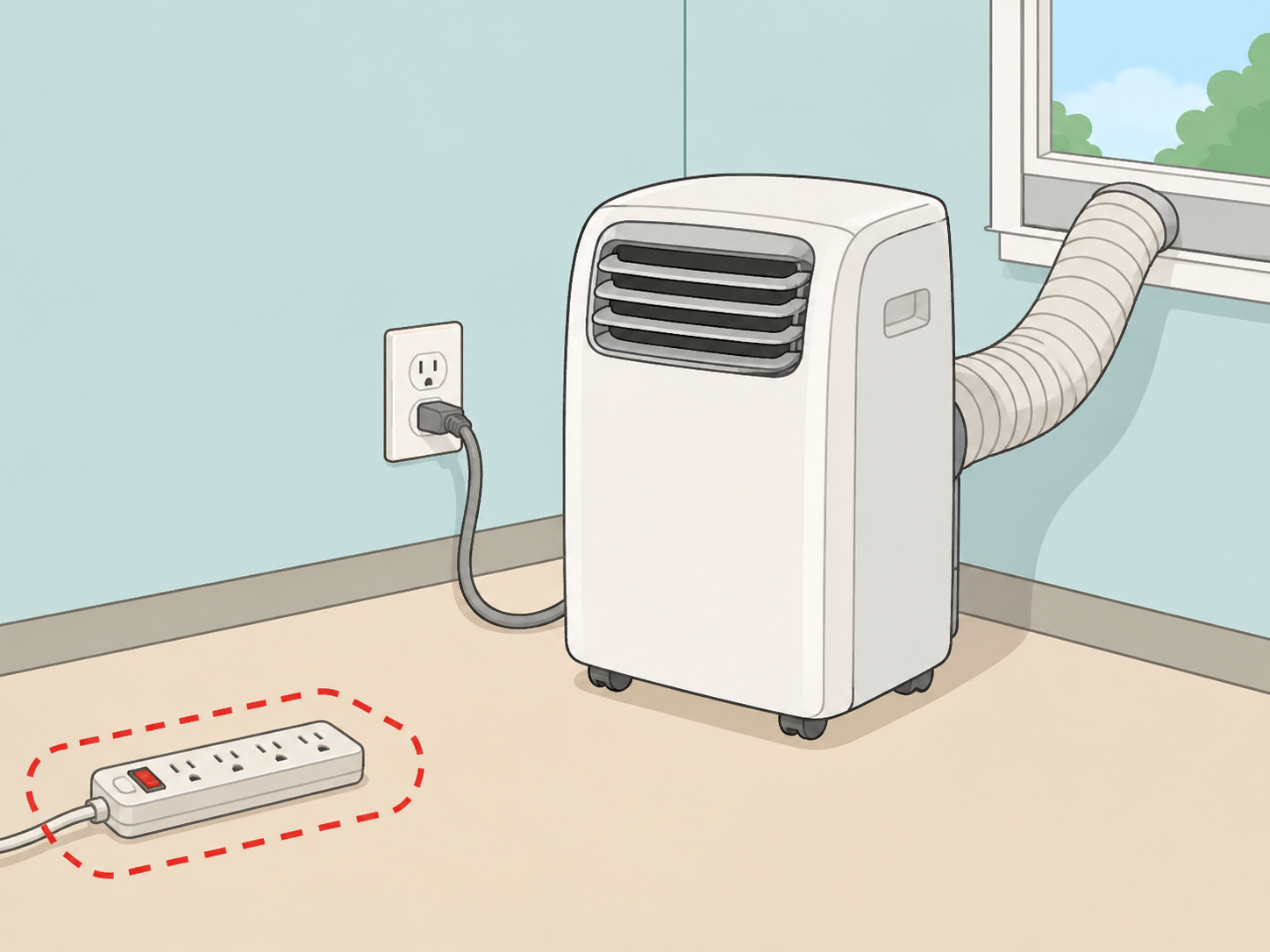
Do not run a window or portable air conditioner from a power strip. The Air Force Safety Center lists air conditioners among major appliances that should be plugged directly into a wall receptacle, without extension cords or plug strips.
Never chain one power strip into another
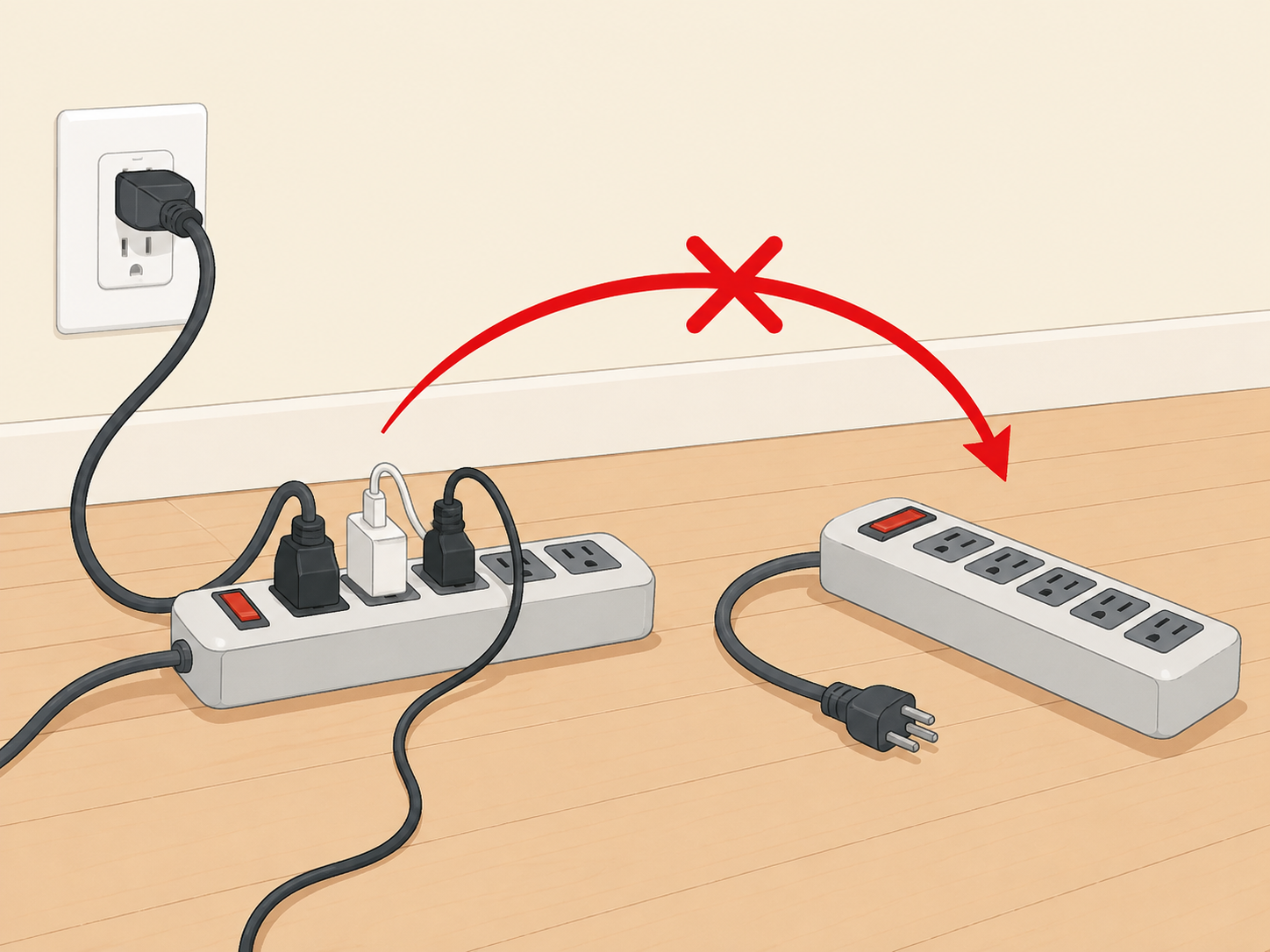
Do not plug a power strip into another power strip, a surge protector, or an extension cord. ESFI says multiple plug outlets must be plugged directly into mounted wall receptacles, and OSHA notes that listed relocatable power taps are not meant to be series-connected.
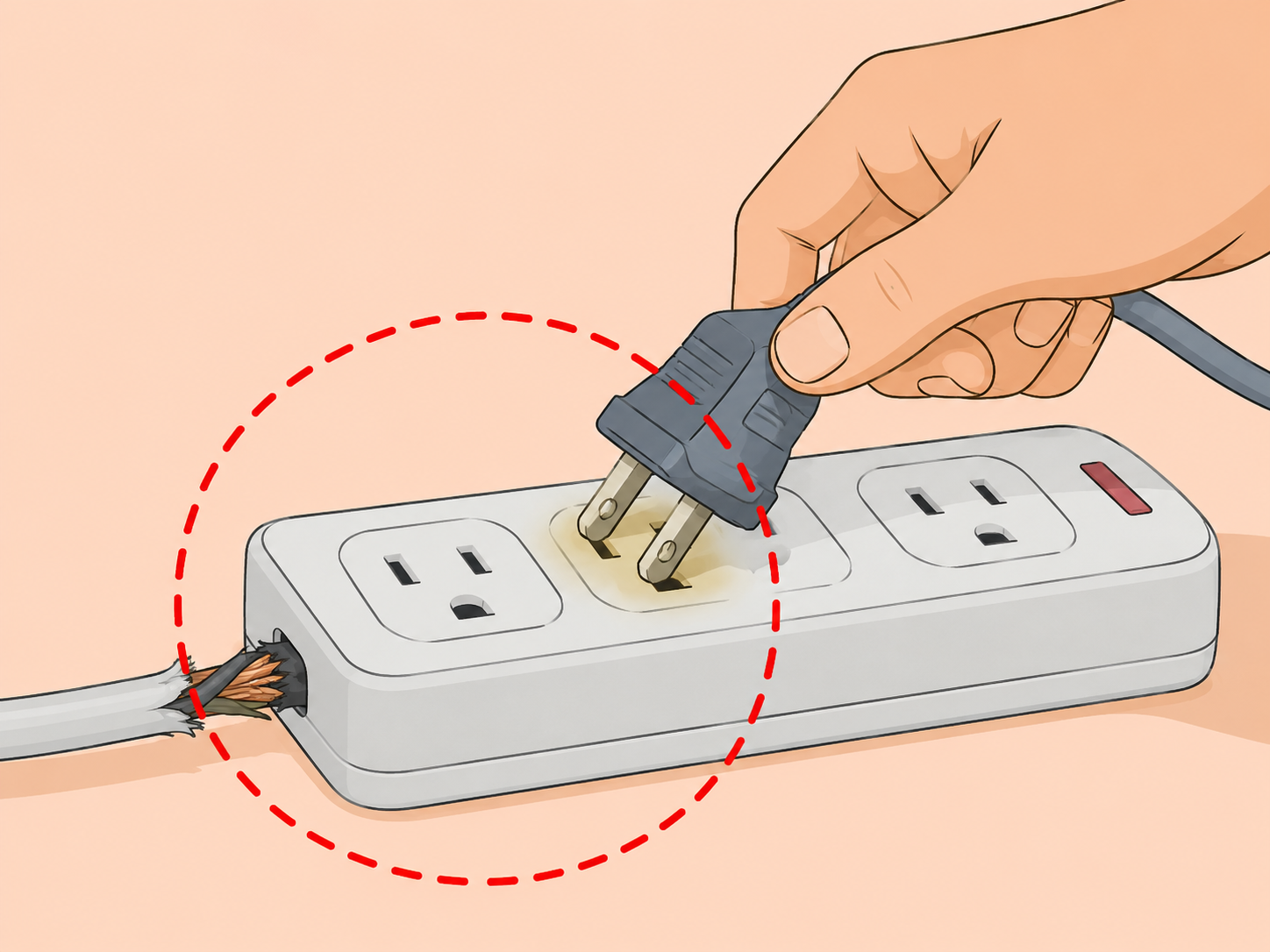
Stop using hot, damaged, or unreliable strips
Throw away a power strip with a frayed cord, cracked case, loose outlets, burn marks, buzzing, or repeated breaker trips. ESFI warns never to use a cord that feels hot or is damaged, and the Air Force Safety Center advises calling a qualified electrician or landlord for sparks, burning smells, warm outlets, or frequent breaker problems.
Summary
The bottom line: keep power strips for low-power electronics, and plug high-wattage, heat-producing, and major appliances directly into suitable wall outlets. If you need several strips to make a room work, add proper outlets instead of stretching the circuit further.
Frequently Asked Questions
- Can I plug a TV or computer into a power strip?
Usually, yes, if the strip is certified, undamaged, and rated for the total load. OSHA describes power strips as suited to low-powered loads such as computers and audio/video equipment.
- Is a surge protector safer than a basic power strip?
A surge protector can help protect electronics from voltage spikes, but it does not make high-wattage appliances safe to use on a strip. UL Solutions notes that you still need to stay within the device's electrical rating.
- Can I use a heavy-duty power strip for a refrigerator?
No. The U.S. Fire Administration says major appliances such as refrigerators should be plugged directly into wall outlets.
- Why are space heaters so risky on power strips?
Space heaters draw a lot of power for long periods, which can overheat a strip or cord. CPSC specifically says to plug electric space heaters directly into a wall outlet, never into an extension cord or power strip.
- What should I do if I do not have enough outlets?
Do not solve the problem by chaining strips together. ESFI recommends having additional outlets installed where you need them if you rely heavily on extension cords or temporary strips.
- What are warning signs that a power strip is overloaded?
Stop using the strip if it feels hot, smells like burning, sparks, buzzes, has a damaged cord, or repeatedly trips the breaker. The Air Force Safety Center lists breaker problems, burning smells, sparks, warm outlets, and flickering lights as reasons to contact a qualified electrician or landlord.
References
Reliable references aided in composing and refining this content.
- https://www.usfa.fema.gov/prevention/home-fires/prevent-fires/appliance-and-electrical
- https://www.cpsc.gov/Newsroom/News-Releases/2026/Keep-Warm-and-Safe-This-Winter-Tips-for-Using-Generators-Furnaces-and-Space-Heaters
- https://www.esfi.org/extension-cord-safety-tips
- https://www.ul.com/insights/guide-power-strips-and-surge-protectors
- https://www.osha.gov/laws-regs/standardinterpretations/2002-11-18
- https://www.safety.af.mil/News/Article-Display/Article/4419717/power-with-caution-practice-electrical-safety