
 Pin it
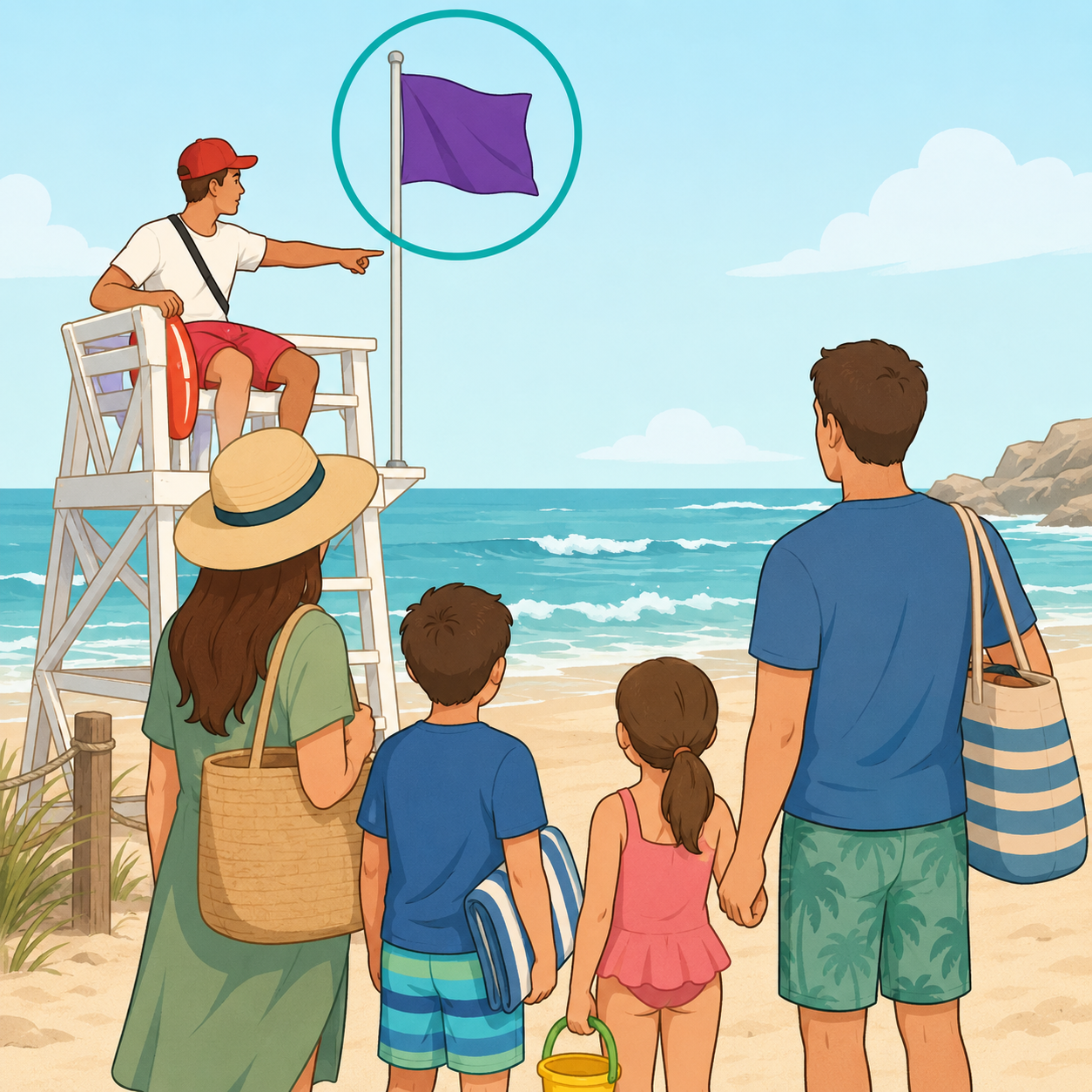
A purple flag at the beach is easy to overlook, but it is there for a reason. In common U.S. beach flag systems, it warns swimmers that potentially dangerous marine life may be in the water. This guide explains what the flag means, what to do before you swim, and when to get medical help after a sting or bite.
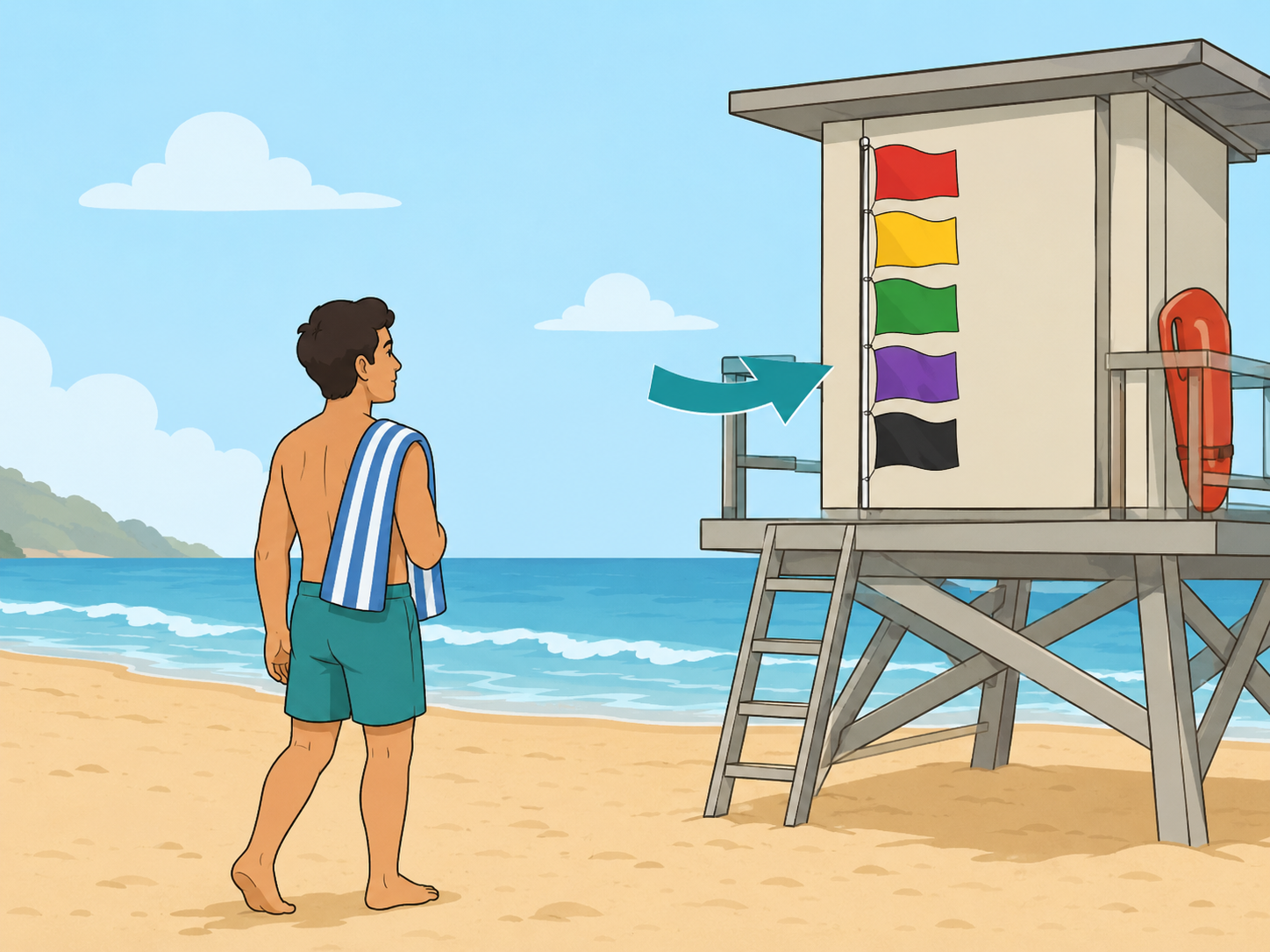
Look for warning flags before you enter the water
Check the lifeguard stand, beach entrance, or posted sign as soon as you arrive. The National Weather Service recommends checking beach conditions before swimming, especially when surf, currents, or local hazards can change during the day.
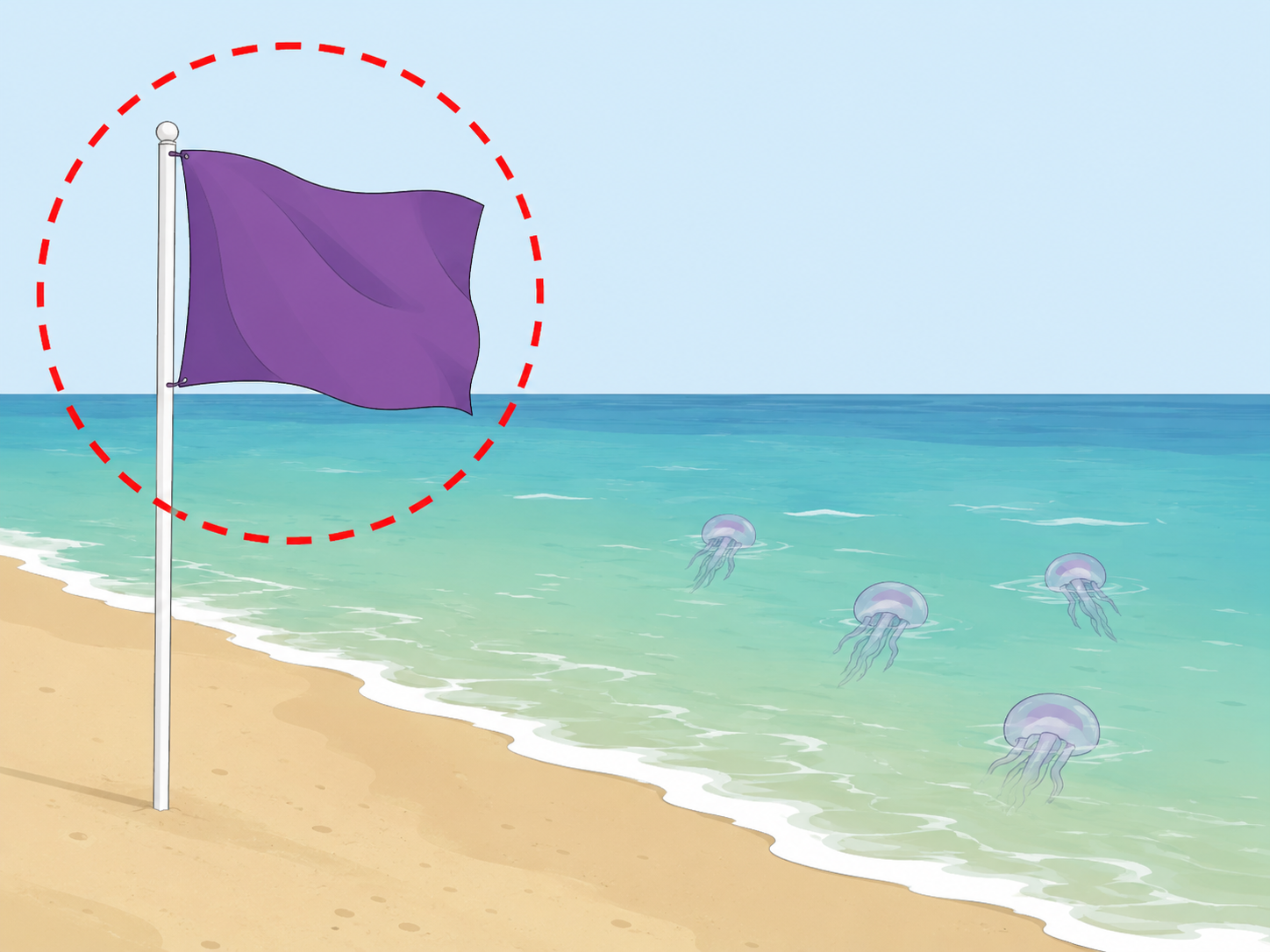
Treat the purple flag as a dangerous marine-life warning
In many beach flag systems, a purple flag means dangerous marine life may be present. Florida's Beach Warning Flag Program and National Weather Service beach-safety materials both use purple to warn about marine-life hazards, but you should still read the local sign for that beach.
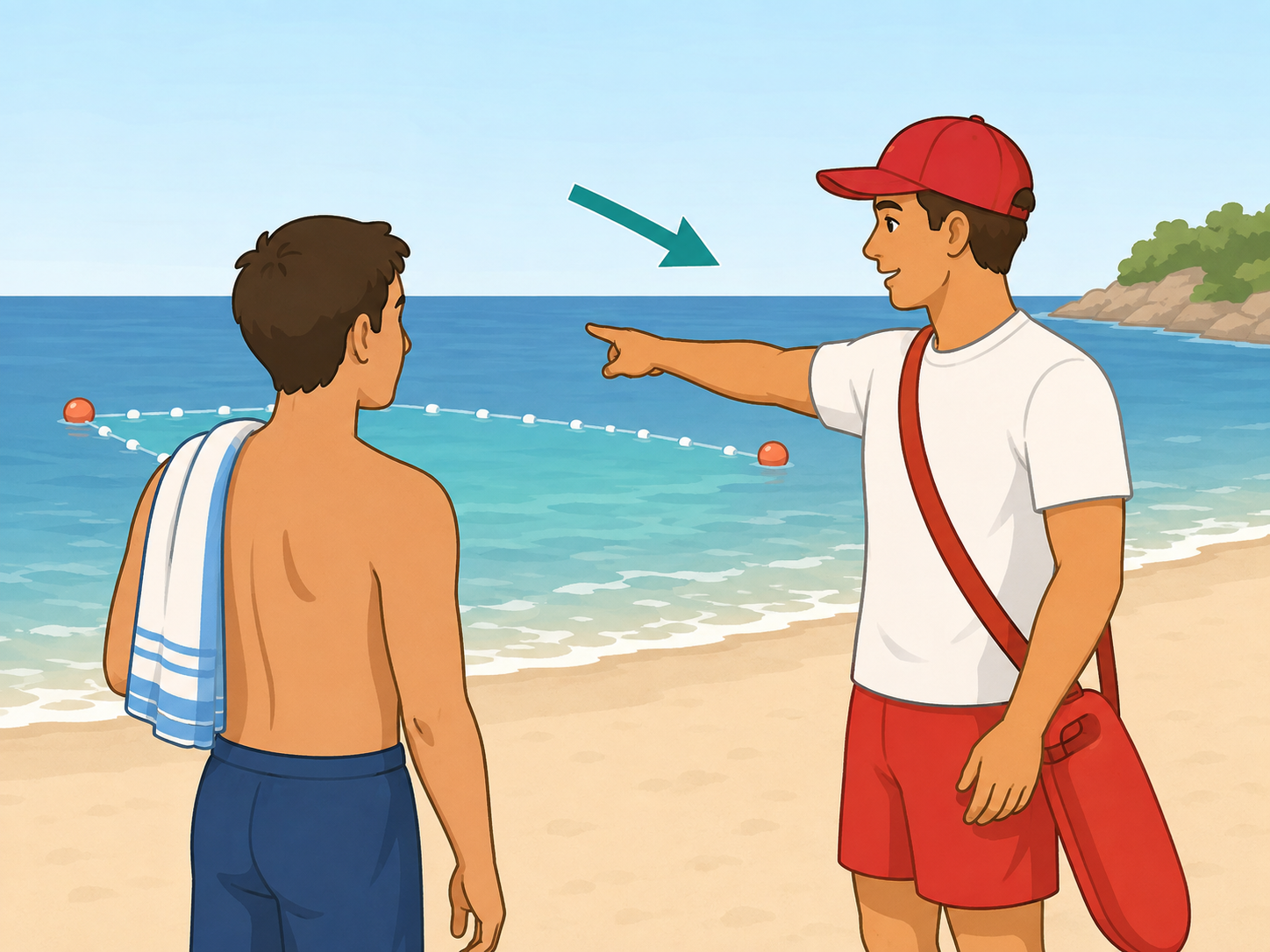
Ask a lifeguard what was reported
If a lifeguard is on duty, ask what kind of marine life triggered the flag and which areas to avoid. A purple flag could relate to jellyfish, stingrays, sea urchins, or another local hazard, and lifeguards usually have the most current beach-specific information.
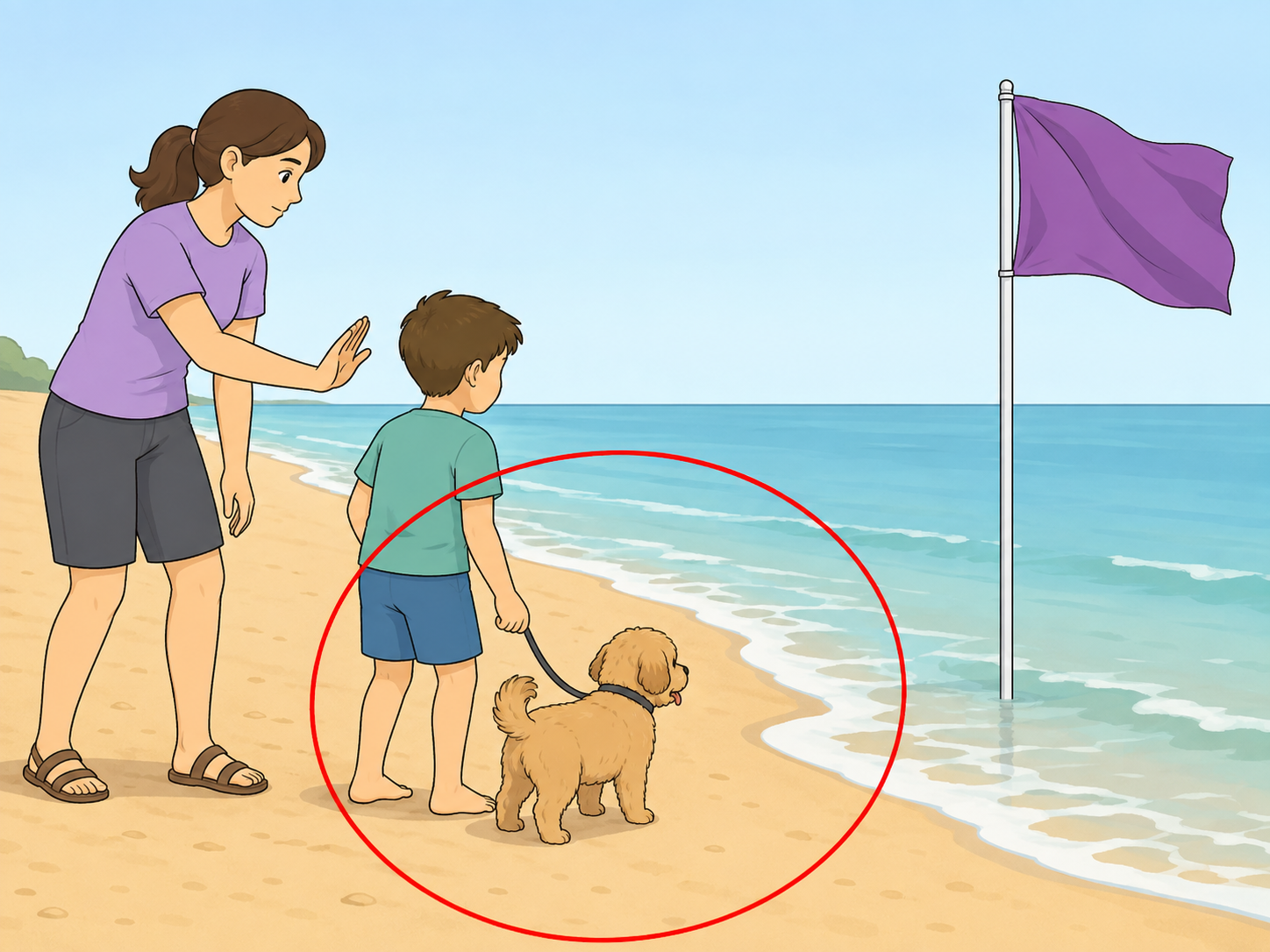
Keep children and pets out of the water until you know the risk
Children, pets, and weaker swimmers may have a harder time avoiding or reacting to stinging marine life. The CDC advises swimmers to respect posted warnings and avoid unsafe water conditions, so pause until you understand what the purple flag is warning about.
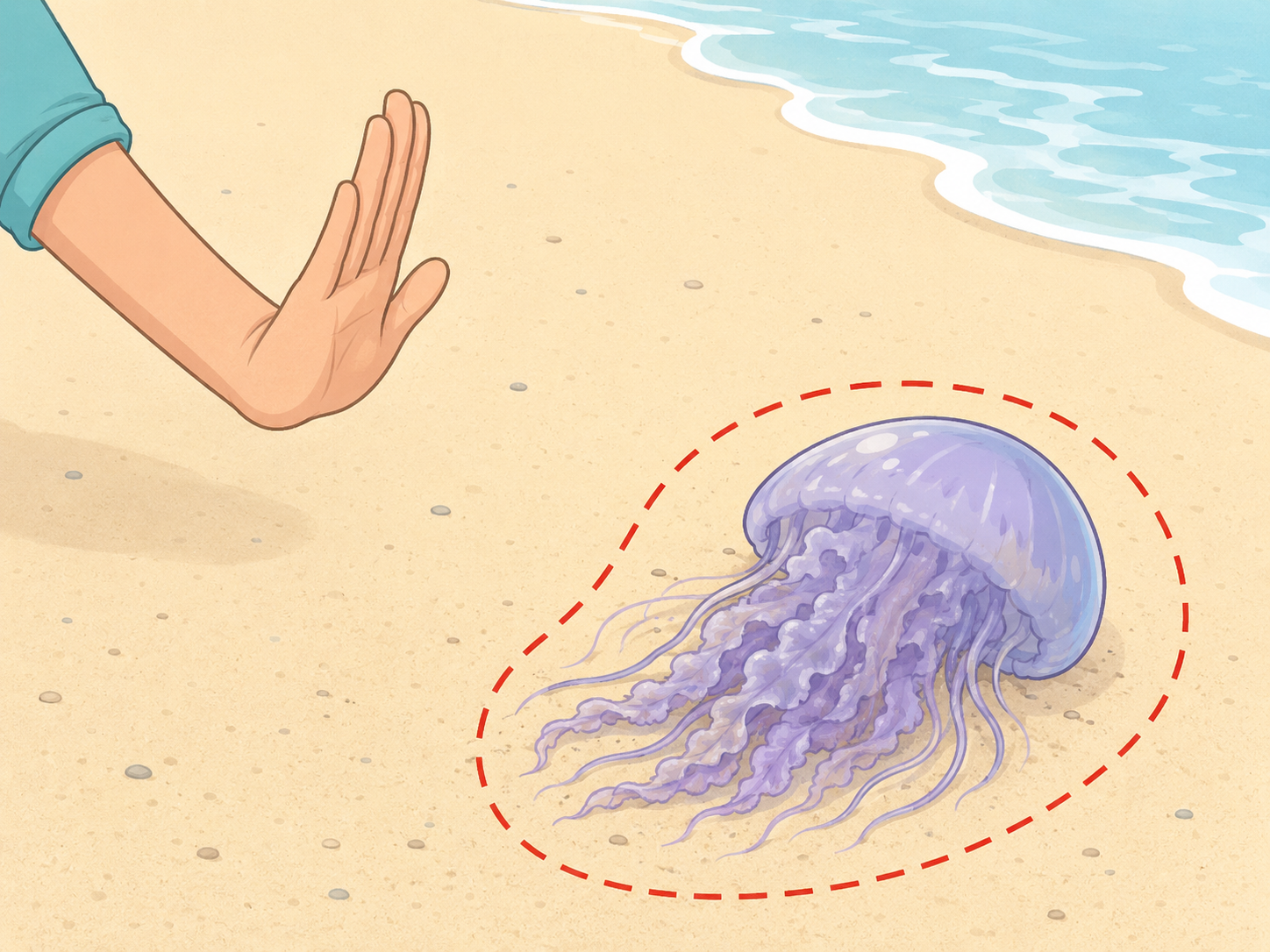
Avoid touching marine animals or washed-up tentacles
Do not pick up jellyfish, sea urchins, stingrays, or tentacle-like material on the sand. MedlinePlus notes that marine animal stings and bites can cause pain, skin reactions, and more serious symptoms, and some animals can still sting after washing ashore.
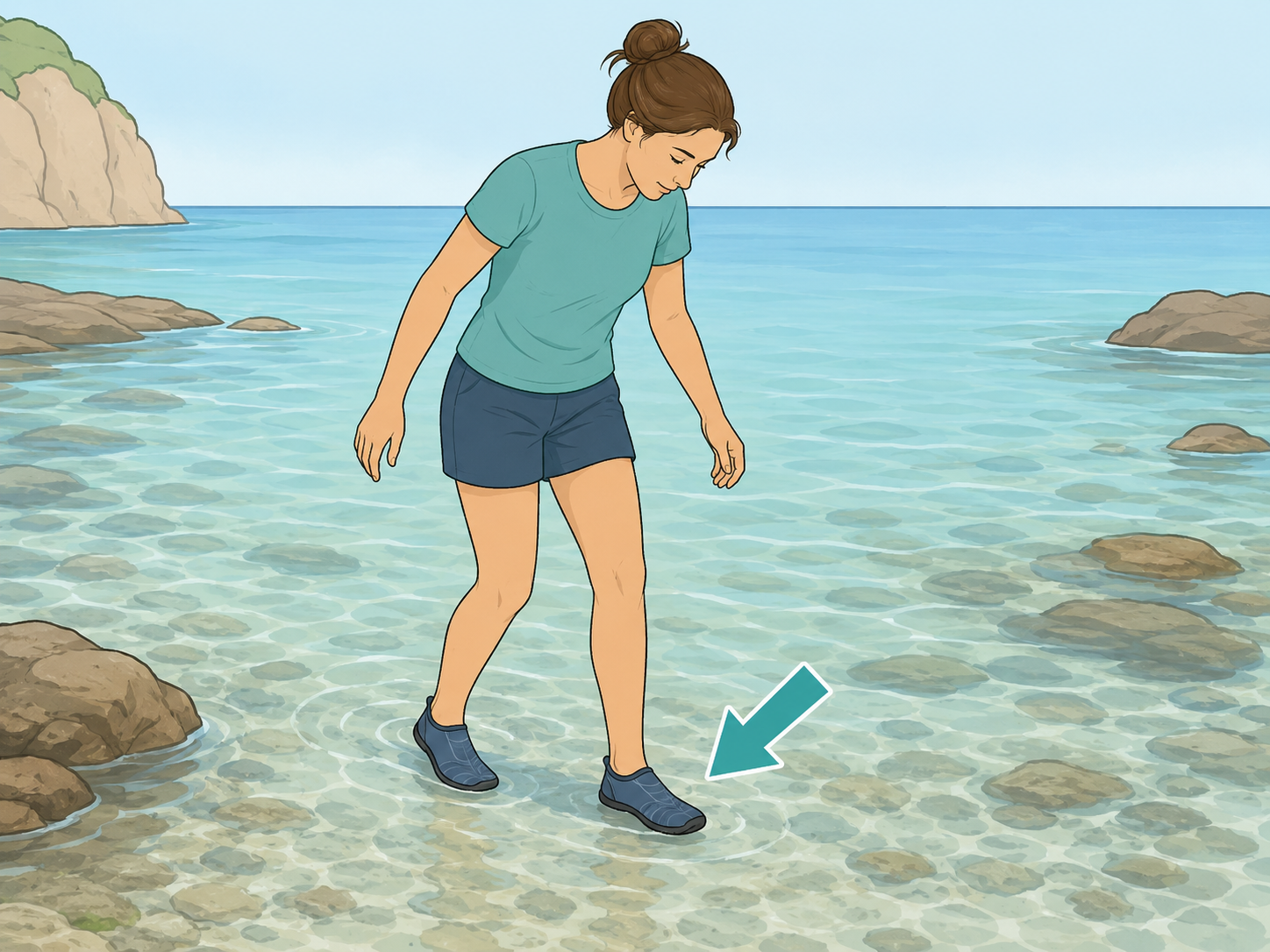
Use extra protection if officials say wading is allowed
If lifeguards say shallow wading is acceptable, stay alert, wear protective water shoes when appropriate, and avoid murky areas where you cannot see the bottom. Move slowly and give marine animals space rather than trying to scare, chase, or handle them.
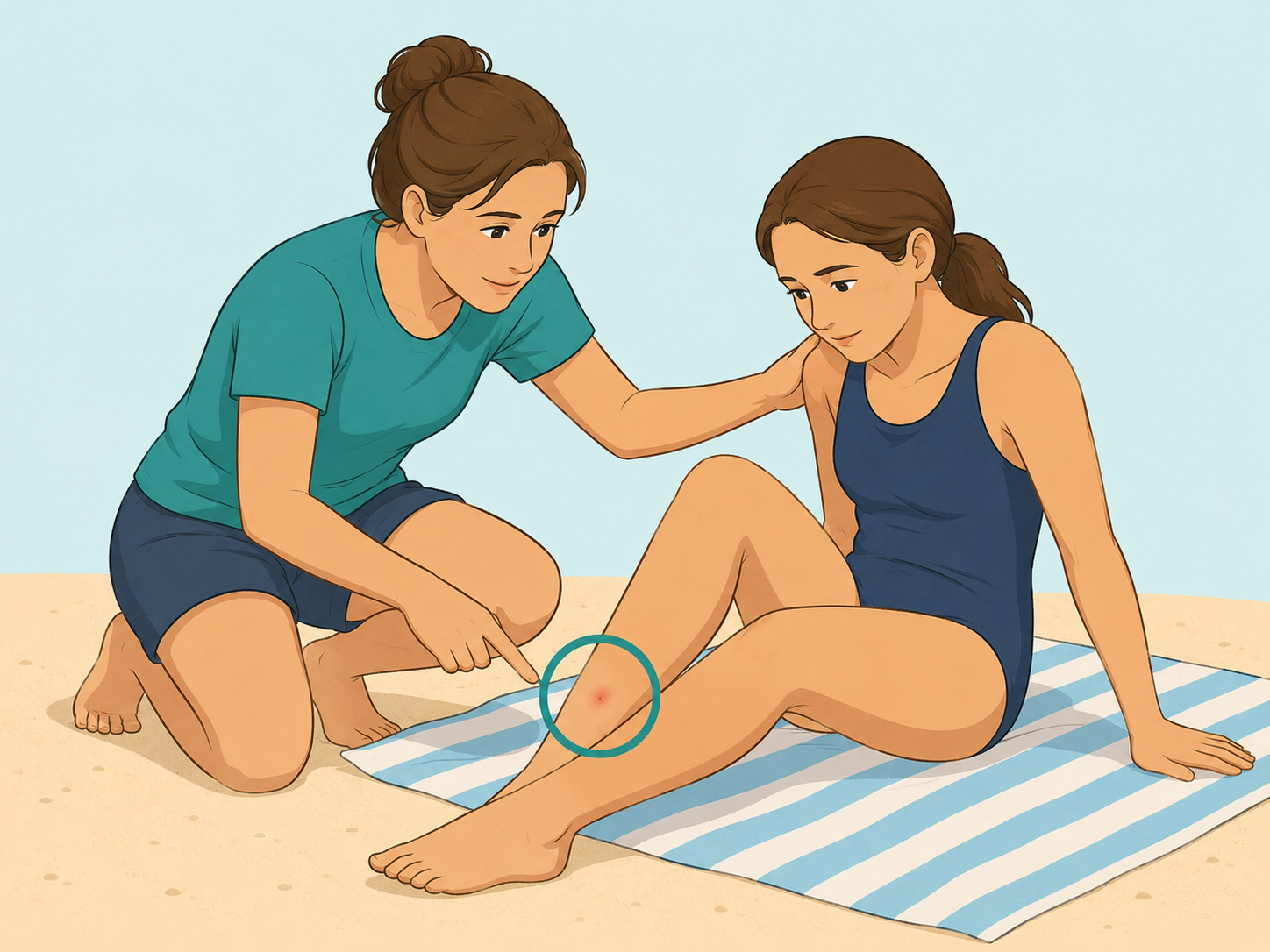
Respond carefully if someone is stung or bitten
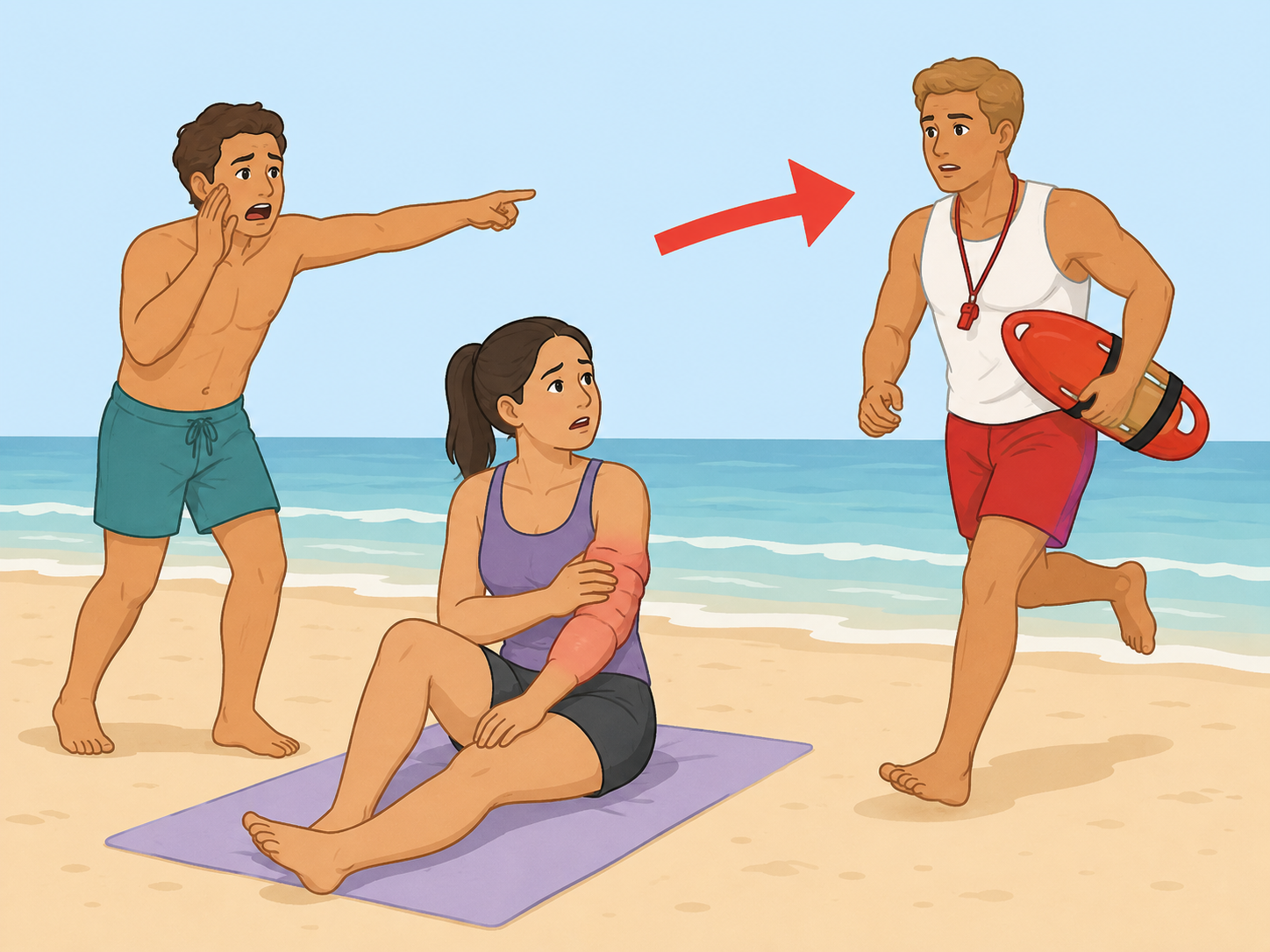
Help the person leave the water, keep them calm, and follow local first-aid instructions. For jellyfish stings, Mayo Clinic recommends removing visible tentacles carefully and using hot-water immersion for many stings, but local guidance matters because treatment can vary by species.
Seek medical help for serious symptoms
Call emergency services or get urgent care if a sting or bite causes trouble breathing, chest pain, fainting, severe swelling, spreading symptoms, or intense pain. Medical help is also important for stings near the face or genitals, large-area stings, or symptoms in a child, older adult, pregnant person, or someone with a serious health condition.

Keep checking flags throughout the day
Beach conditions can change as tides, winds, currents, and marine-life sightings shift. The National Weather Service explains that beach flags communicate changing surf and water hazards, so recheck the flag board before going back in after breaks.
Summary
The bottom line: treat a purple flag as a real safety warning. Check posted signs, ask a lifeguard what was seen, avoid touching marine life, and seek medical help if a sting or bite causes severe symptoms.
Frequently Asked Questions
- What does a purple flag mean at the beach?
- A purple flag generally means dangerous marine life may be present, such as jellyfish, stingrays, or other animals that could sting or bite. Always check the local sign because flag systems can vary by beach.
- Does a purple flag always mean sharks?
- No. A purple flag is a general marine-life warning, not a shark-only warning. Ask a lifeguard or check the posted advisory to learn what has been reported that day.
- Can I still swim when a purple flag is flying?
- Sometimes swimming may still be allowed, but that does not mean it is risk-free. Use extra caution, stay near a lifeguard, and avoid the water if officials advise swimmers to stay out.
- Can a purple flag fly with another warning flag?
- Yes. A purple flag may fly with another color flag, such as a yellow or red flag, to warn about both marine life and surf or current conditions. Pay attention to every flag, not just the purple one.
- What should I do if I get stung by a jellyfish?
- Leave the water, avoid rubbing the area, and follow local first-aid guidance. For severe pain, trouble breathing, chest tightness, fainting, swelling of the face or throat, or a sting covering a large area, get urgent medical help.
- Are beach flag meanings the same everywhere?
- Not always. Many U.S. beaches use similar flag colors, but local meanings and rules can differ. Read the posted sign at that beach and follow lifeguard instructions.
References
Reliable references aided in composing and refining this content.
- https://floridadep.gov/rcp/fcmp/content/beach-warning-flag-program
- https://www.weather.gov/ohx/ripcurrents
- https://www.weather.gov/safety/ripcurrent-before
- https://wwwnc.cdc.gov/travel/page/safe-swimming-diving
- https://medlineplus.gov/ency/article/000032.htm
- https://www.mayoclinic.org/diseases-conditions/jellyfish-stings/diagnosis-treatment/drc-20353290