
 Pin it
Finding out that your mother discovered something private by accident can feel embarrassing, tense, or unfair. This guide shows you how to slow down, talk clearly, and protect your privacy without turning one awkward moment into a bigger fight. It also explains when the situation may need help from a trusted adult or health professional.

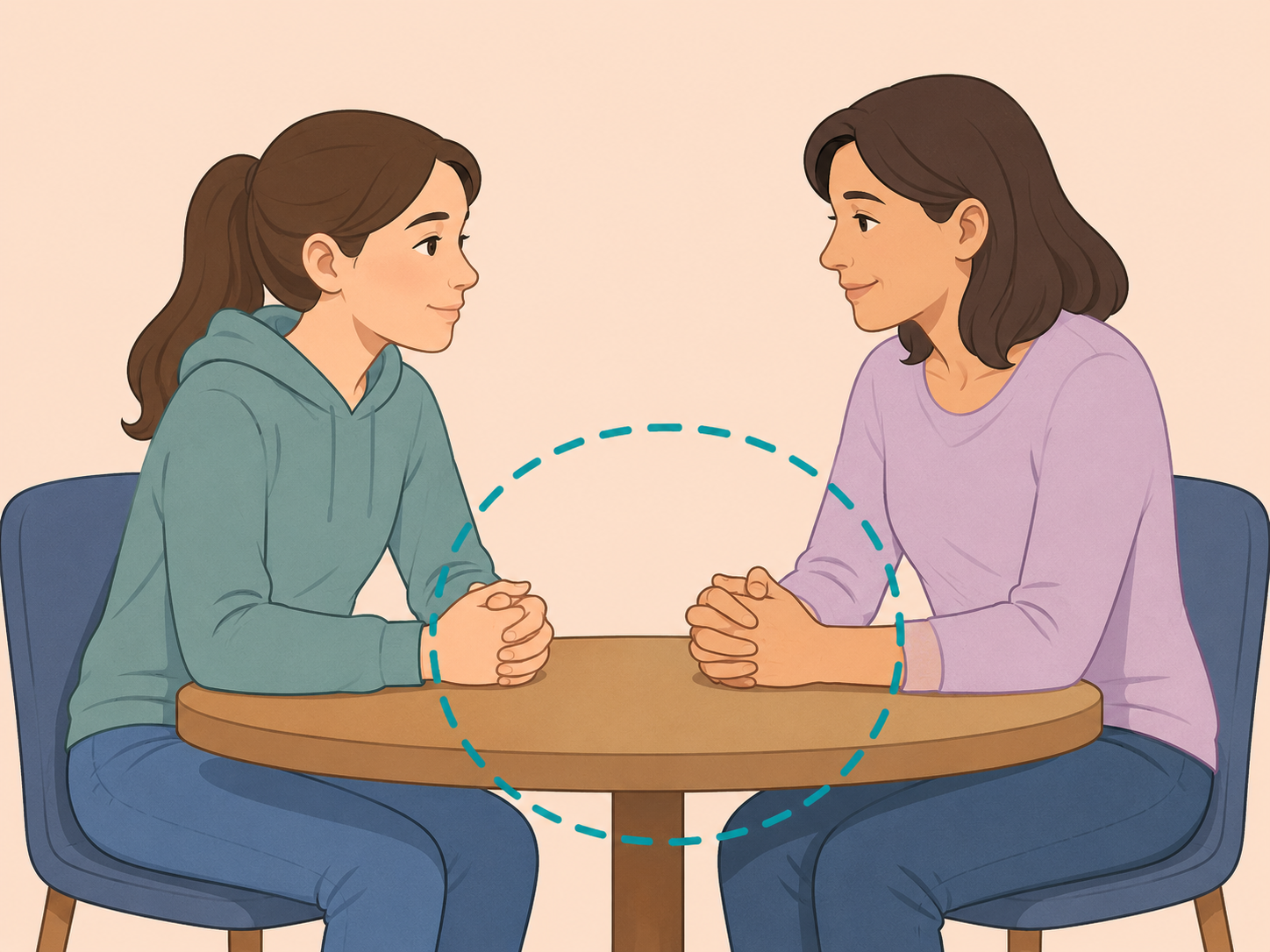
Pause before you react
Take a minute before texting, yelling, deleting things, or accusing her of snooping. Parent-teen conflict often grows when both people react from embarrassment or fear, and the American Psychological Association notes that privacy, independence, and risky choices can all become flashpoints in families. A slower response gives you a better chance of being heard.
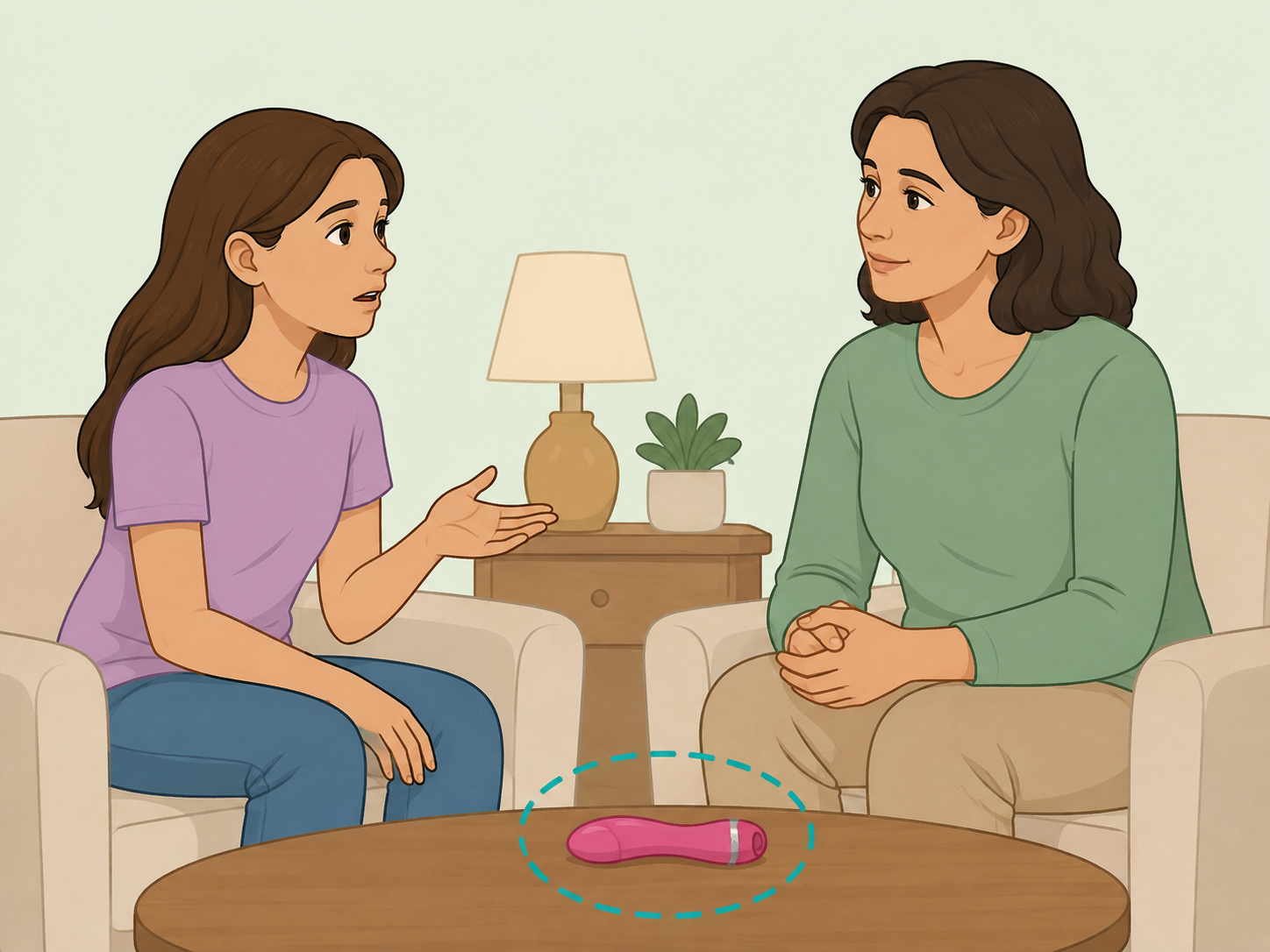
Figure out what she actually found
Before you explain, make sure you know what happened: did she see the item, read it, open it, or only notice it? Ask one calm question, such as, "What did you see?" or "Did you read any of it?" Knowing the exact problem keeps you from confessing more than you need to or arguing about things she never saw.
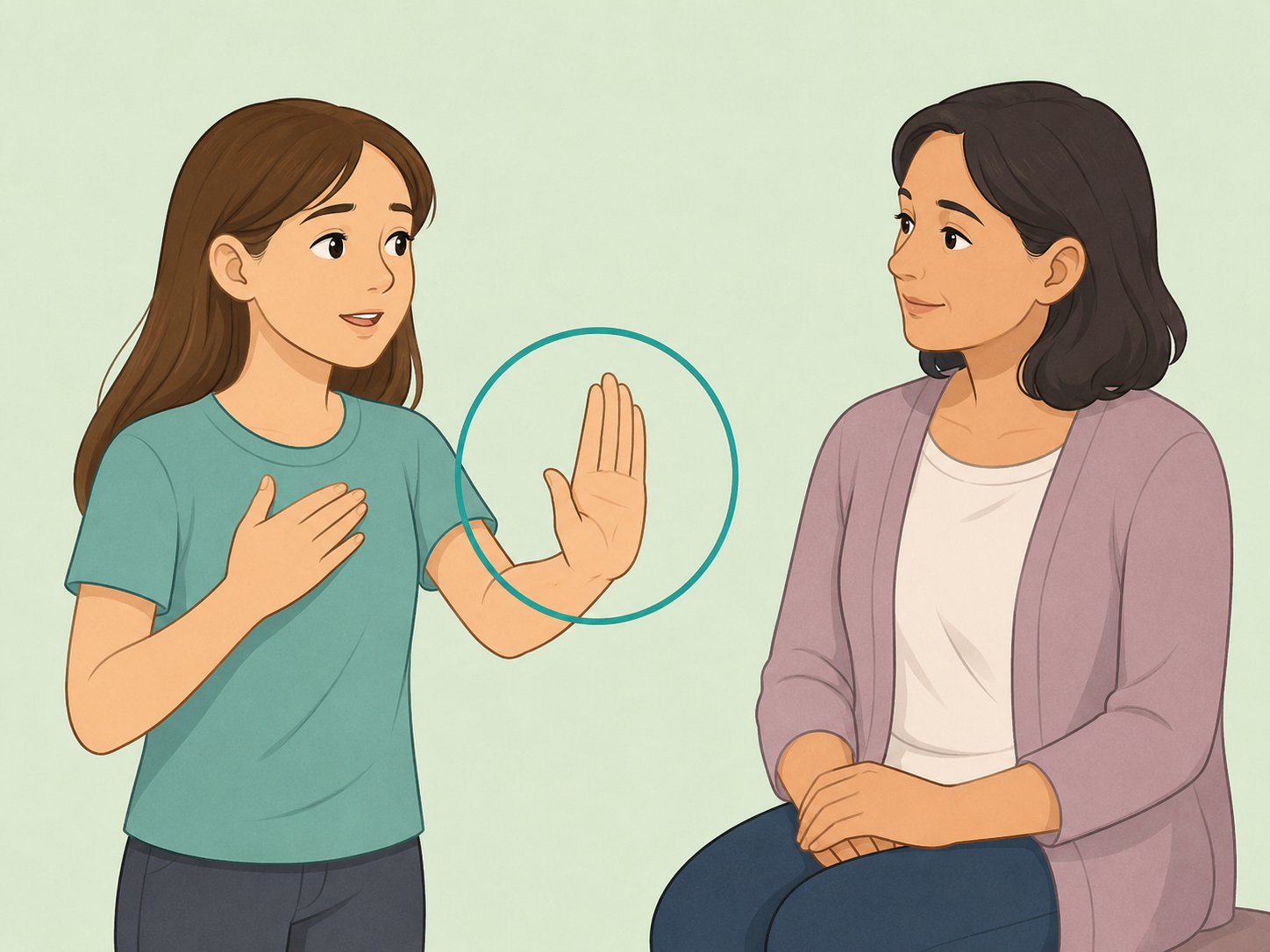
Decide whether to talk now or later
If either of you is angry, ask to pause and come back to it later the same day. Utah State University Extension recommends staying calm and avoiding too many probing questions when a teen is opening up, because trust grows when people feel respected instead of interrogated. Try, "I want to talk about this, but I need ten minutes so I do not say it badly."
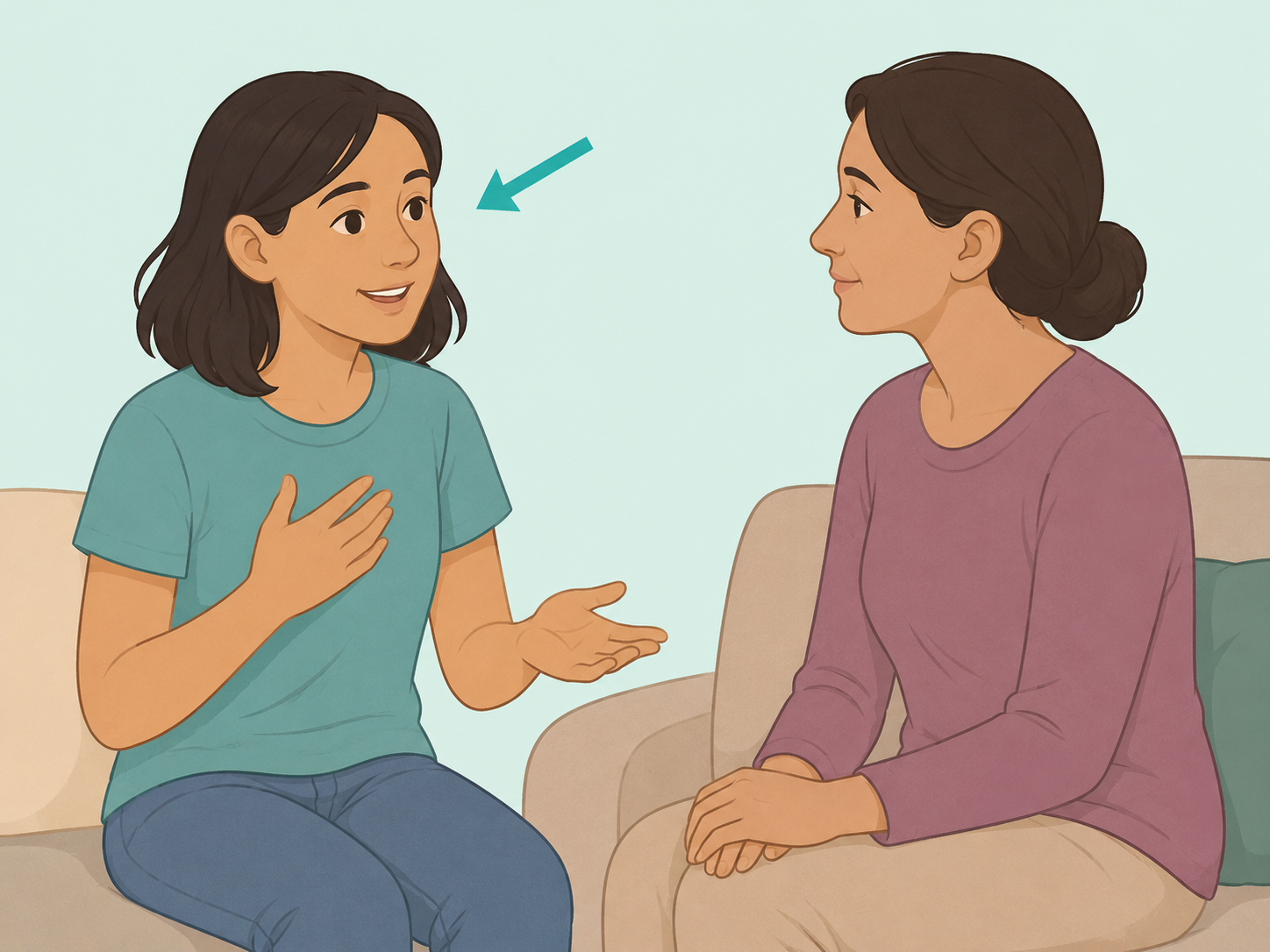
Give a short, honest explanation
Explain only what is necessary, using plain words. You might say, "That was private, and I was embarrassed that you saw it," or "It is something I am still figuring out." The University of Minnesota Extension notes that teens become independent while still staying connected to family, so the goal is not to shut your mother out completely but to share at a level that is appropriate.
Listen without accepting unfair treatment
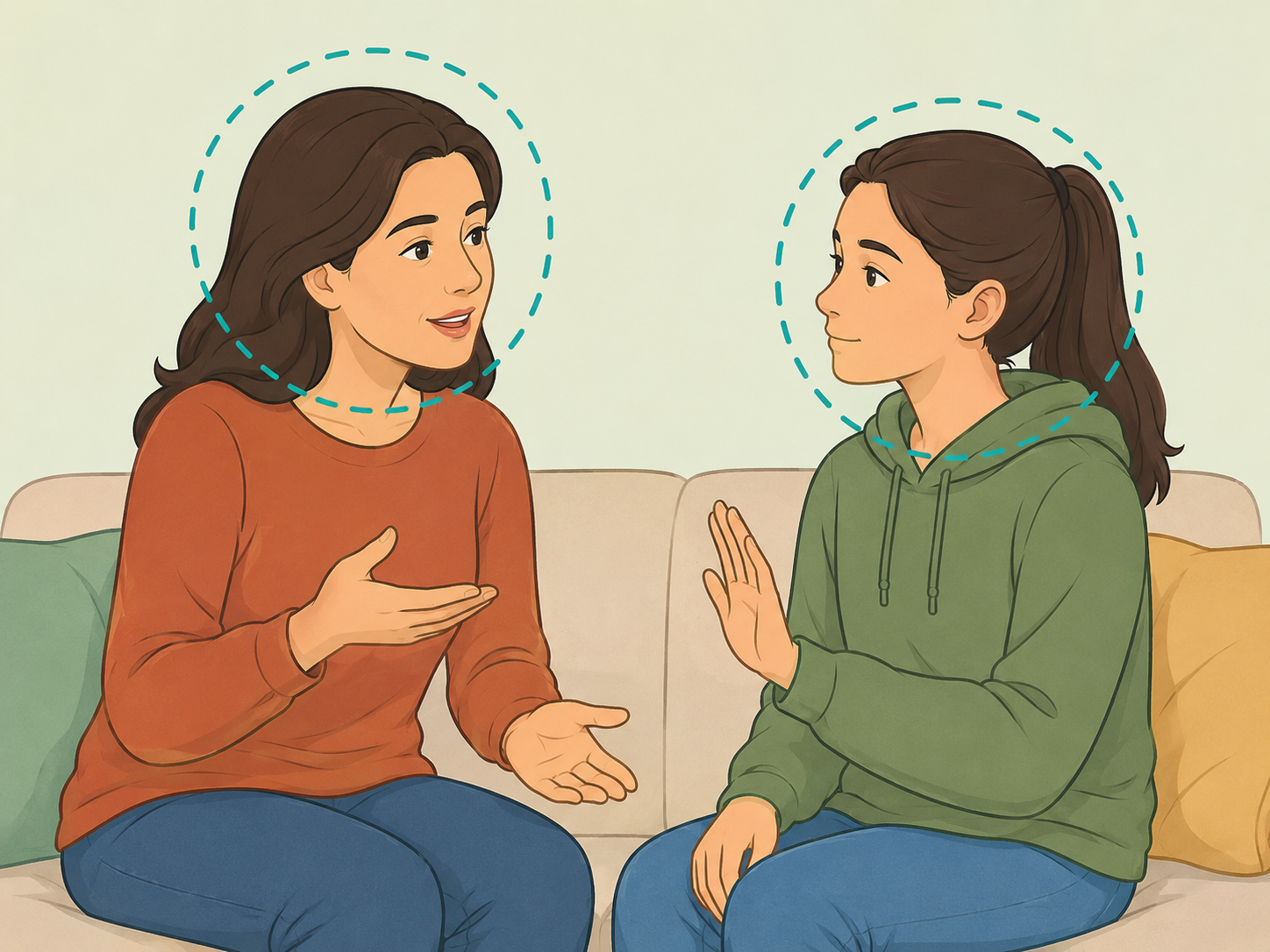
Let her say what worried or surprised her, but do not agree to being insulted, mocked, or repeatedly questioned. Healthy boundaries go both ways, and the Child Mind Institute explains that children and teens normally need more privacy and autonomy as they mature. If the conversation turns harsh, say, "I can keep talking if we both stay respectful."
Set one clear privacy boundary
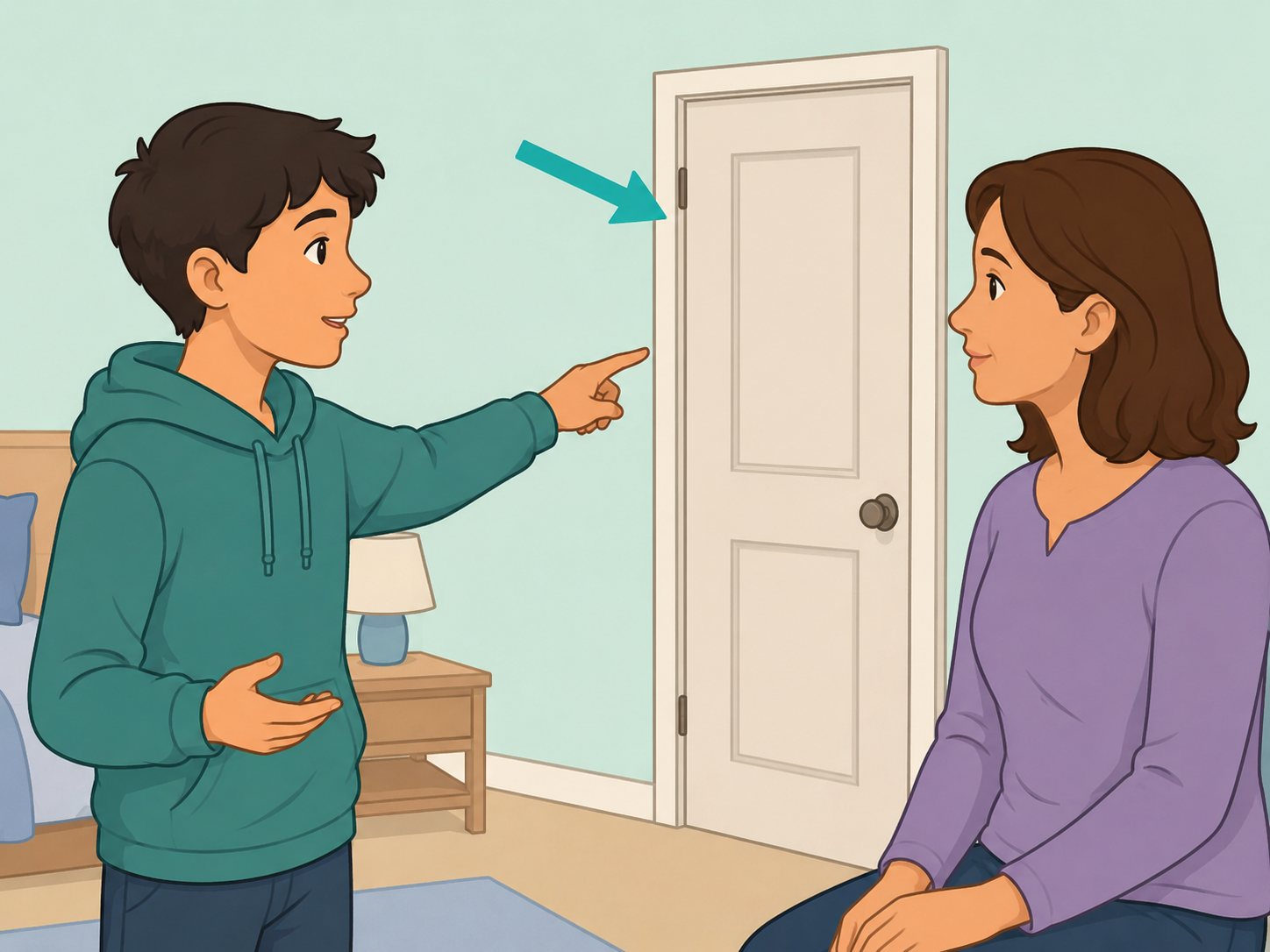
Ask for a specific boundary instead of making a broad accusation. For example, say, "Please knock before coming in," "Please do not read my notebook," or "Please ask before opening that drawer." Specific requests are easier to follow than a general statement like, "Respect my privacy."

Ask for help if health or safety is involved
If the private thing involves medication, sexual health, substance use, self-harm, abuse, or anything that could affect someone’s safety, talk to a doctor, counselor, or another trusted adult. The American Academy of Pediatrics says teens can ask doctors private questions and can get help thinking through how to talk with parents about sensitive issues. Privacy matters, but immediate safety matters more.
Follow up once things are calmer
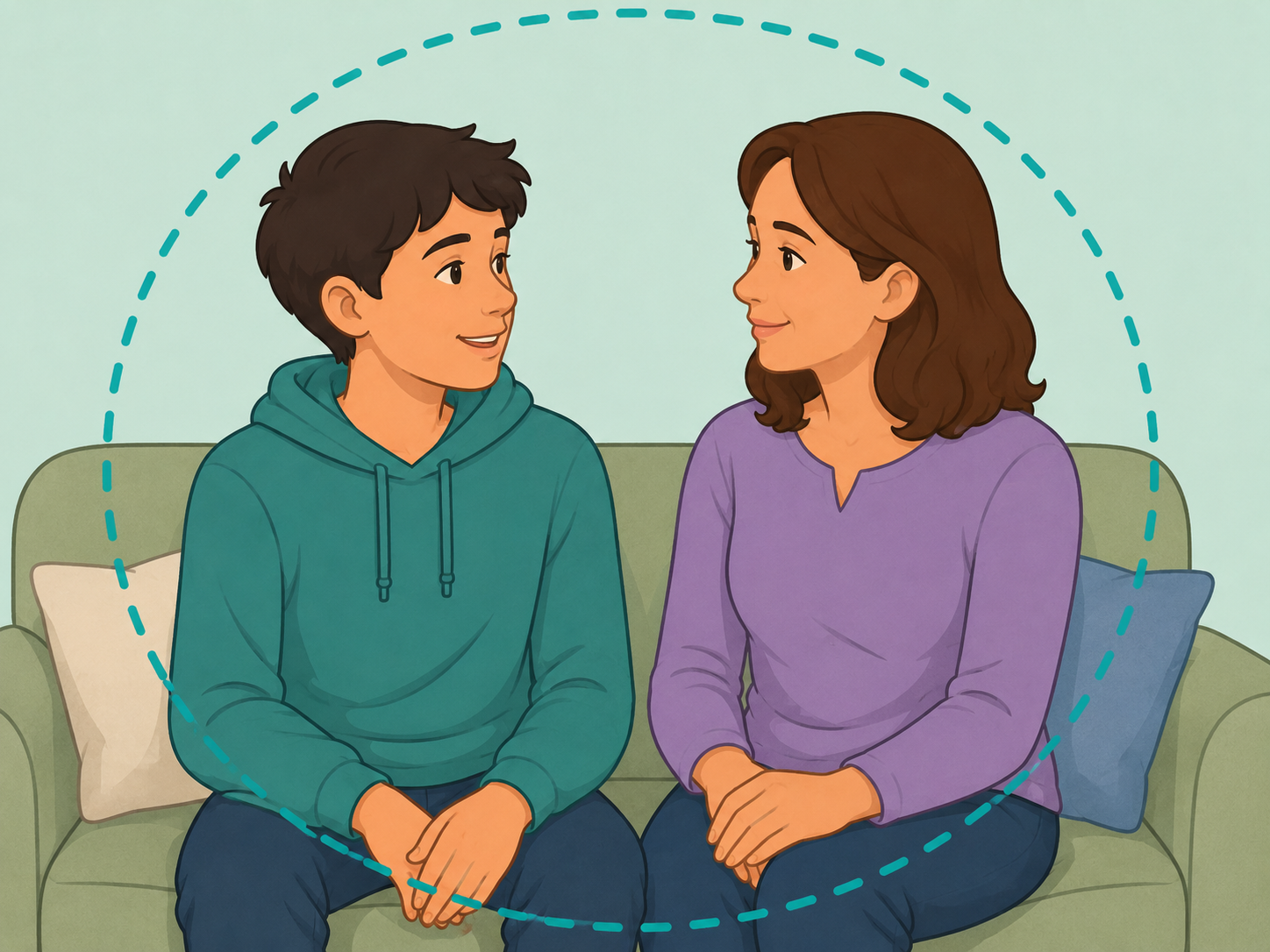
After the first awkward moment passes, have one short follow-up conversation about what should happen next. You can thank her for listening, restate the boundary, and ask what would help her worry less. A calm follow-up turns the incident into a practical agreement instead of a repeating argument.
Summary
The bottom line: treat the discovery as one uncomfortable event, not the whole story of your relationship. Stay calm, explain only what is necessary, listen briefly, and agree on a privacy boundary that both of you can actually follow.
Frequently Asked Questions
- What if my mother found my journal or private notes?
Say clearly that the notes were private and that you want them returned or left alone. You can explain that you are willing to talk about anything urgent, but you do not want your private writing read without permission.
- Should I lie if the truth is embarrassing?
Try not to lie. A short, honest answer usually protects trust better than a detailed explanation that is not true. You can still say, "I am not ready to discuss every detail."
- What if she is angry even though she found it by accident?
Let her cool down before trying to solve the whole issue. A calm follow-up conversation is usually more useful than defending yourself while emotions are high.
- Do I have a right to privacy at home?
Yes, privacy is a normal part of growing up and becoming independent, though parents may step in when they believe there is a safety concern. The best approach is to ask for a specific boundary, such as knocking before entering or not reading private messages.
- What if the private thing involves health, sex, alcohol, drugs, or self-harm?
Do not handle it alone if safety or health is involved. Talk to a doctor, school counselor, or another trusted adult who can help you decide what to share and how to get support.
- How do I make things less awkward afterward?
Give it a little time, then act normally while keeping the agreed boundary. If tension stays high, ask for one short conversation focused only on what each of you needs going forward.
References
Reliable references aided in composing and refining this content.
- https://www.healthychildren.org/English/ages-stages/teen/Pages/Information-for-Teens-What-You-Need-to-Know-About-Privacy.aspx?form=XCXCUUZZ
- https://childmind.org/article/maintaining-emotional-boundaries-as-a-parent
- https://extension.umn.edu/community/family-and-wellness/raising-kids/teen-development/teens-becoming-independent
- https://extension.usu.edu/relationships/faq/talking-with-teens
- https://www.apa.org/topics/parenting/teens