 Pin it
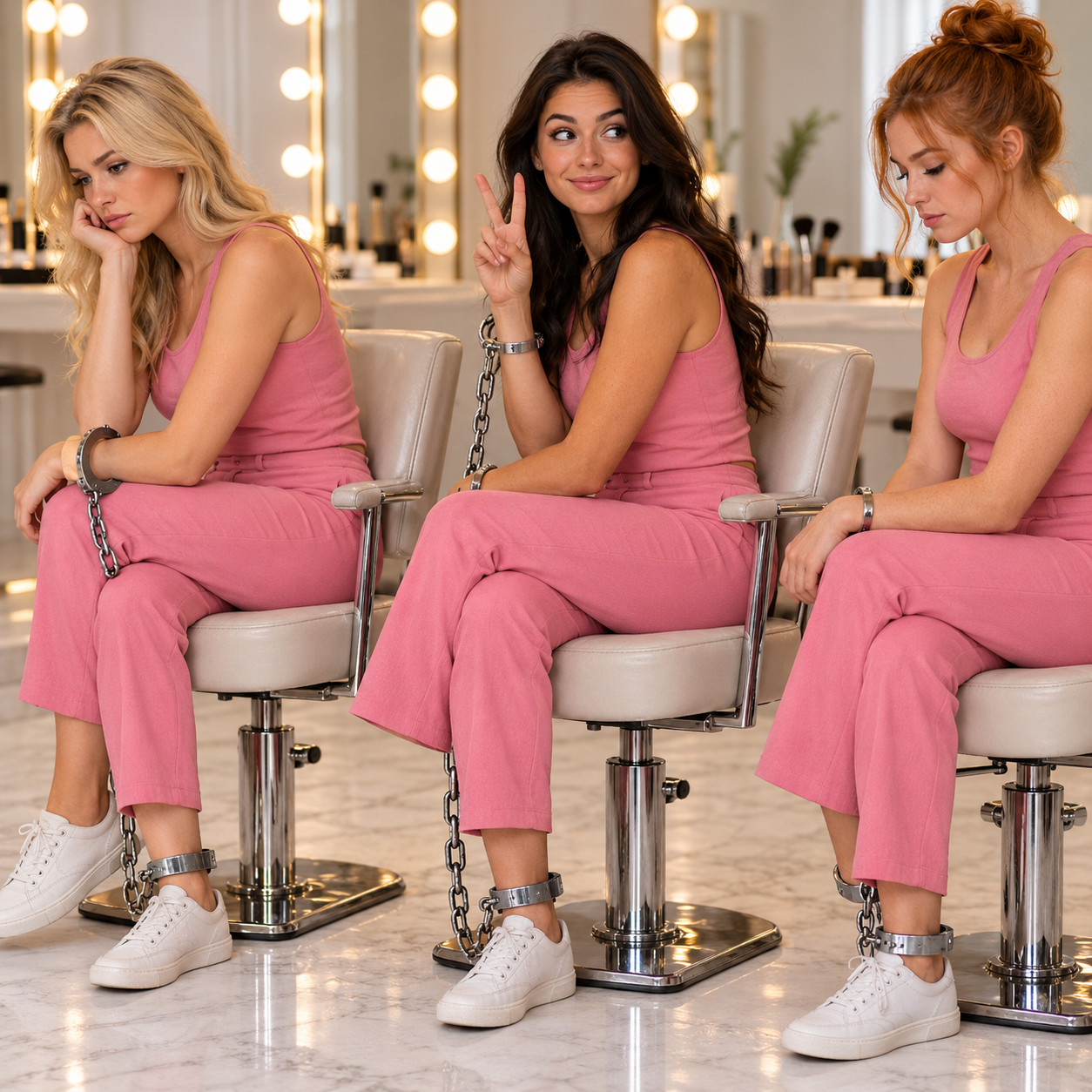
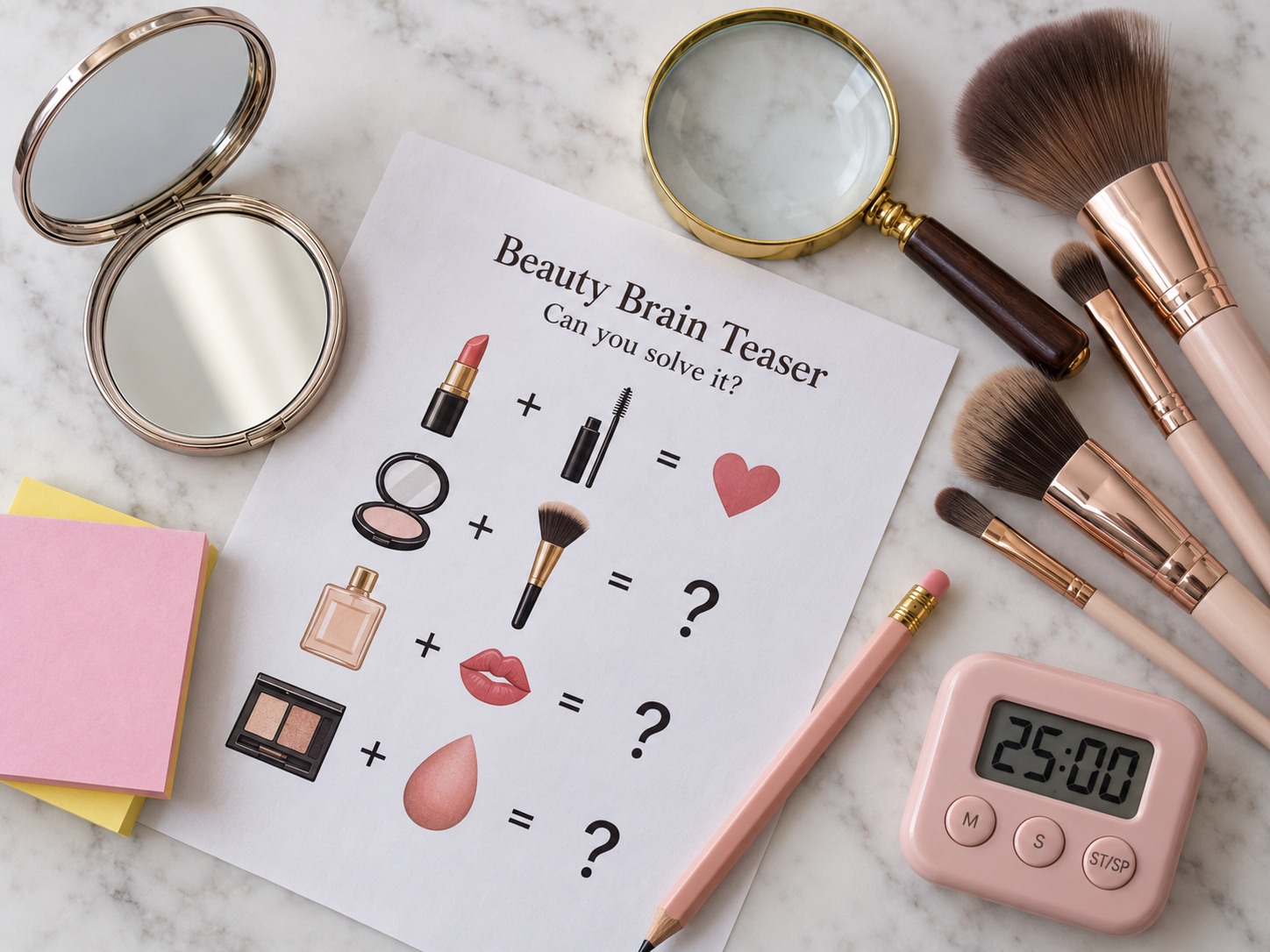
The Who Can Escape? - beauty brain teaser looks simple at first. Three people are shown in a scene, and your job is to decide who has the best chance of getting free.
The trick is not strength or panic. It is a small visual clue. Once you stop scanning faces and start checking the restraints, the answer becomes much easier to see.
Answer First
The answer is B. In this version, B appears to have a cuff that is loose enough to slide off, which gives that person the real chance to escape.
That is the whole trick. The puzzle wants you to judge the scene quickly, but the useful detail is small and practical.
Look At The Cuffs
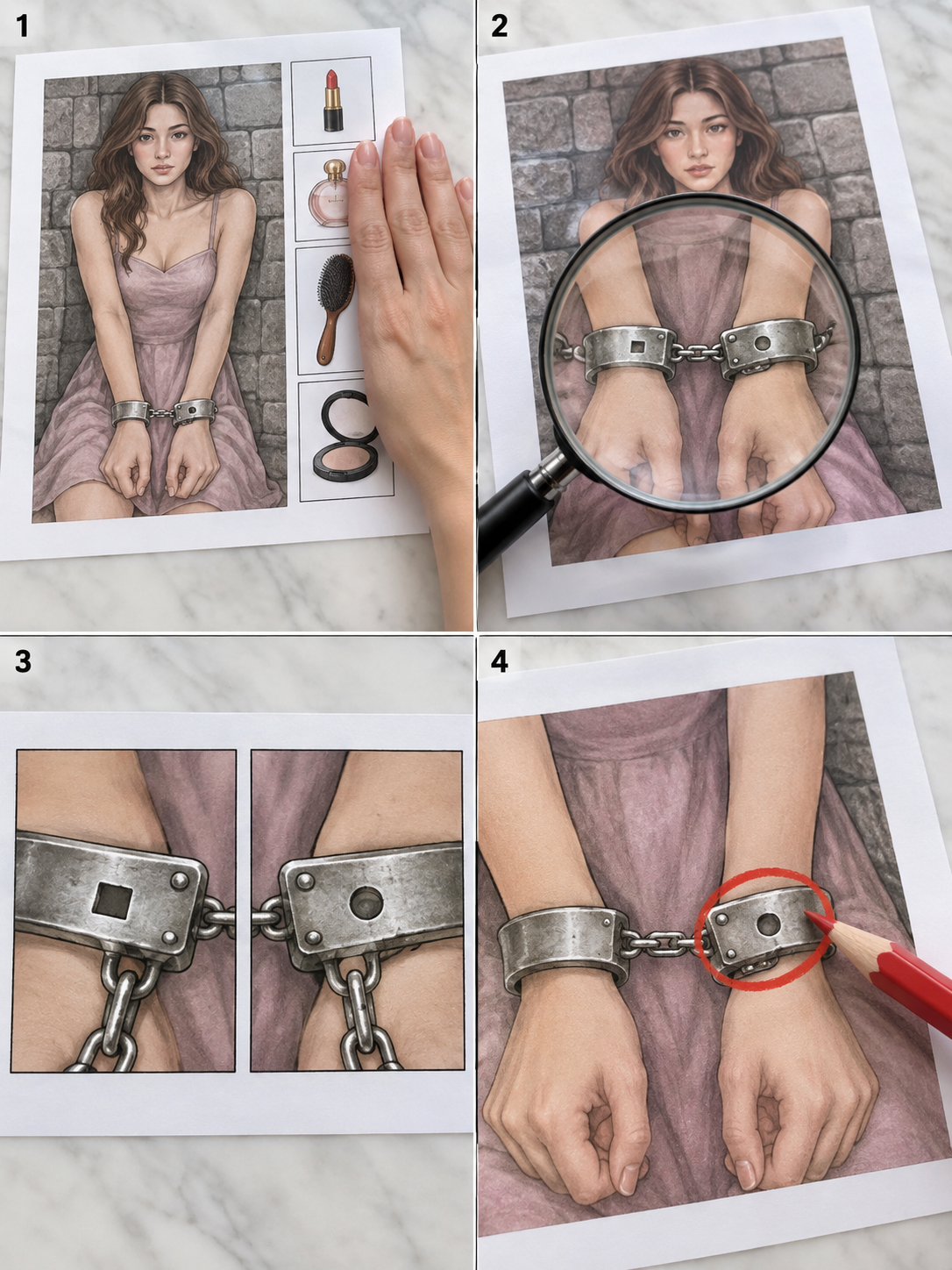
Start with the restraints, not the faces. A worried expression does not prove someone is trapped, and a calm expression does not prove someone has a plan. The cuff is the part of the picture that can actually make escape possible.
In the reference puzzle, the loose cuff points to B. If you are viewing a blurry repost, zoom in before deciding. A tiny gap around the wrist is enough to change the answer.
Solve It Step By Step
- Ignore the labels first. Cover A, B, and C in your mind so you judge the details instead of guessing from the order.
- Check each wrist. Look for a loose cuff, an open ring, a missing lock, or a chain that does not connect correctly.
- Compare the restraint fit. The person with the most room around the wrist has the best chance to slip free.
- Remove distractions. Beauty-room objects, clothing, and facial expressions are there to slow you down.
- Pick the practical escape. In this puzzle, that points to B.
Why This Trick Works
Good visual riddles push your attention toward the loud part of the image and hide the answer in a quieter place. This one uses the same habit. Your eyes want to read emotion first, then clothing, then the room.
The better move is to ask what would physically allow escape. That turns the puzzle into plain problem solving. You are moving from the starting situation to the goal by checking which detail changes the outcome. For another quick test of detail spotting, try this beauty picture puzzle.
Common Traps In The Picture
The biggest trap is assuming the most nervous person must be the one who escapes. That is story thinking, not evidence. Another trap is choosing the person who looks strongest. Strength does not help much if the cuff is tight and the lock is sound.
Beauty-themed puzzles also add visual noise. Makeup tables, mirrors, hair tools, and clothing details can all feel important. Most of them are not. The same thing happens in viral beauty math traps, where the obvious symbol often hides a changed detail.
A Faster Scanning Method
Use a three-pass scan. First, check anything that holds a person in place. Second, compare the three options for one mismatched detail. Third, ask which difference affects the question being asked.
This keeps you from staring at the whole picture at once. It also makes the puzzle more fun to share because you can give a useful hint without spoiling it. A good hint would be, "Look at the wrist," not "Pick B." Cleveland Clinic describes puzzles and memory games as examples of challenging mental activities that ask the brain to think, which is why these quick riddles feel satisfying when the answer clicks. You can read more in their guide to mental exercise and brain health.
When The Image Looks Different
Reposted puzzles are often cropped, brightened, or compressed. That can blur the very clue you need. If B's cuff is not visible in your copy, look for the same kind of clue across all three choices before settling on an answer.
The principle still holds. The escapee is the person whose restraint has a weakness. If the labels or artwork changed, the correct letter may change too. This is why detail-based puzzles work best when you solve from the image, not from a memorized answer.
Try Similar Beauty Puzzles
If you enjoy this one, stay with puzzles that train the same slow-looking habit. Spotting winter beauty mistakes uses environmental clues, while a simple routine guide like building a beauty routine that works rewards the same calm attention to order and details.
Small clues are easy to miss when you rush. That is the point. Give yourself ten quiet seconds, scan with a method, and the answer usually stops hiding.
Summary
This puzzle rewards slow looking. The person who can escape is the one with a loose cuff, so focus on the practical clue instead of the scene's distractions.
Frequently Asked Questions
- → What is the answer to Who Can Escape? - beauty?
The answer is B in the commonly shared version of the puzzle. B has the key visual advantage because the cuff looks loose enough to slip out of, while the other choices appear more securely held.
- → What clue should I look for first?
Check the cuffs before anything else. Many people look at facial expressions or body position first, but the restraint is the practical detail that decides who can actually escape.
- → Why do people miss this puzzle answer?
The scene uses distraction. Beauty-themed props, expressions, and labels can pull your eyes away from the small mechanical clue. A slower scan helps you notice the one detail that changes the answer.
- → Can the answer change if the image is cropped?
Yes. Some reposts crop or compress the picture, and that can make the loose cuff harder to see. If your version looks different, use the clue rather than trusting the letter alone.
- → Are visual puzzles good mental exercise?
They can be a light way to practice attention and flexible thinking. Cleveland Clinic notes that challenging activities such as puzzles can count as mental exercise when they make your brain work, though they should not be treated as medical treatment.
- → How can I solve similar beauty puzzles faster?
Use a fixed order. Scan hands, feet, objects, shadows, mirrors, and anything that looks slightly different from the rest. This works well for beauty riddles, difference puzzles, and quick visual traps.