 Pin it
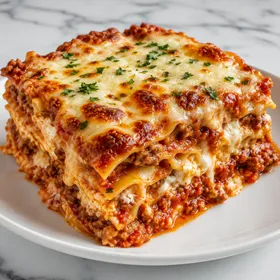
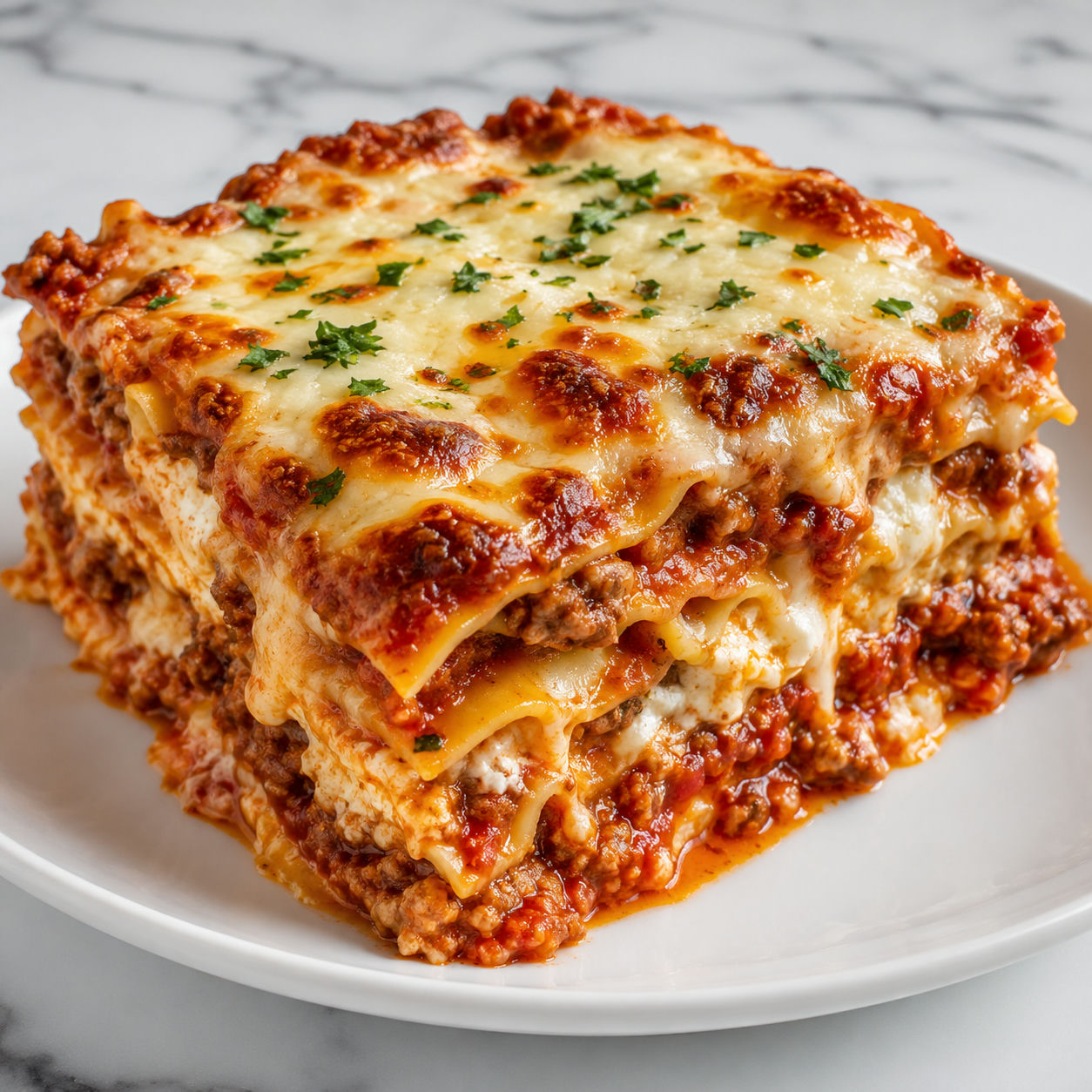
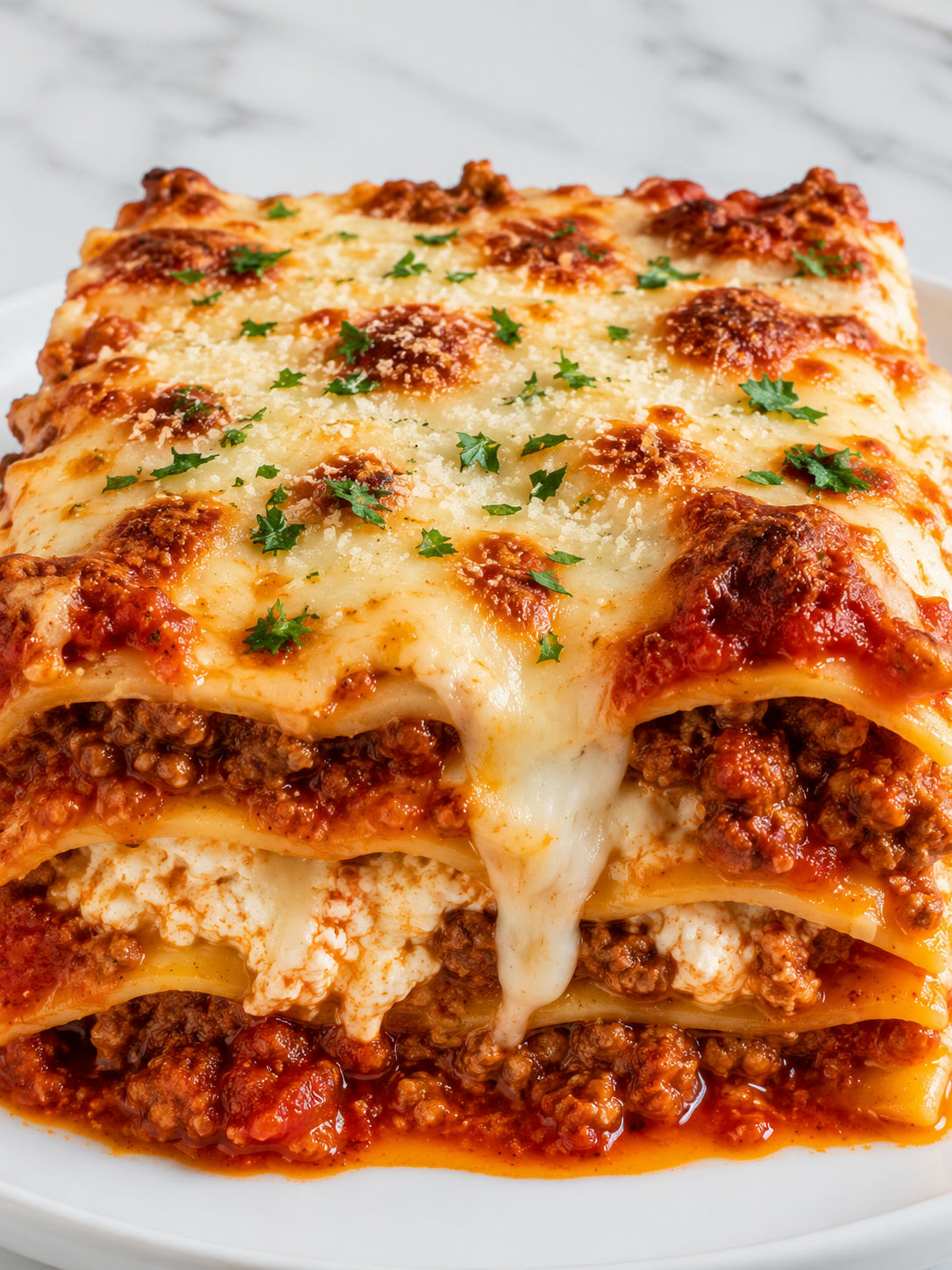
Best Classic Homemade Lasagna is the kind of dinner that makes the kitchen smell like someone planned ahead, even if you only started an hour ago. The sauce is meaty and tomato-rich, the ricotta layer is creamy without being loose, and the top bakes into browned, bubbling cheese.
I like this version because it keeps the old-school comfort intact. No fussy ingredients. No dry corners. Just a sturdy 9x13 pan of lasagna that feeds a table and reheats well the next day.
The Layers That Matter
A good lasagna is built from ingredients that each do a clear job. Use whole milk ricotta, a block of mozzarella you shred yourself if you have time, and a tomato sauce thick enough to mound slightly on a spoon.
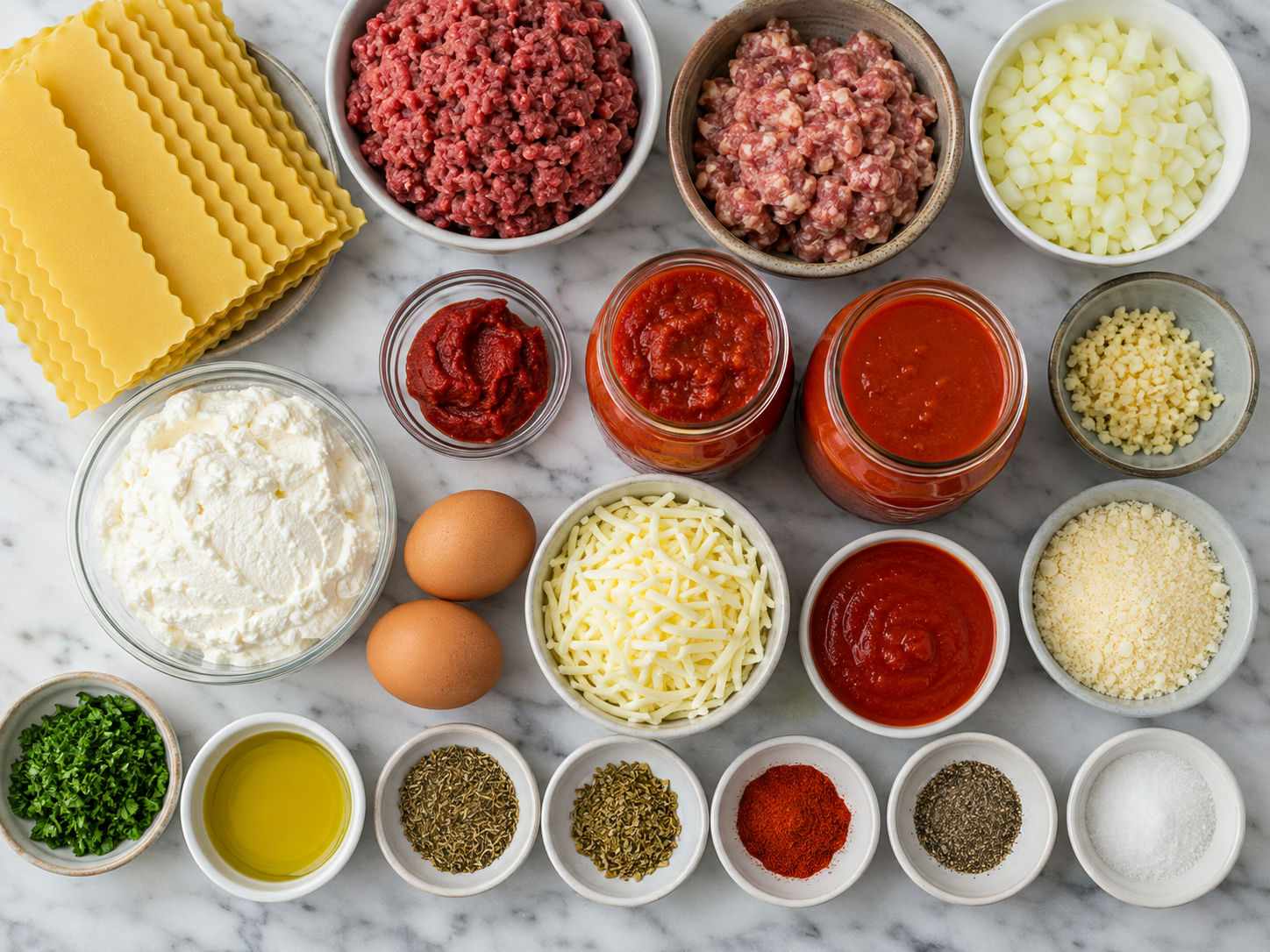
- Ground beef. Gives the sauce a deep, savory base and enough body to sit between the noodles.
- Italian sausage. Adds fennel, garlic, and richness without needing a long simmer.
- Onion and garlic. Build sweetness and aroma at the start of the sauce.
- Tomato paste. Darkens in the pan and makes the sauce taste slow-cooked.
- Marinara and tomato sauce. Create a thick red sauce that spreads easily but does not flood the pan.
- Lasagna noodles. Hold the layers together when cooked firm and laid flat.
- Whole milk ricotta. Makes the creamy middle layer soft, rich, and sliceable.
- Eggs. Help the ricotta set so the squares do not slump apart.
- Mozzarella and Parmesan. Bring the stretchy top, salty edges, and browned finish.
- Parsley. Adds a fresh finish that keeps the cheese from tasting heavy.
Best Classic Homemade Lasagna Method
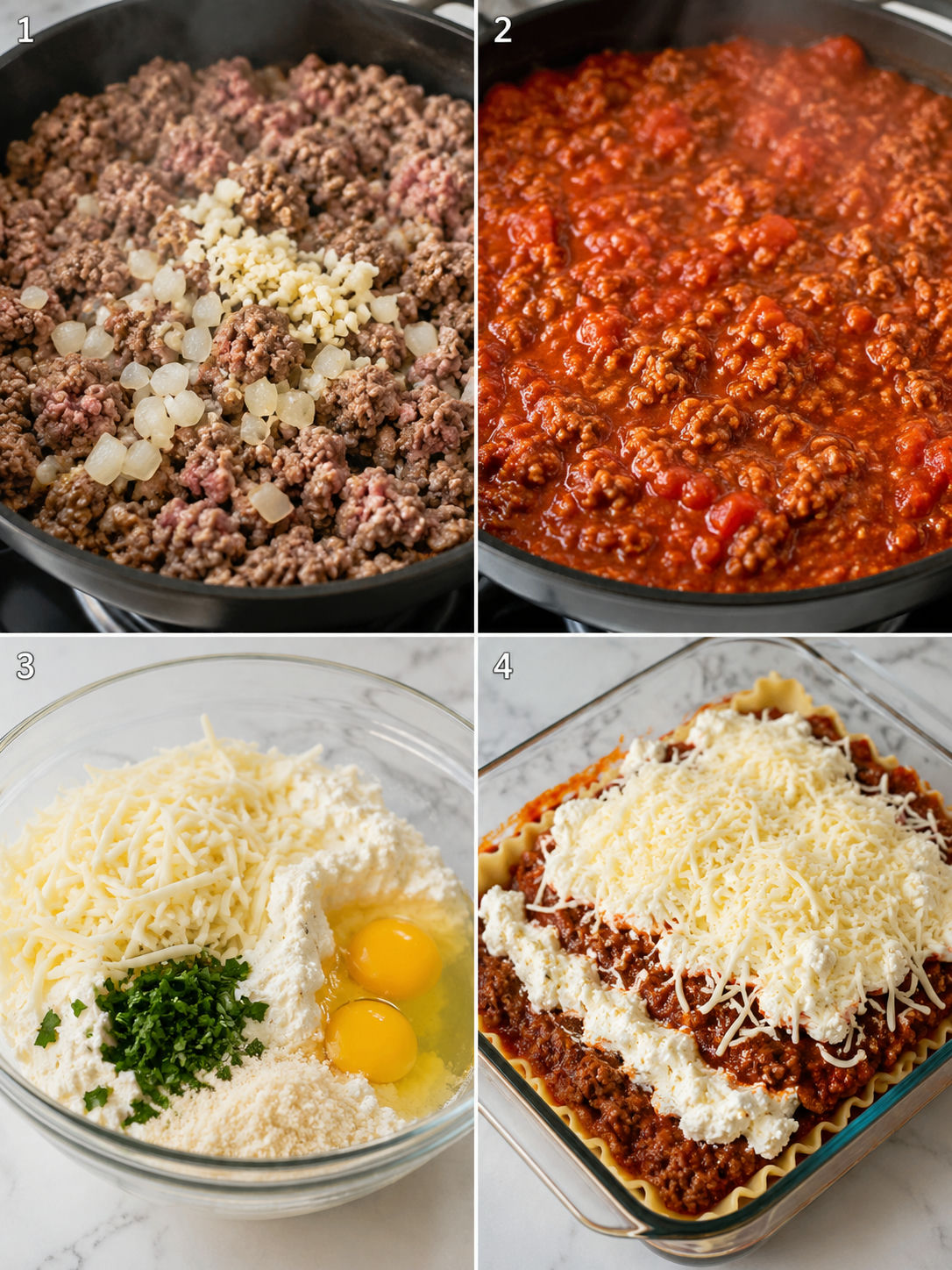
- Start the sauce base. Soften onion in olive oil, then stir in garlic just until fragrant so it does not burn.
- Brown the meats well. Add beef and sausage, break them into small pieces, and cook until no pink remains. Drain only if the pan looks greasy.
- Simmer until thick. Stir in tomato paste, seasonings, marinara, tomato sauce, and parsley. Let it bubble gently until it looks rich, not watery.
- Cook the noodles firm. Boil the lasagna noodles in salted water until just shy of al dente. Rinse briefly and lay them flat so they do not tear.
- Mix the ricotta filling. Stir ricotta with eggs, Parmesan, mozzarella, parsley, salt, and pepper until creamy and spreadable.
- Layer with restraint. Spread sauce in the dish, then add noodles, ricotta, meat sauce, and mozzarella. Repeat, keeping the layers even to the corners.
- Bake covered first. Cover with foil and bake until the center is hot. Uncover and keep baking until the cheese is melted, bubbly, and lightly browned.
- Rest before slicing. Give the pan 15 minutes on the counter. The layers settle and the first piece comes out much cleaner.
Let The Sauce Thicken
The sauce is the part that decides whether your lasagna slices cleanly or slides apart. After the meat browns, let the tomato paste cook for a minute before adding the sauces. It should darken slightly and smell sweet. That small step takes away the raw tomato edge and gives the sauce more depth.
Once the marinara and tomato sauce go in, simmer uncovered until the spoon leaves a brief trail across the pan. If you like keeping sauce ready for busy nights, this meat sauce follows the same practical idea as easy homemade sauces to keep stocked. For food safety, ground meat and sausage should reach 160 F according to the FoodSafety.gov temperature chart.
Noodles Should Stay Firm
Regular lasagna noodles work best here when they are cooked just under al dente. They should bend without cracking but still feel firm in the center. They will soften more as they bake in the sauce. If they are fully soft before assembly, the finished lasagna can taste heavy and the layers may tear when served.
I rinse the drained noodles briefly with cool water, then lay them on a lightly oiled sheet pan or parchment. That keeps them separate while you build the pan. Some classic versions, including The Modern Proper's classic lasagna, also lean on a sturdy noodle layer for height and structure.
Cheese Needs Balance
Lasagna should be cheesy, but the filling still needs shape. Whole milk ricotta gives the best texture because it is creamy without being grainy or dry. Eggs help it set. Parmesan adds salt and a nutty edge. A little mozzarella in the ricotta makes the middle layers melt into the sauce instead of sitting in separate streaks.
For the top, shredded mozzarella melts more smoothly when it comes from a block. Pre-shredded cheese still works, but it can be a little drier because of anti-caking starch. Save a handful of Parmesan for the last layer so the top browns in small salty patches. If you want another cozy cheese-forward bake later, Philly cheesesteak pasta bake scratches the same dinner-table itch.
Rest Before You Slice
The hardest part of lasagna is waiting after it leaves the oven. The sauce is bubbling, the cheese is pulling at the edges, and everyone wants the corner piece. Still, that 15-minute rest matters. The cheese tightens slightly, the sauce stops boiling, and the noodle layers settle into each other.
Use a sharp knife to cut through the layers all the way to the bottom of the dish. Then lift with a wide spatula. If the first piece leans a little, do not worry. The second one almost always comes out cleaner once there is room in the pan.
Make Ahead And Store
You can assemble this lasagna earlier in the day or the night before. Cover it tightly and refrigerate. If it is cold from the fridge, bake it covered until the center is hot, then uncover it for browning. The sauce can also be made a day ahead, which makes assembly calmer. For more sauce prep ideas, the same make-ahead mindset works well with homemade sauces in jars.
Leftovers should be cooled and refrigerated within a reasonable window, then eaten within 3-4 days. The USDA gives the same 3-4 day guidance for cooked leftovers in the refrigerator through its leftover storage advice. Reheat slices covered at 325 F until hot, or microwave gently with a spoonful of sauce.
Sides That Keep It Fresh
Lasagna is rich, so the best sides bring crunch, acidity, or a cold contrast. A simple green salad with lemony dressing works. So does roasted broccoli, garlicky green beans, or a bowl of fruit after dinner. If you want something bright next to all that cheese, try a fresh plate like simple mixed fruit salad with honey lime dressing.
For a bigger comfort-food spread, serve smaller lasagna squares with warm bread and a crisp salad. You can also point pasta lovers toward pasta dinner recipe ideas when you want the same cozy mood in a different format.
Summary
This classic lasagna uses browned beef and Italian sausage, a quick simmered tomato sauce, ricotta with egg and Parmesan, and plenty of mozzarella. It can be baked right away or assembled ahead.
Frequently Asked Questions
- Can I make homemade lasagna ahead of time?
-
Yes. Assemble it up to 24 hours ahead, cover tightly, and refrigerate. Add 10-15 minutes to the covered bake time if it goes into the oven cold from the fridge.
- Can I use no-boil lasagna noodles?
-
You can use no-boil noodles, but the sauce should be a little looser because they absorb more liquid. For the cleanest classic texture, regular noodles cooked just shy of al dente give you more control.
- What can I use instead of ricotta?
-
Whole milk cottage cheese works if you want a lighter filling. Drain it first, then blend or mash it with the eggs and Parmesan so it spreads smoothly between the noodles.
- Why is my lasagna watery?
-
The sauce may be too thin, the noodles may be overcooked, or the lasagna may have been sliced too soon. Simmer the sauce until thick and let the baked lasagna rest for at least 15 minutes before cutting.
- How long does lasagna last in the fridge?
-
Cooked lasagna keeps well in an airtight container for 3-4 days. Reheat covered until hot in the center, adding a spoonful of water or sauce if the edges look dry.
- Can I freeze classic lasagna?
-
Yes. Freeze it baked or unbaked in a foil pan wrapped tightly. Thaw overnight in the refrigerator, then bake covered until hot and finish uncovered to brown the cheese.