 Pin it
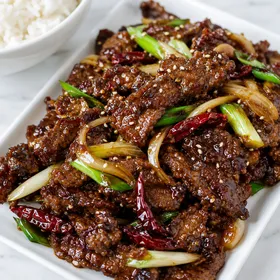
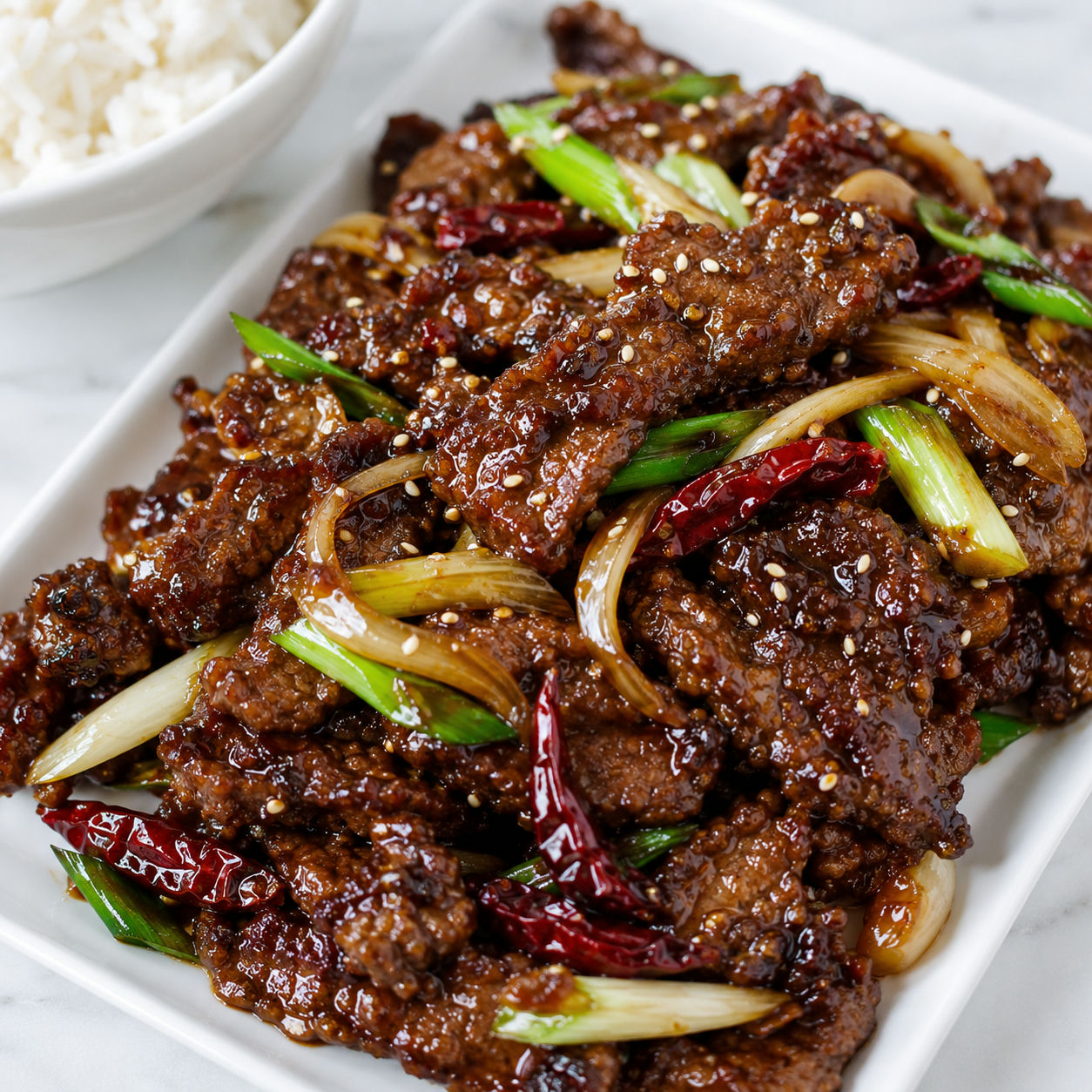
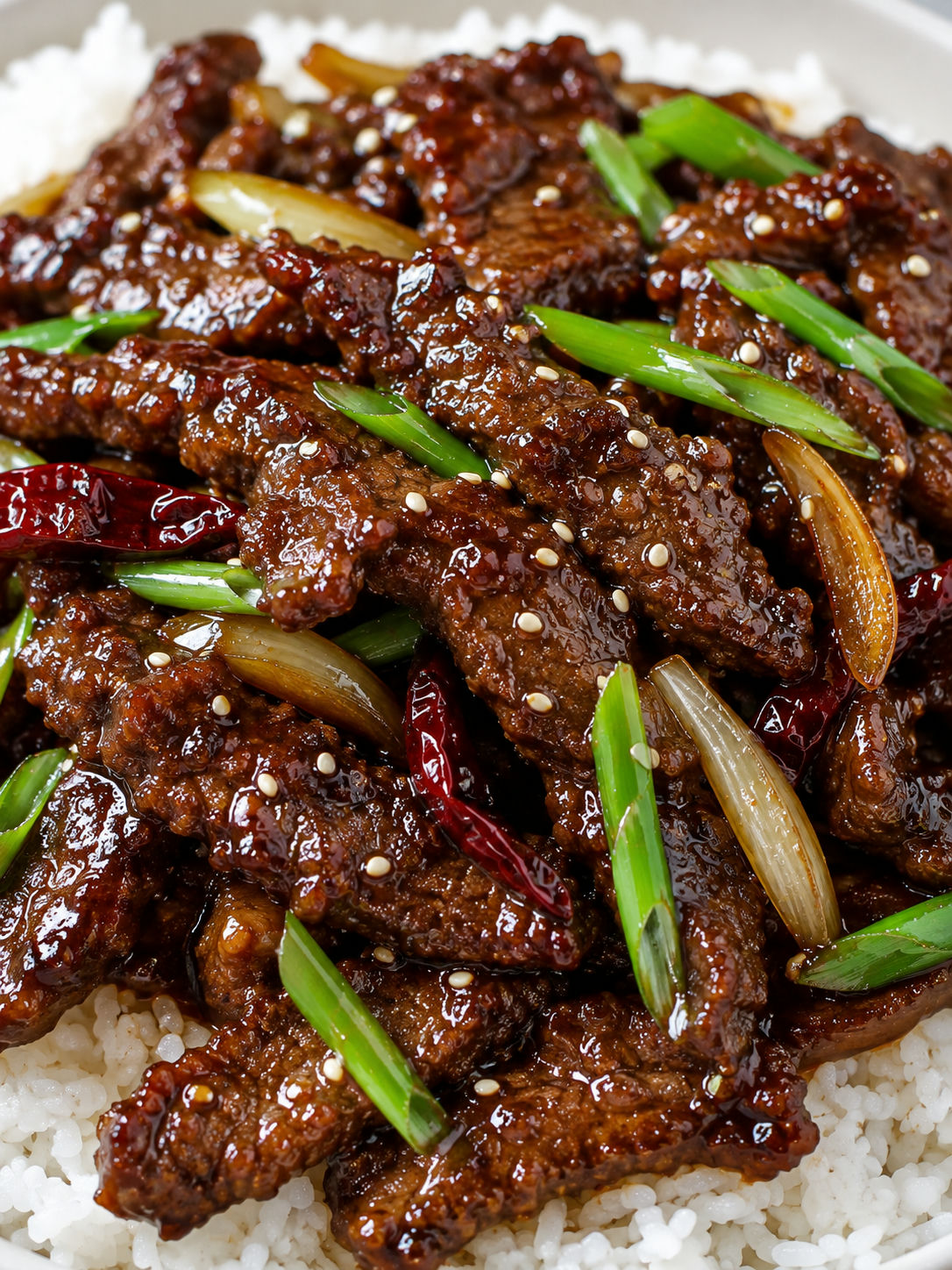
Mongolian Beef is the kind of takeout-style dinner that makes the kitchen smell good before the rice is even done. The beef gets crisp at the edges, the sauce turns glossy in the pan, and the scallions soften just enough to stay fresh.
This version keeps the sauce rich without making it syrupy. A short cornstarch coating helps the steak brown fast, while garlic, ginger, soy sauce, hoisin, and a little brown sugar build that sweet-savory glaze people expect from Mongolian Beef.
The Beef And Sauce Lineup
Use a cut with clear grain so you can slice it thinly across the fibers. Low-sodium soy sauce gives you better control because the glaze reduces quickly in the skillet.
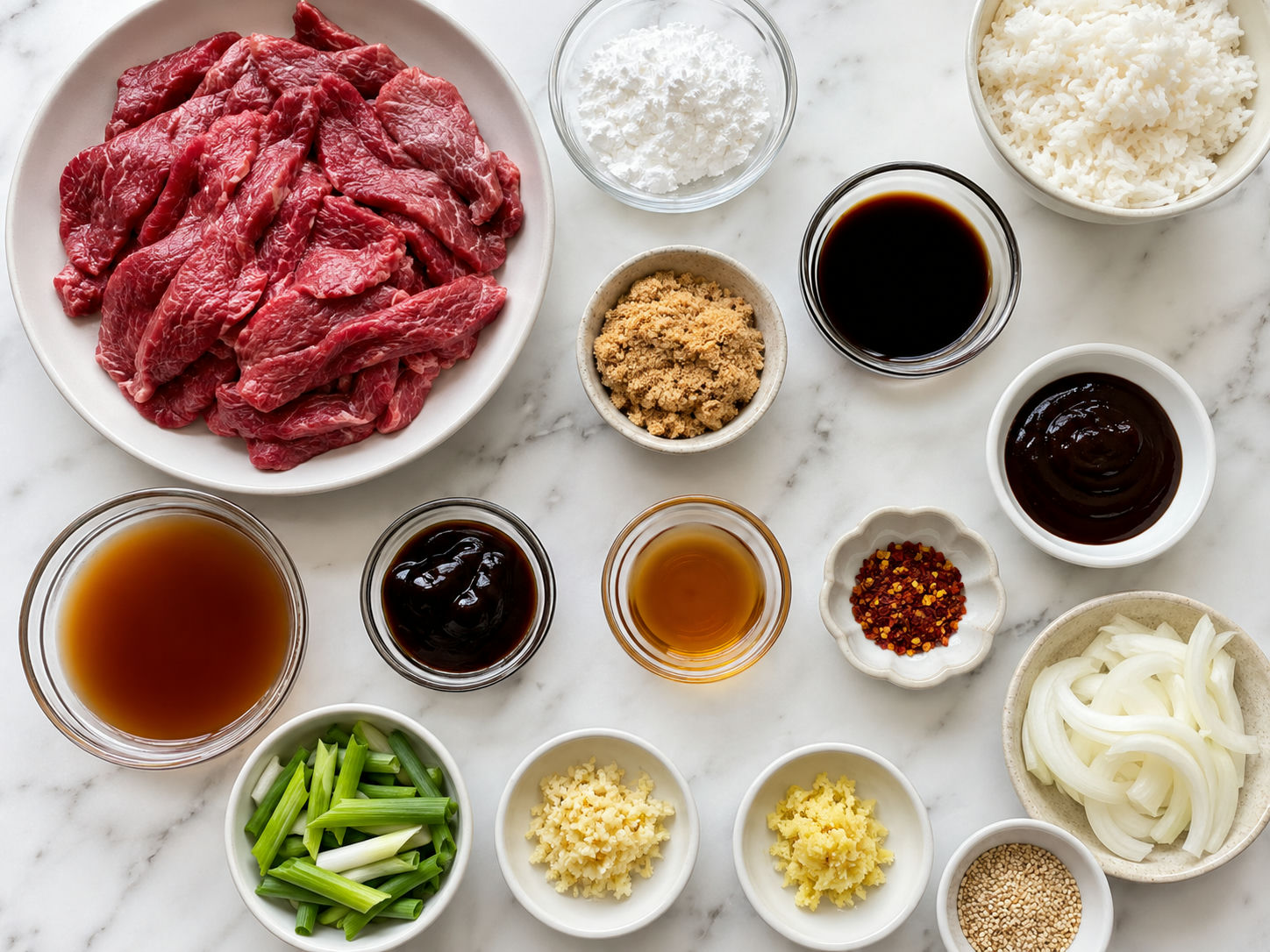
- Flank steak. Slices thinly and stays tender when cut across the grain.
- Cornstarch. Creates a light crust on the beef and helps the sauce cling.
- Soy sauce. Brings salt and deep savory flavor to the marinade and sauce.
- Brown sugar. Gives the glaze its caramel color and gentle sweetness.
- Hoisin sauce. Adds body, sweetness, and a little fermented depth.
- Oyster sauce. Makes the sauce taste round and restaurant-style.
- Garlic and ginger. Keep the sauce sharp enough to balance the sugar.
- Yellow onion and scallions. Add crunch, sweetness, and fresh green bite.
- Sesame oil and sesame seeds. Finish the dish with a nutty aroma.
Cook It Hot And Fast
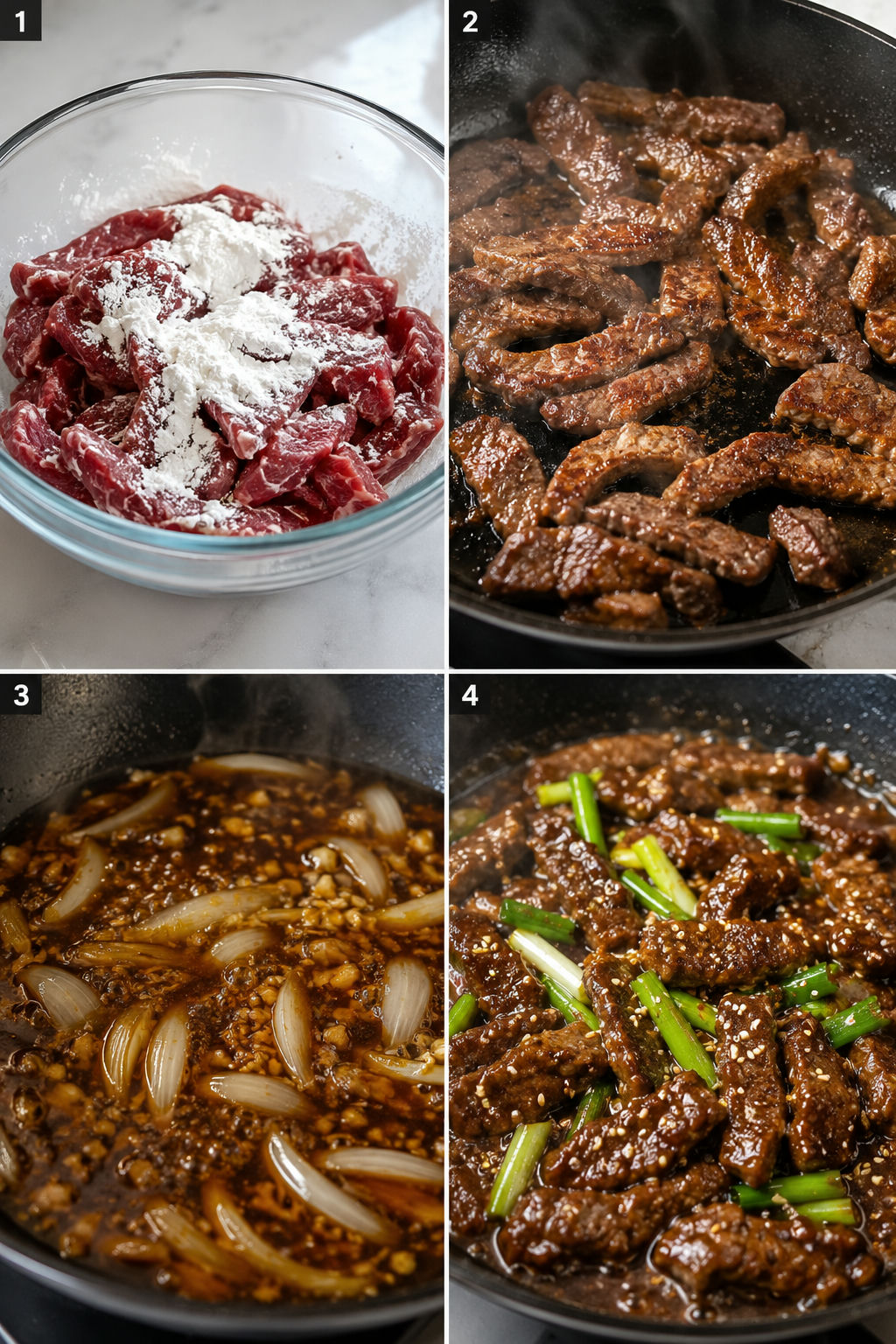
- Slice the beef. Cut the flank steak across the grain into thin strips. Toss it with soy sauce, black pepper, and cornstarch, then let it sit for 10 minutes.
- Mix the sauce. Whisk soy sauce, brown sugar, hoisin, oyster sauce, broth, chili flakes, and a cornstarch slurry in a bowl so it is ready before the pan gets hot.
- Sear in batches. Heat oil in a wok or large skillet. Cook the beef in a single layer until browned and crisp at the edges, about 1-2 minutes per side.
- Cook the aromatics. Lower the heat slightly. Stir-fry the onion for a minute, then add garlic and ginger for about 30 seconds until fragrant.
- Gloss the sauce. Pour in the sauce and simmer until it thickens enough to coat a spoon. Stir often so the sugar does not scorch.
- Finish the stir-fry. Return the beef with scallions and sesame oil. Toss for 30-60 seconds, then serve hot with rice and sesame seeds.
Why The Coating Matters
The cornstarch is not there to make a heavy crust. It forms a thin, dry layer that browns quickly and grabs the sauce when the beef goes back into the pan. That is why Mongolian Beef tastes glossy instead of watery.
A small amount of starch in a marinade is part of the Chinese cooking technique often called velveting. Food Network's guide to velveting meat explains how the coating helps meat stay tender during high-heat cooking. Keep the coating light here. Too much cornstarch turns pasty once the sauce hits.
Do Not Crowd The Pan
Good Mongolian Beef needs heat. If the beef is stacked or touching too much, moisture pools in the skillet and the slices steam. Work in two batches even if it feels fussy. The whole step still takes only a few minutes.
A wok is ideal, but a wide stainless steel or cast-iron skillet works well. Let the first side sit undisturbed long enough to brown. You want dark spots at the edges before flipping. For another beef dinner with the same fast skillet rhythm, try Best Beef Broccoli Noodles or Easy Beef Cabbage Stir-Fry.
Balance The Sweet Sauce
Restaurant-style Mongolian Beef is sweet, but it should not taste like candy. Hoisin and oyster sauce add richness, while ginger and chili flakes keep the glaze from feeling flat. If you prefer a lighter sauce, reduce the brown sugar by 1 tablespoon and add a splash of rice vinegar at the end.
The Woks of Life has a useful discussion of Mongolian Beef as a Chinese-American takeout dish, along with a less-sweet approach to the sauce, in its Mongolian Beef recipe. This version uses onion for a little crunch and keeps the cooking time short so the beef stays juicy.
Serve It While Glossy
Mongolian Beef is best right away, spooned over steamed jasmine rice. The rice catches the sauce and softens the stronger edges of the soy and ginger. For a fuller plate, add steamed broccoli, snap peas, or cucumber salad on the side.
If you like beef dinners with bold sauce, Korean BBQ Beef Rice Paper Rolls are fresh and chewy, while Mexican Beef & Rice Skillet leans cozy and one-pan. Different flavors, same weeknight comfort.
Storage And Reheat Notes
Leftovers keep well, but the crisp coating softens after chilling. Store the beef and rice separately if you can. Reheat the beef in a skillet with 1-2 tablespoons of water until the sauce loosens and turns shiny again.
For food safety, cooked leftovers should be reheated until hot throughout. FoodSafety.gov lists safe temperatures for meats and leftovers in its minimum internal temperature chart. I do not recommend freezing this dish because the sauce can turn thin and the onions lose their snap.
Summary
This Mongolian Beef recipe gives you tender flank steak, crisp edges, and a shiny garlic ginger glaze without a long prep list. Serve it right away over hot rice for the best texture.
Frequently Asked Questions
- What cut of beef is best for Mongolian Beef?
-
Flank steak is the classic choice because it slices thin and cooks quickly. Skirt steak, sirloin, hanger steak, or top round also work if you cut them across the grain and keep the slices thin.
- Can I make Mongolian Beef without hoisin sauce?
-
Yes. Use an extra tablespoon of soy sauce plus 1 teaspoon of brown sugar and a tiny splash of rice vinegar. The flavor will be less rounded, but the sauce will still turn glossy and savory.
- How do I keep the beef tender?
-
Slice across the grain, coat lightly with cornstarch, and sear in a single layer. Crowding the pan makes the meat steam, which gives you gray beef instead of crisp edges.
- Can I make this ahead?
-
You can slice the beef and mix the sauce up to a day ahead. Cook the stir-fry right before serving because the crisp coating softens once it sits in the sauce.
- How should I store leftovers?
-
Refrigerate leftovers in an airtight container for up to 3 days. Reheat in a skillet over medium heat with a splash of water until hot and glossy again.
- Is Mongolian Beef spicy?
-
It is usually more sweet-savory than hot. Add chili flakes or dried chiles if you want warmth, or leave them out for a milder family dinner.