 Pin it
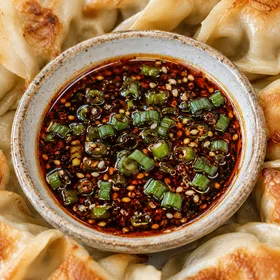
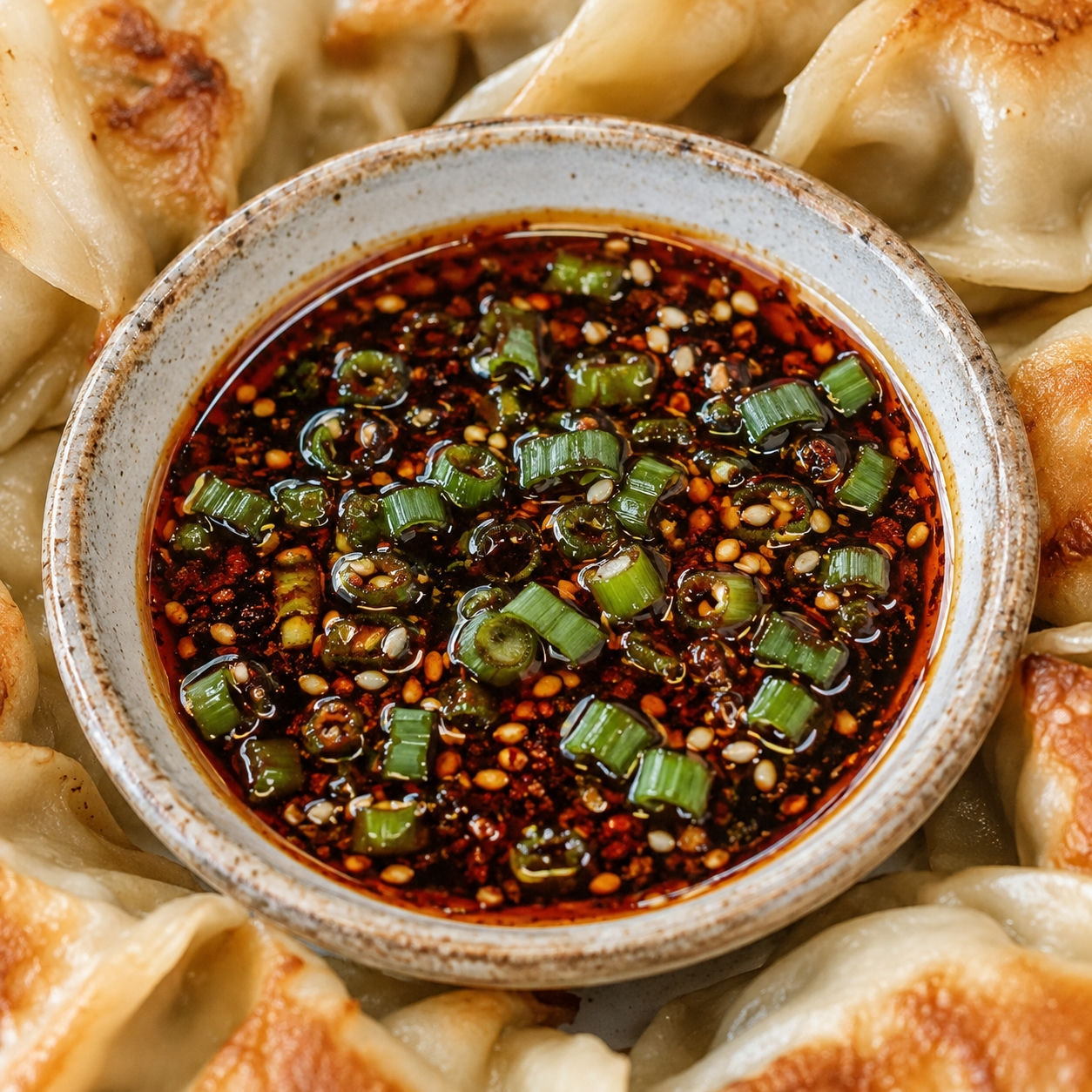
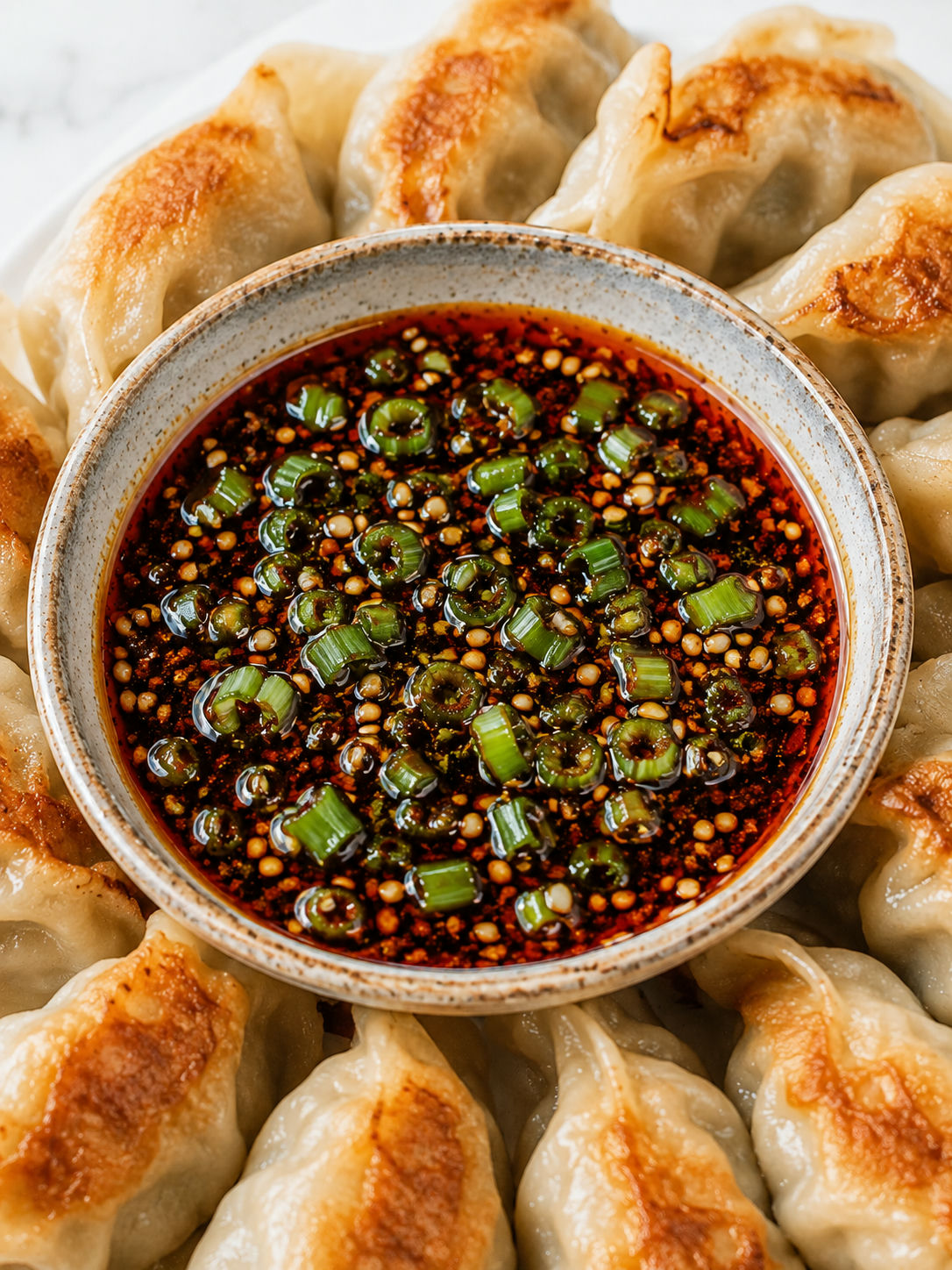
This spicy dumpling sauce is the little bowl I make while frozen dumplings steam or pan-fry. It tastes salty, tangy, warm from chili, and nutty from sesame without needing a saucepan.
The sauce works because every ingredient has a job. Soy sauce gives it depth, rice vinegar keeps it lively, chili garlic oil brings heat, and a pinch of sugar smooths the sharp edges.
Spicy Dumpling Sauce Lineup
Use low-sodium soy sauce if your dumplings are already well seasoned. Choose regular rice vinegar, not seasoned rice vinegar, so the sauce stays clean and easy to adjust.
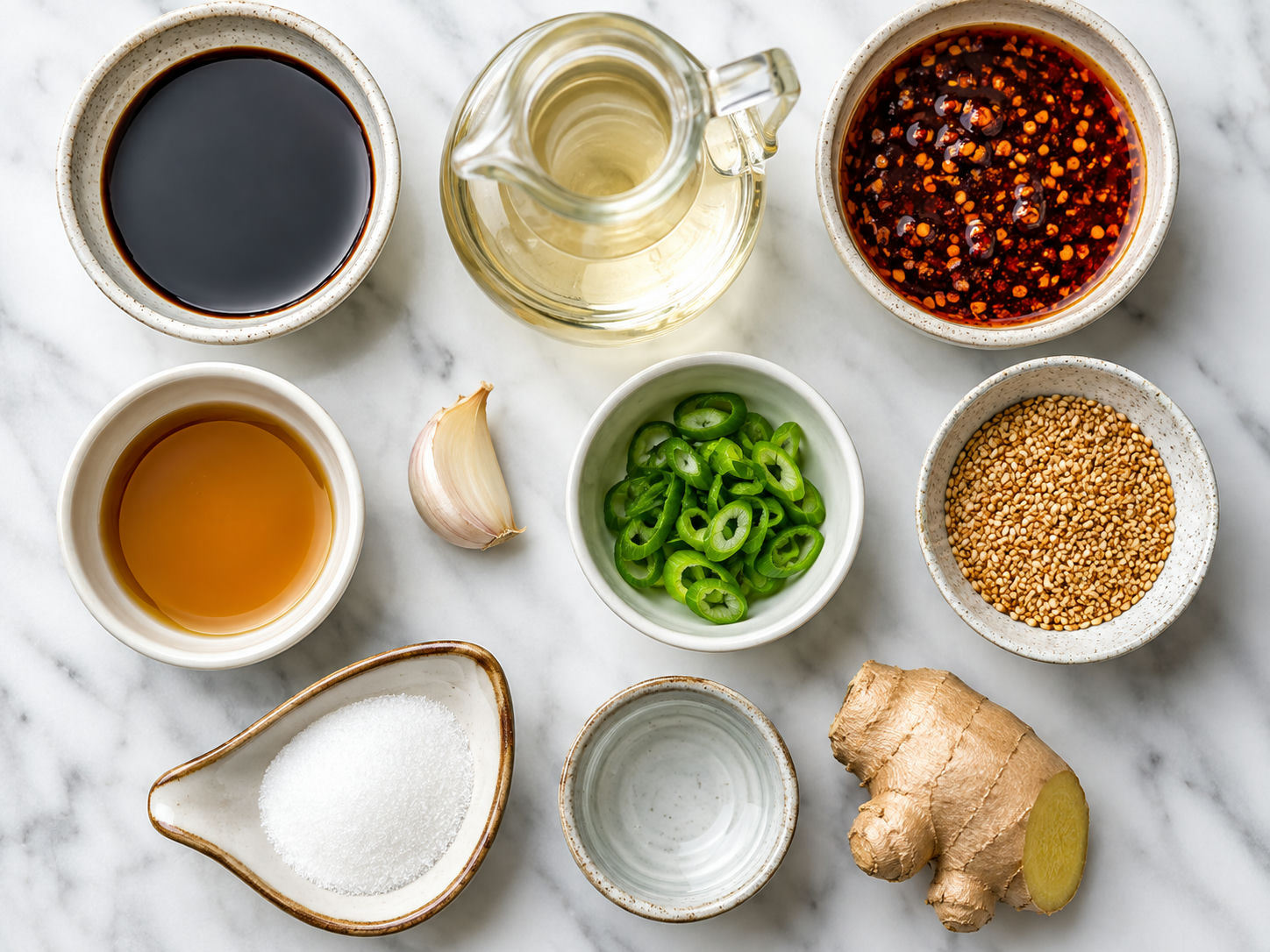
- Soy sauce. Gives the sauce its salty, savory base and makes each dumpling taste fuller.
- Rice vinegar. Adds the tang that cuts through rich pork, shrimp, chicken, or vegetable fillings.
- Chili garlic oil. Brings heat, garlic, and a little red gloss that clings to the dumplings.
- Toasted sesame oil. Adds a nutty finish, so use it lightly because it is strong.
- Fresh garlic. Sharpens the sauce and keeps it from tasting flat.
- Sugar. Softens the vinegar and chili so the sauce tastes balanced.
- Green onion. Adds freshness and a mild bite at the end.
- Sesame seeds. Bring a tiny crunch and a toasted aroma.
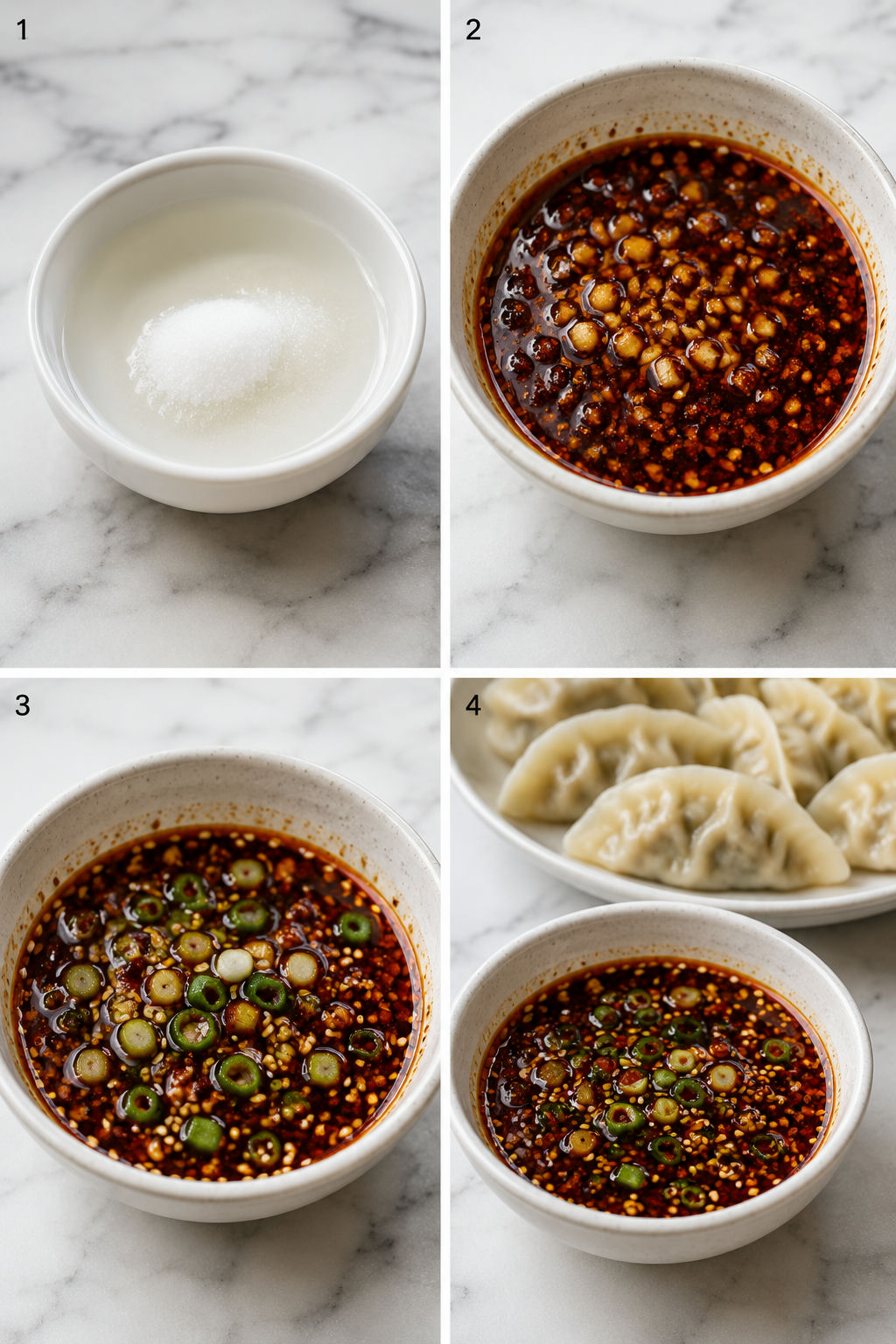
Stir It Into Balance
- Dissolve the sugar. Stir the sugar with hot water first so it disappears into the sauce instead of settling at the bottom.
- Mix the liquid base. Add soy sauce, rice vinegar, chili garlic oil, sesame oil, and garlic to the bowl. Stir until the surface looks glossy.
- Add the fresh finish. Fold in sliced green onion and sesame seeds. Taste with a dumpling or a spoonful of filling if you have one nearby.
- Rest briefly and serve. Let the sauce sit for 3-5 minutes so the garlic softens into the soy and vinegar. Serve in small bowls or spoon it over hot dumplings.
Why The Ratio Works
A good dumpling sauce needs contrast. Soy sauce brings salt and umami, vinegar brings brightness, chili oil adds warmth, and sugar rounds off the rough edge. That same balance shows up in classic dumpling dips like the version from The Woks of Life.
The biggest mistake is adding too much sesame oil. It smells amazing, but more is not better here. Half a teaspoon to one teaspoon is enough for a small bowl. Any more and the sauce starts to feel heavy.
Heat You Can Control
Chili garlic oil gives this sauce a medium heat with real flavor. If your jar is very spicy, start with half the amount and build up. If it tastes more garlicky than hot, add a pinch of red pepper flakes or a teaspoon of chili crisp.
For a softer sauce, replace some chili garlic oil with neutral oil and add an extra few drops of rice vinegar. For a sweeter dipping sauce, add another quarter teaspoon of sugar. Small changes matter because this is a concentrated condiment.
What To Dip With It
This sauce is made for dumplings, but it also saves other quick meals. Try it with one-pan red curry dumplings, crispy wonton-style bites like golden crunchy wonton shrimp, or a cold side such as spicy Korean cucumber salad.
It also makes sense beside rice and noodle dinners. A spoonful over quick saucy noodle bowls gives them a sharper finish without cooking another sauce.
Make Ahead And Store
You can mix the soy, vinegar, sugar, chili oil, sesame oil, and garlic up to 4 days ahead. Store it in a clean jar in the refrigerator. Add green onion and sesame seeds right before serving if you want the freshest texture.
For general cold storage, the FDA recommends keeping the refrigerator at or below 40°F and not leaving foods that need refrigeration at room temperature for more than 2 hours. Their food storage guidance is a useful rule of thumb for leftovers and opened ingredients.
Fix The Flavor Fast
If the sauce tastes too salty, add a splash of water and another small spoon of vinegar. If it tastes too sharp, add a pinch more sugar and a few drops of sesame oil. If it tastes flat, it probably needs garlic, chili, or green onion rather than more soy sauce.
Frozen dumplings vary a lot. Pork dumplings can handle a stronger, saltier sauce. Vegetable dumplings often taste better with a little extra vinegar. Shrimp dumplings are delicate, so go easier on chili and let the sesame stay in the background.
Summary
Keep this sauce in your back pocket for dumplings, wontons, rice bowls, and crisp appetizers. It is fast, flexible, and easy to tune hotter, sweeter, or brighter.
Frequently Asked Questions
- What is spicy dumpling sauce made of?
-
Most versions start with soy sauce and rice vinegar, then add chili oil or chili garlic sauce for heat. Sesame oil, scallions, sesame seeds, garlic, and a little sugar round out the flavor.
- Can I make this dumpling sauce less spicy?
-
Yes. Start with 1 teaspoon chili garlic oil instead of a full tablespoon, then add more after tasting. You can also use plain minced garlic and a few drops of sesame oil for a mild version.
- Can I use tamari instead of soy sauce?
-
Tamari works well and gives the sauce a slightly rounder flavor. Use gluten-free tamari if you need the sauce to be gluten-free, and taste before adding extra salt.
- How long does dumpling sauce last in the fridge?
-
Keep it in a clean airtight jar in the refrigerator for up to 4 days. The scallions soften as it sits, so stir in fresh scallions right before serving if you want a brighter finish.
- Should dumpling sauce be served warm or cold?
-
Room temperature is best. A cold sauce can dull the aroma of sesame oil and chili, while a warm sauce is not necessary because hot dumplings wake it up as you dip.
- What else can I eat with this sauce?
-
Use it with potstickers, wontons, spring rolls, scallion pancakes, rice bowls, or crisp vegetables. It is also good spooned over pan-seared tofu or a quick noodle bowl.