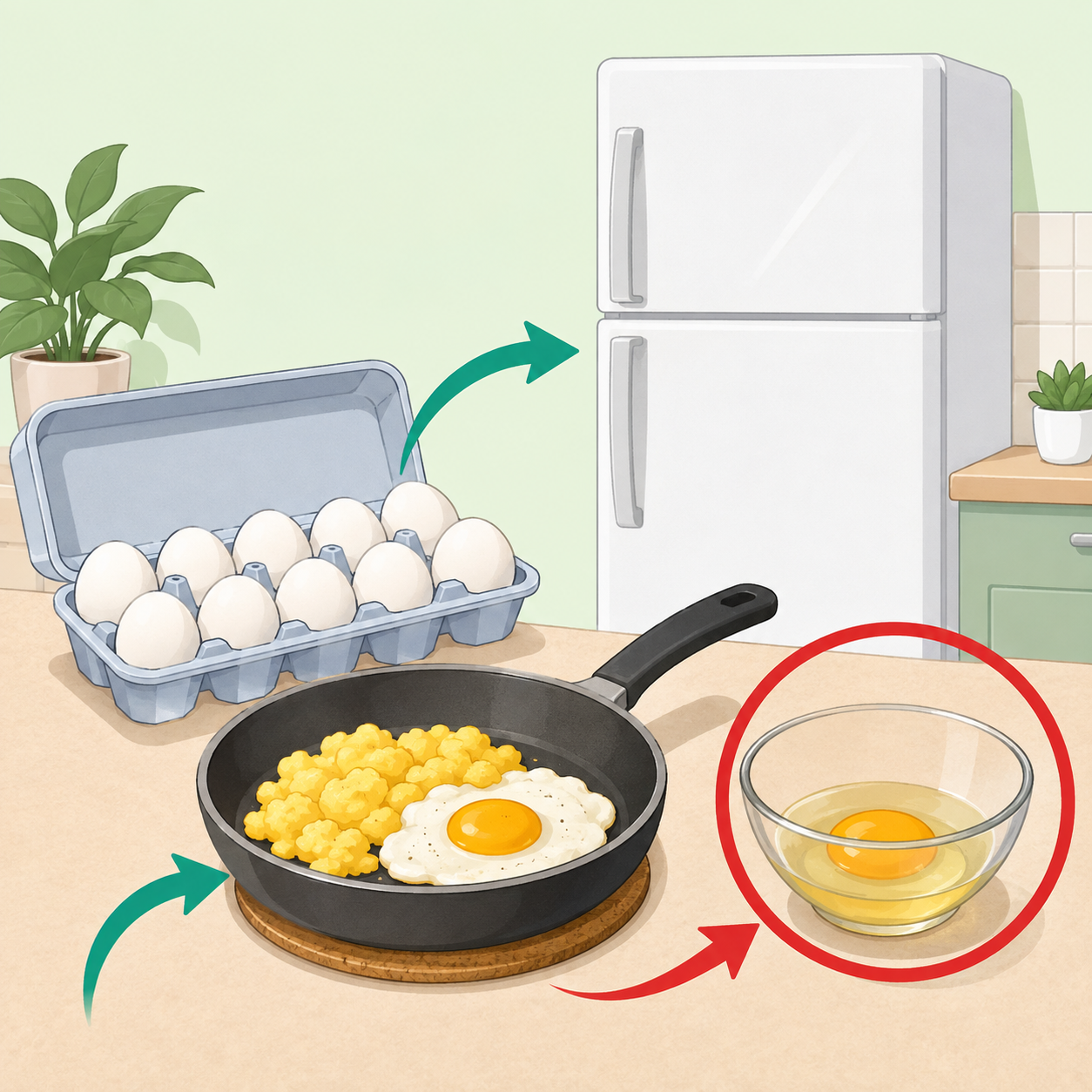
Eggs are not automatically dangerous, but raw, undercooked, poorly stored, or mishandled eggs can raise food-safety risks.
Clear general health information written with care, context, and practical safety notes. Start with one useful change and adapt it to your home.
122 results in this collection. (Page 2 of 11)
Updated on August 23, 2026
Eggs are not automatically dangerous, but raw, undercooked, poorly stored, or mishandled eggs can raise food-safety risks.
Use one clear question to cover the most important colonoscopy details: prep, medicines, sedation, risks, recovery, and results.
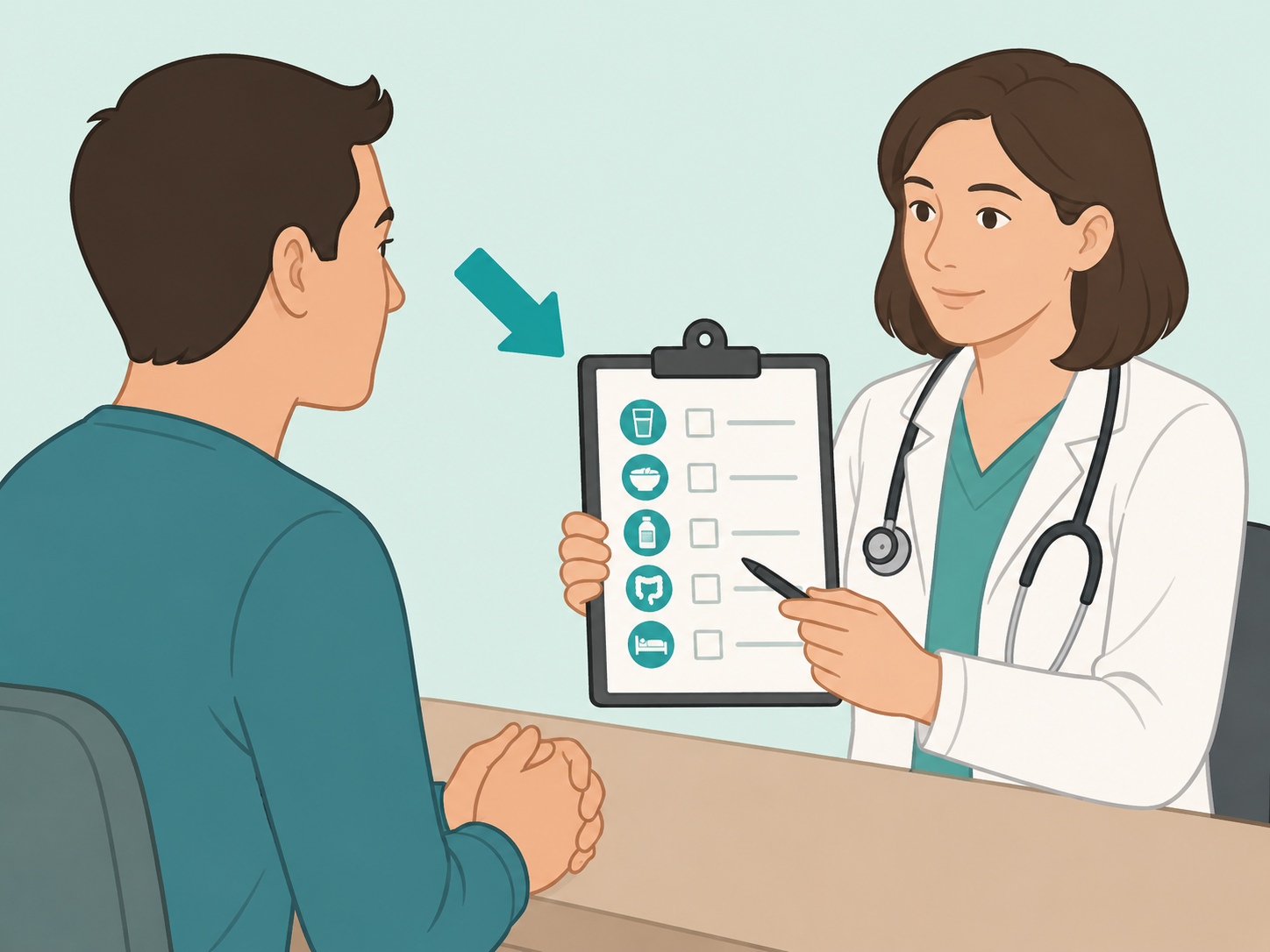
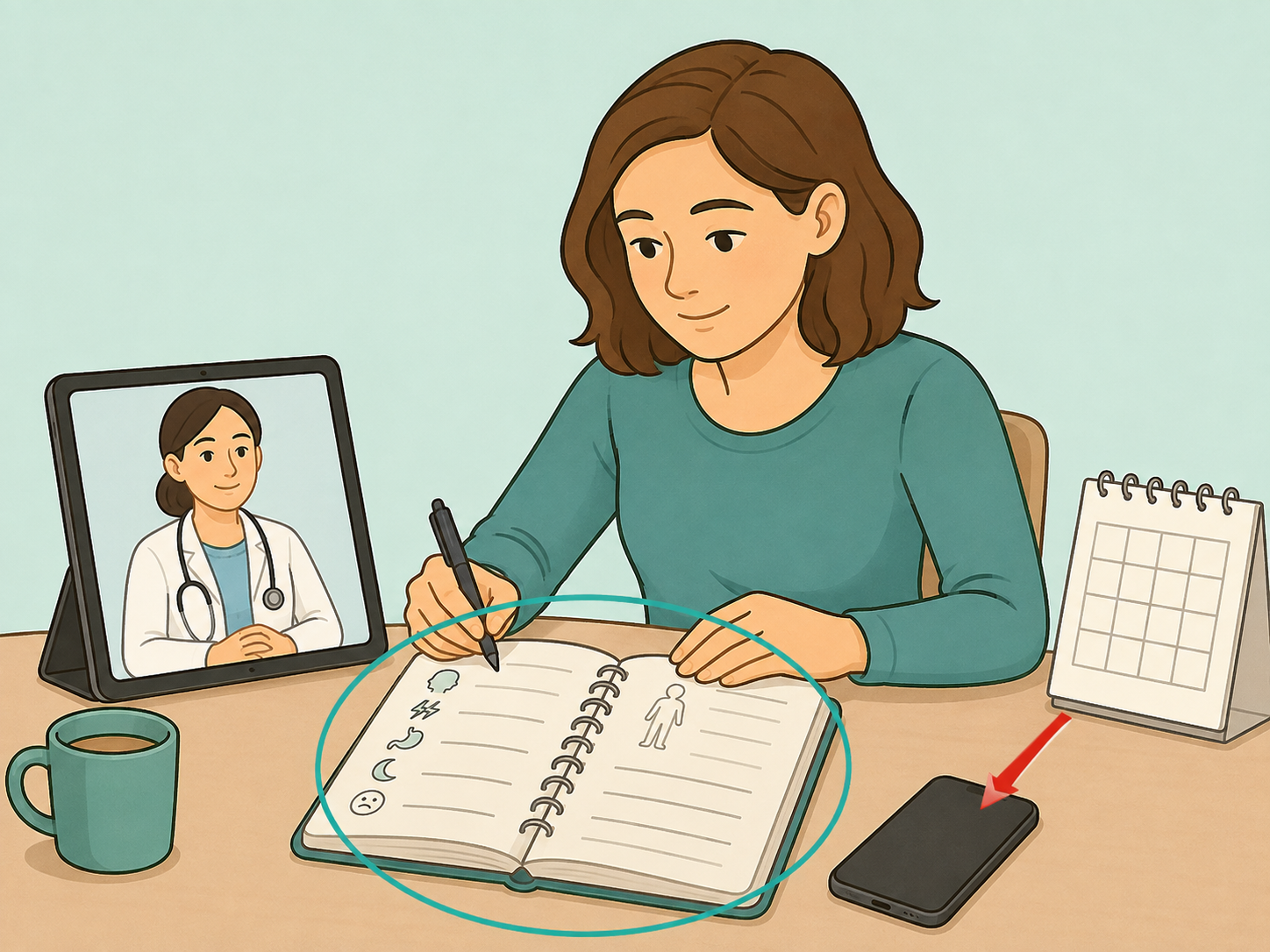
Use this calm checklist to notice persistent body changes, track symptoms, and know when to contact a health professional.
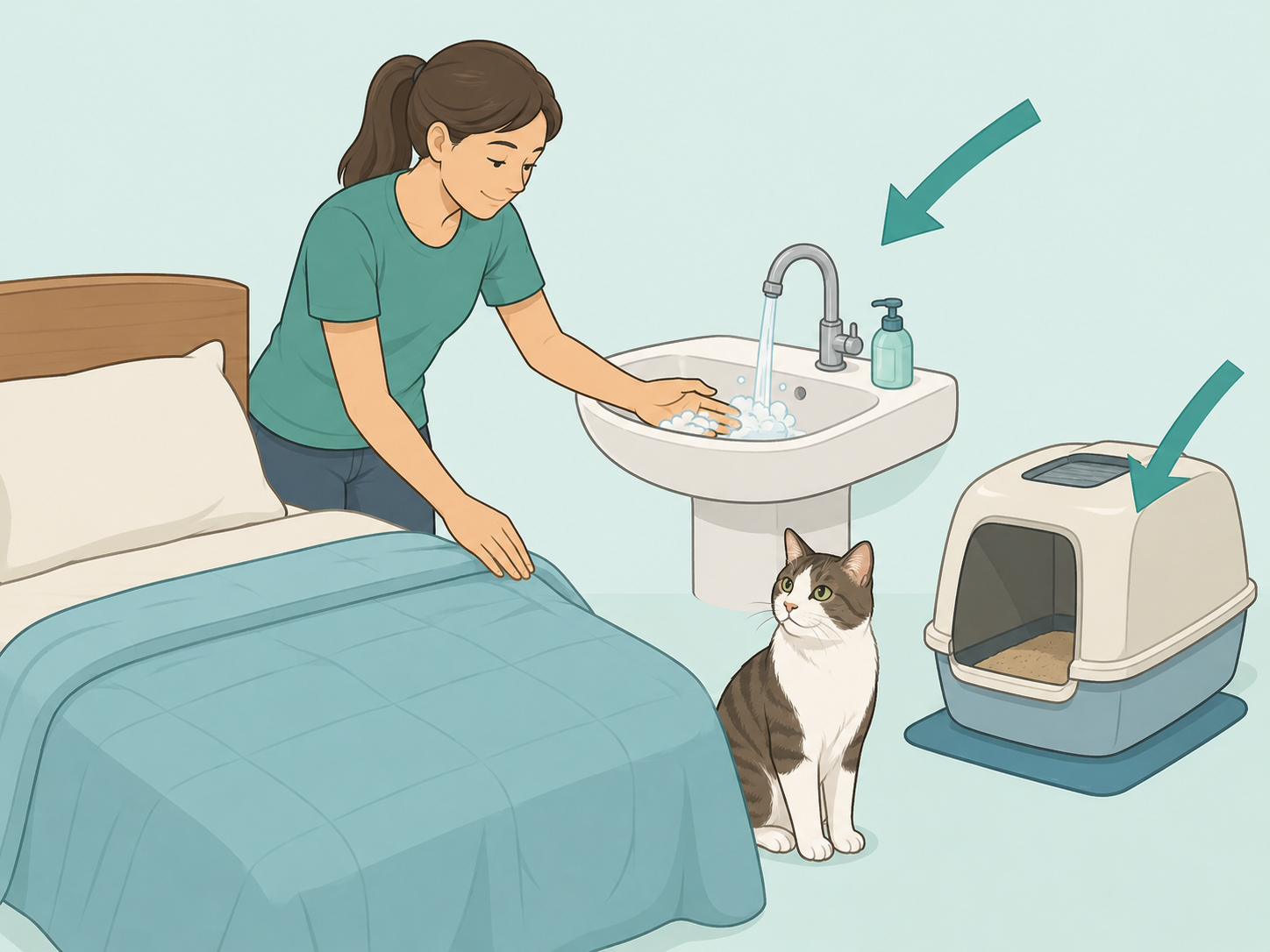
Sleeping with your cat is not automatically dangerous, but toxoplasmosis and other cat-related germs deserve extra care if you are pregnant or immunocompromised.
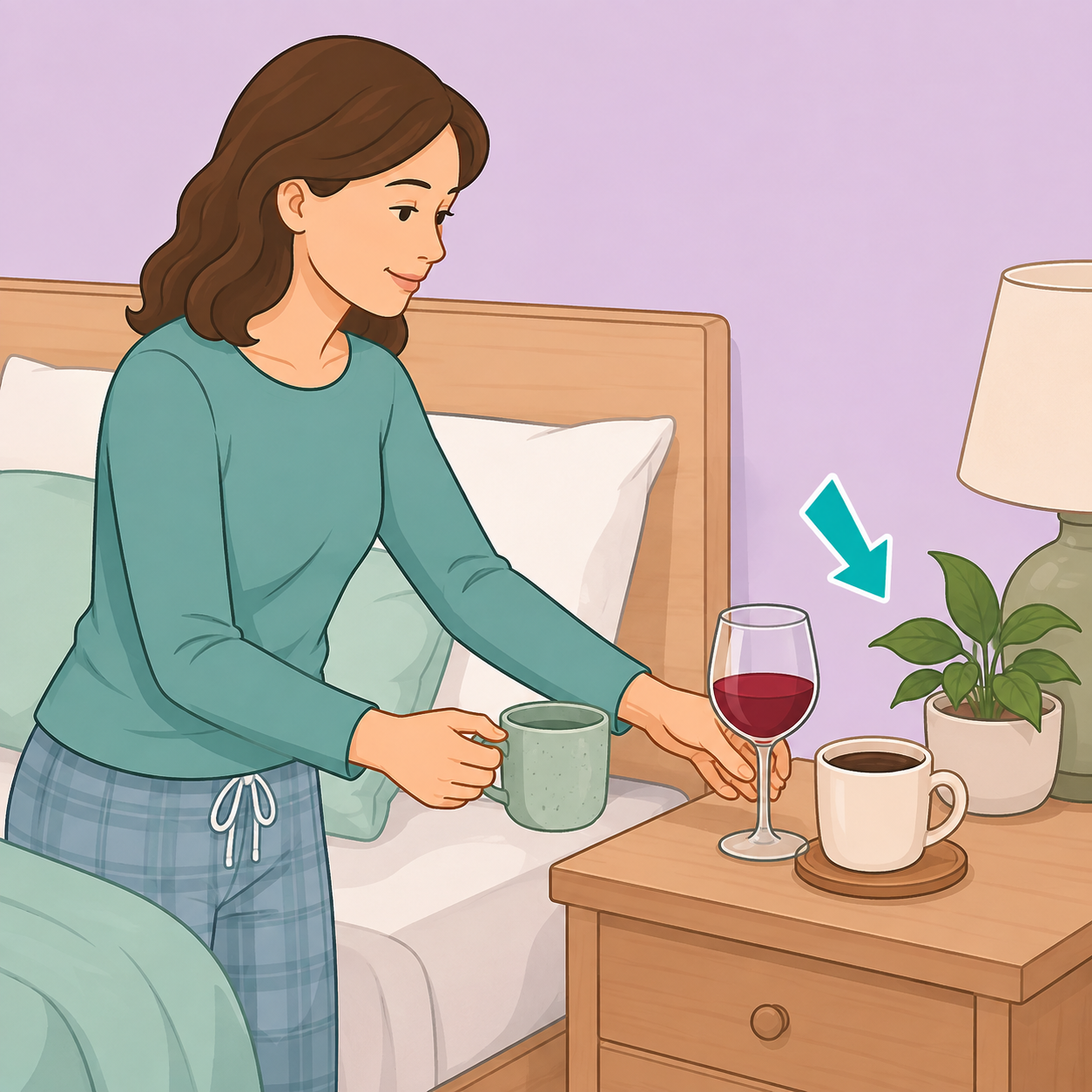
Alcohol and caffeine can disturb sleep and may matter for people watching blood pressure, heart rhythm, or stroke risk. Here is how to limit them safely.
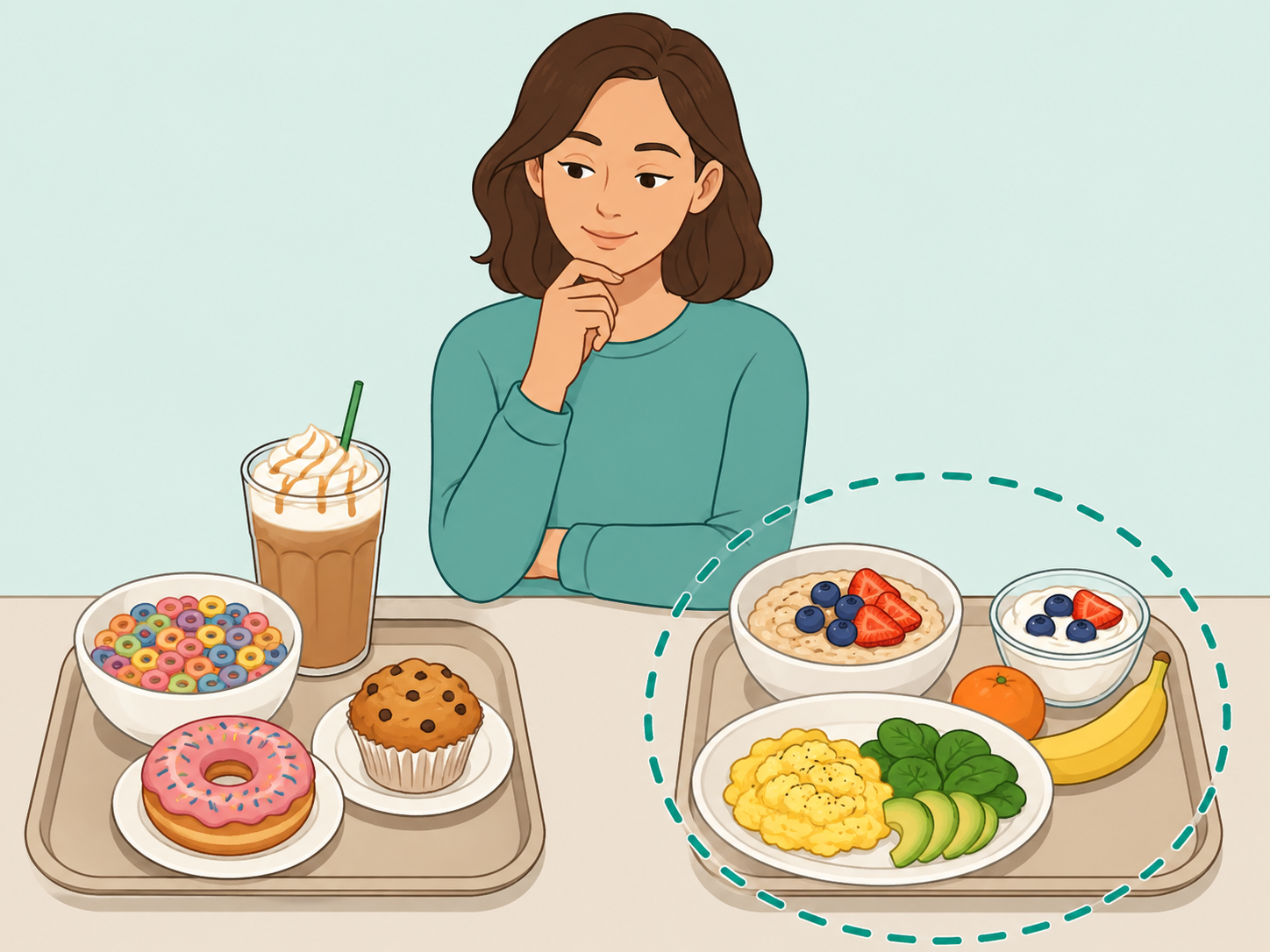
A sugary breakfast does not ruin your skin overnight, but cutting back on added sugar and refined carbs can support steadier mornings and healthier habits.
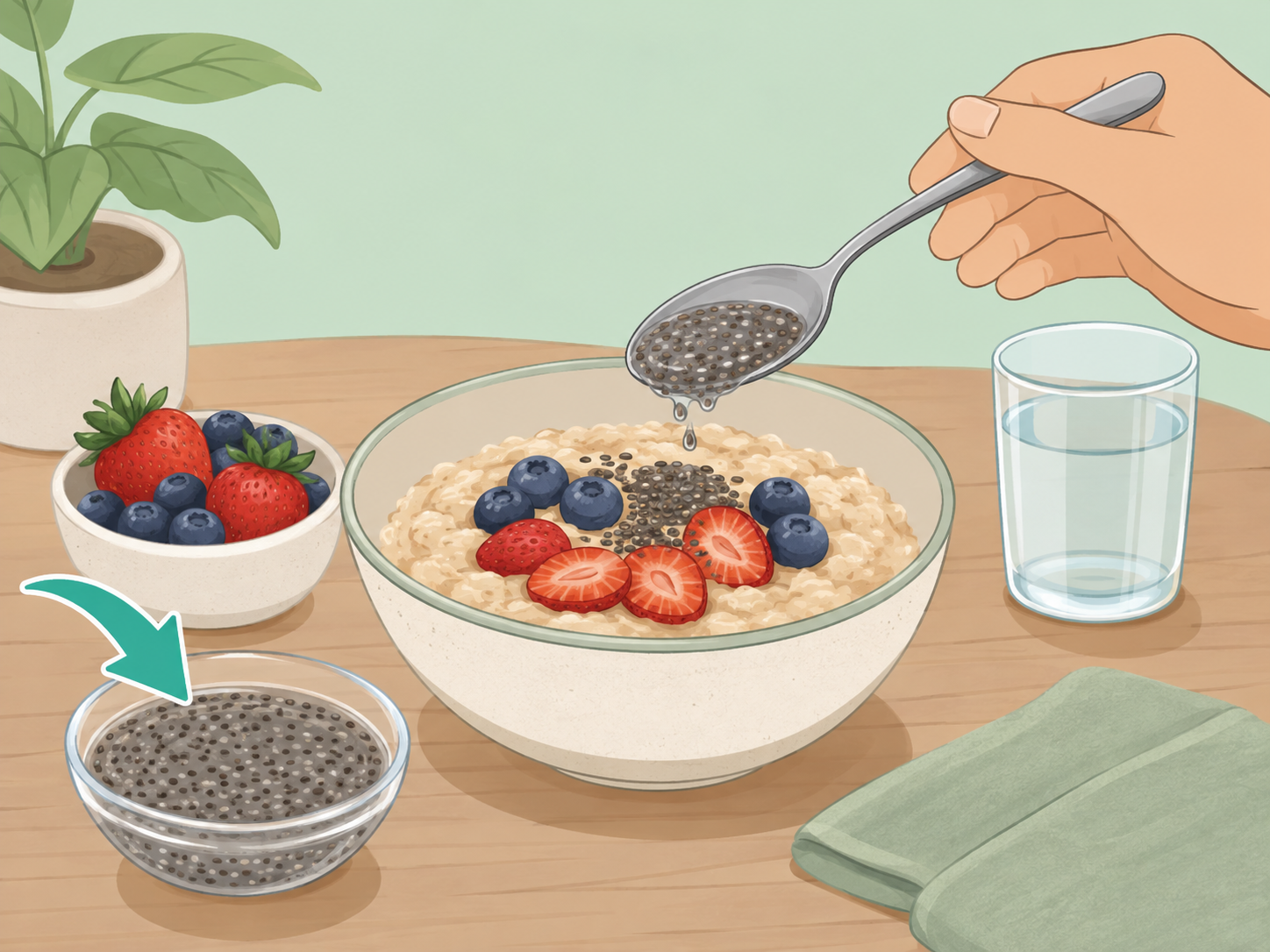
Chia seeds can be a useful, fiber-rich addition to a balanced diet. Here is how to use them safely and keep health and beauty claims realistic.
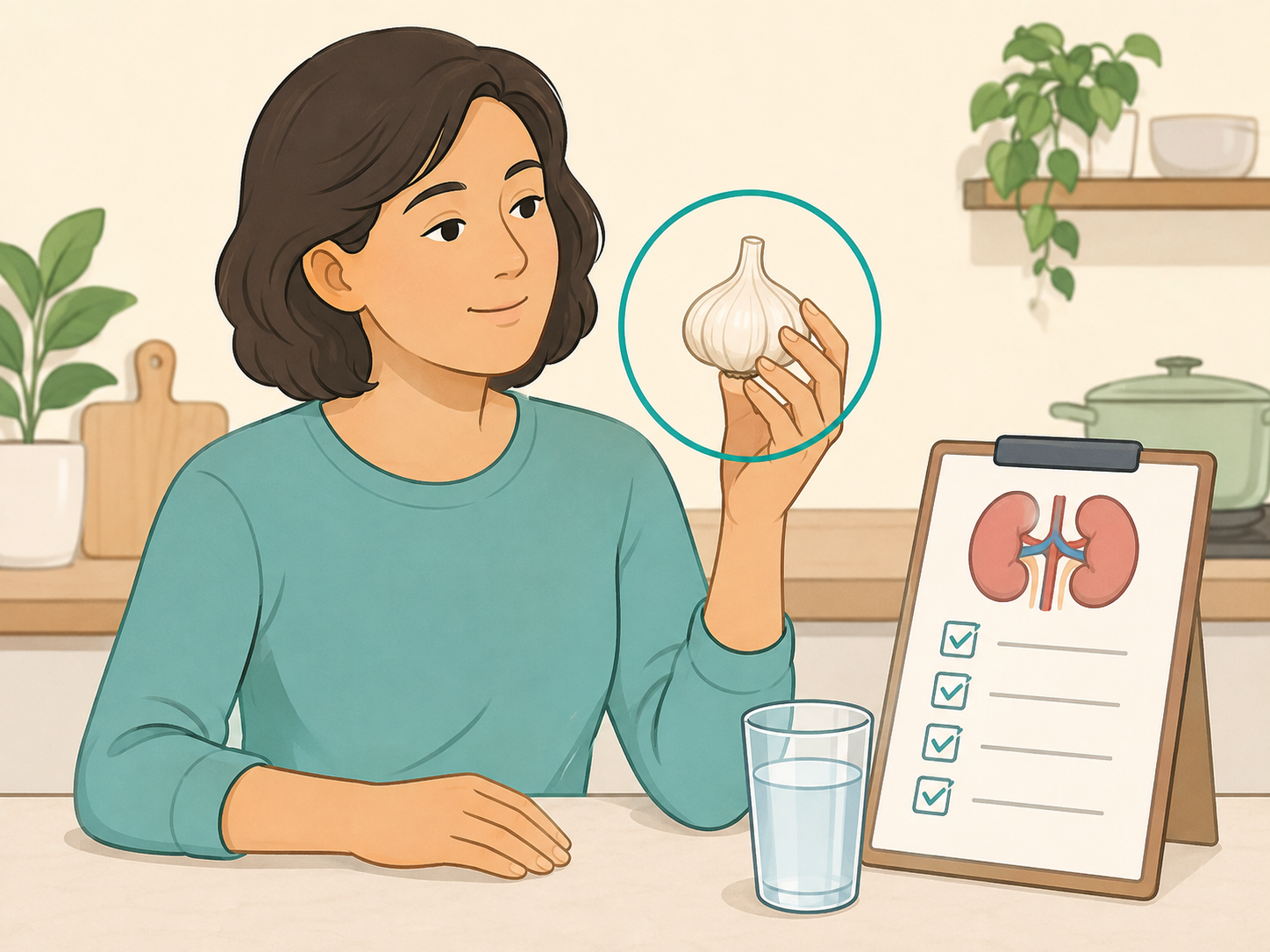
Use garlic as a flavorful food, be cautious with supplements, and rely on medical testing and care for kidney health concerns.
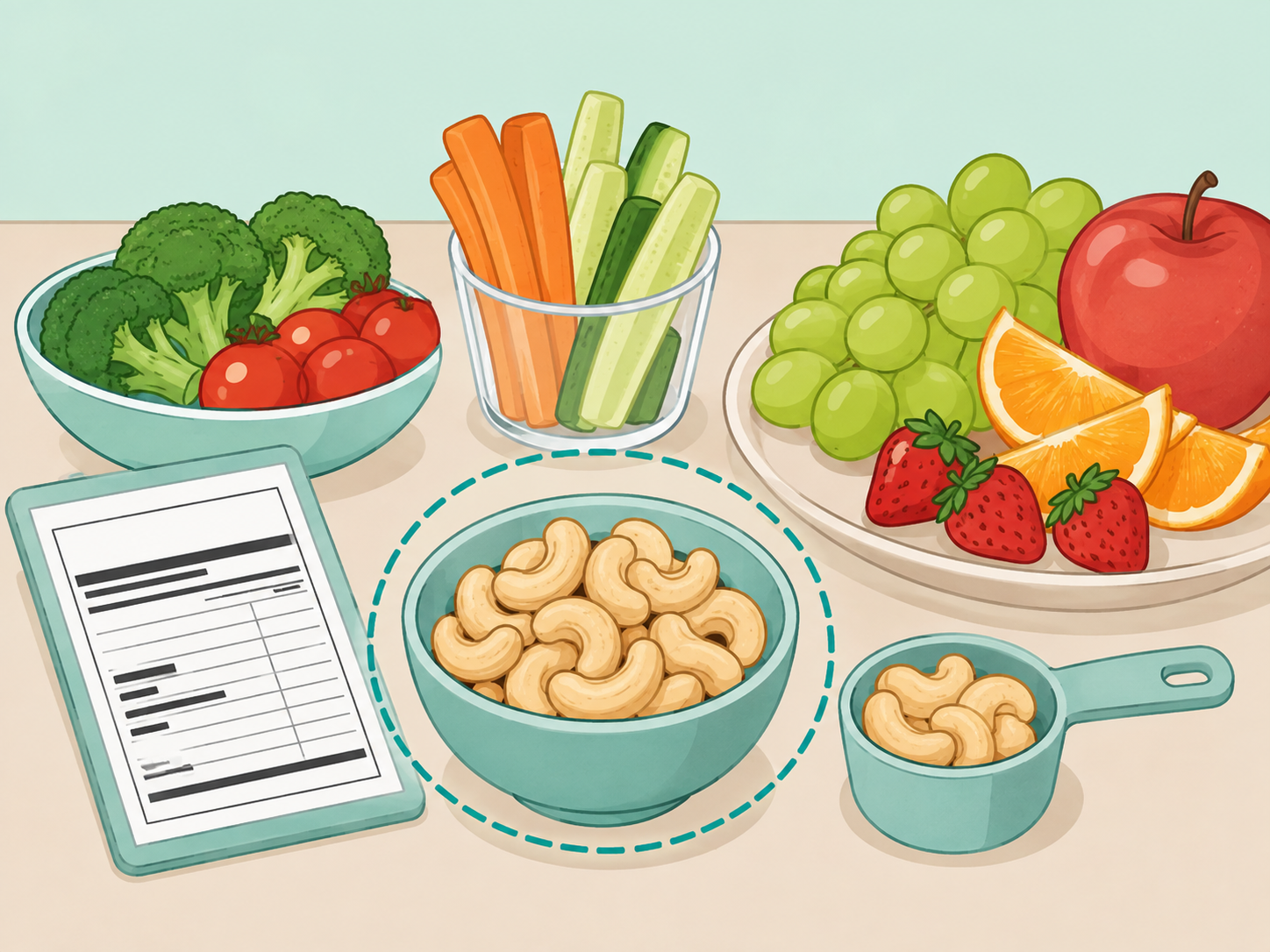
Cashews can be a nutritious snack when you keep portions modest, choose unsalted options, and treat beauty claims realistically.
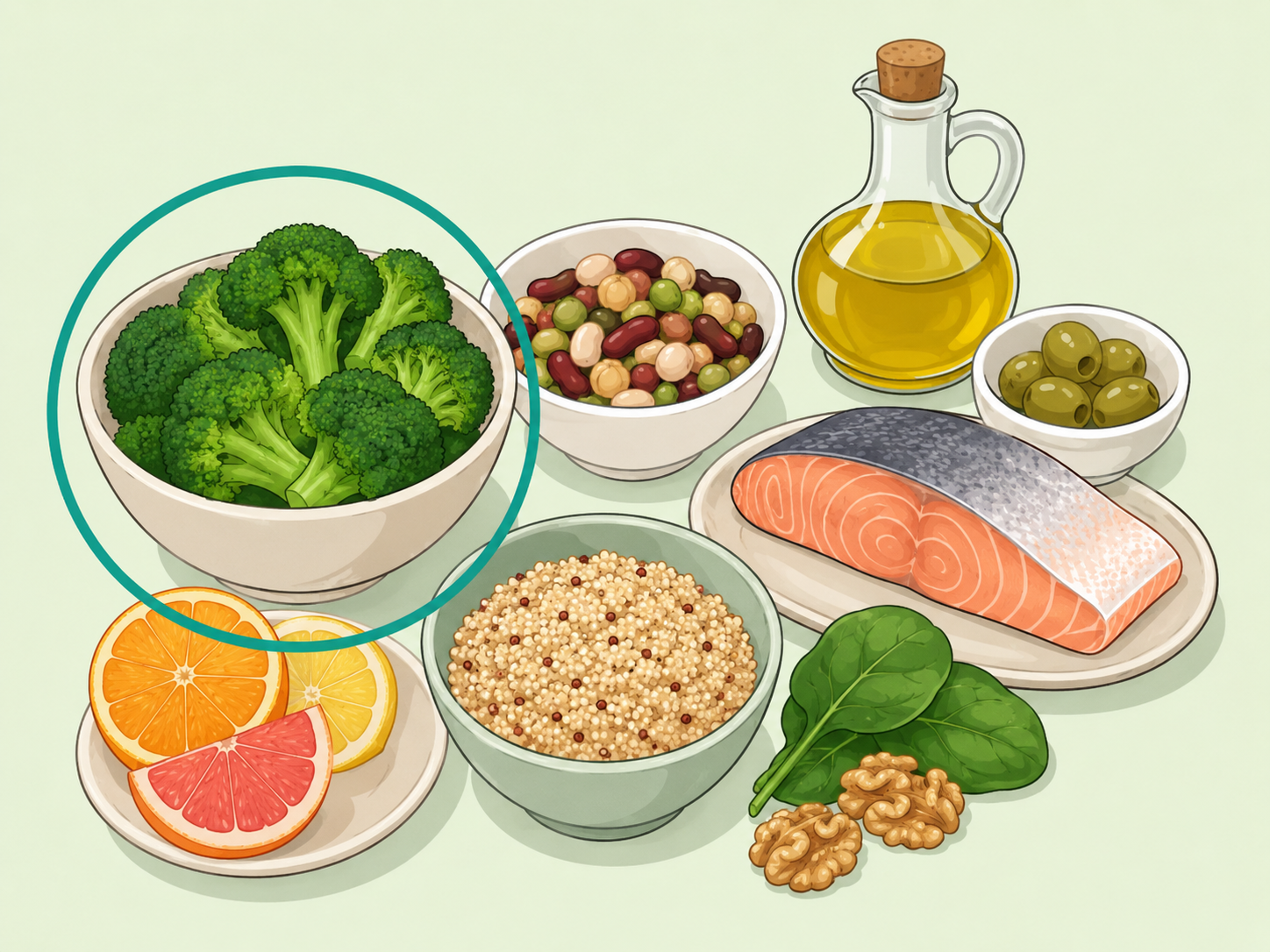
Broccoli can support a balanced, skin-friendly diet, but it is not a beauty cure. Here is how to eat it safely and realistically.
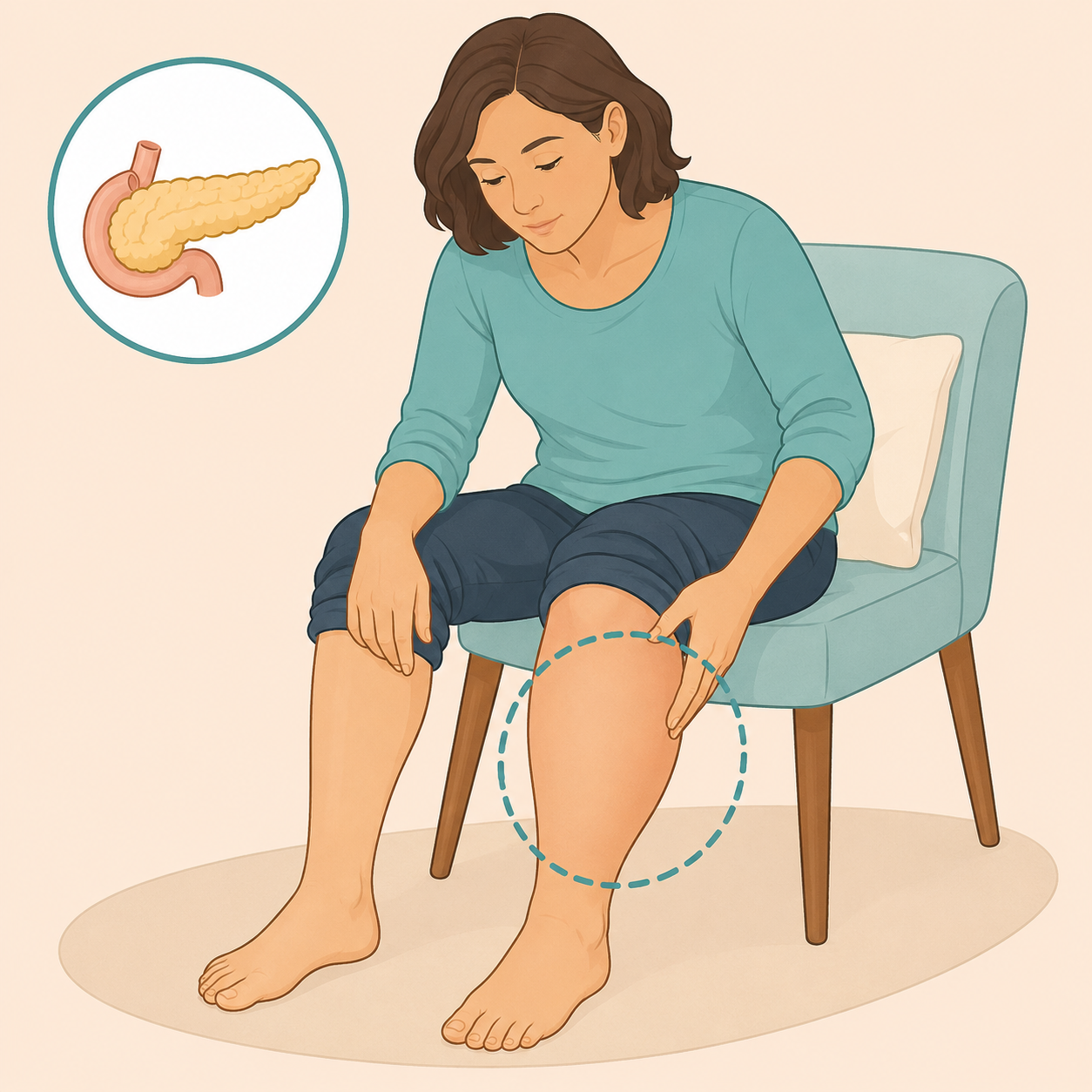
Leg changes usually have many possible causes, but sudden swelling or pain can sometimes signal a blood clot or another health issue that needs care.
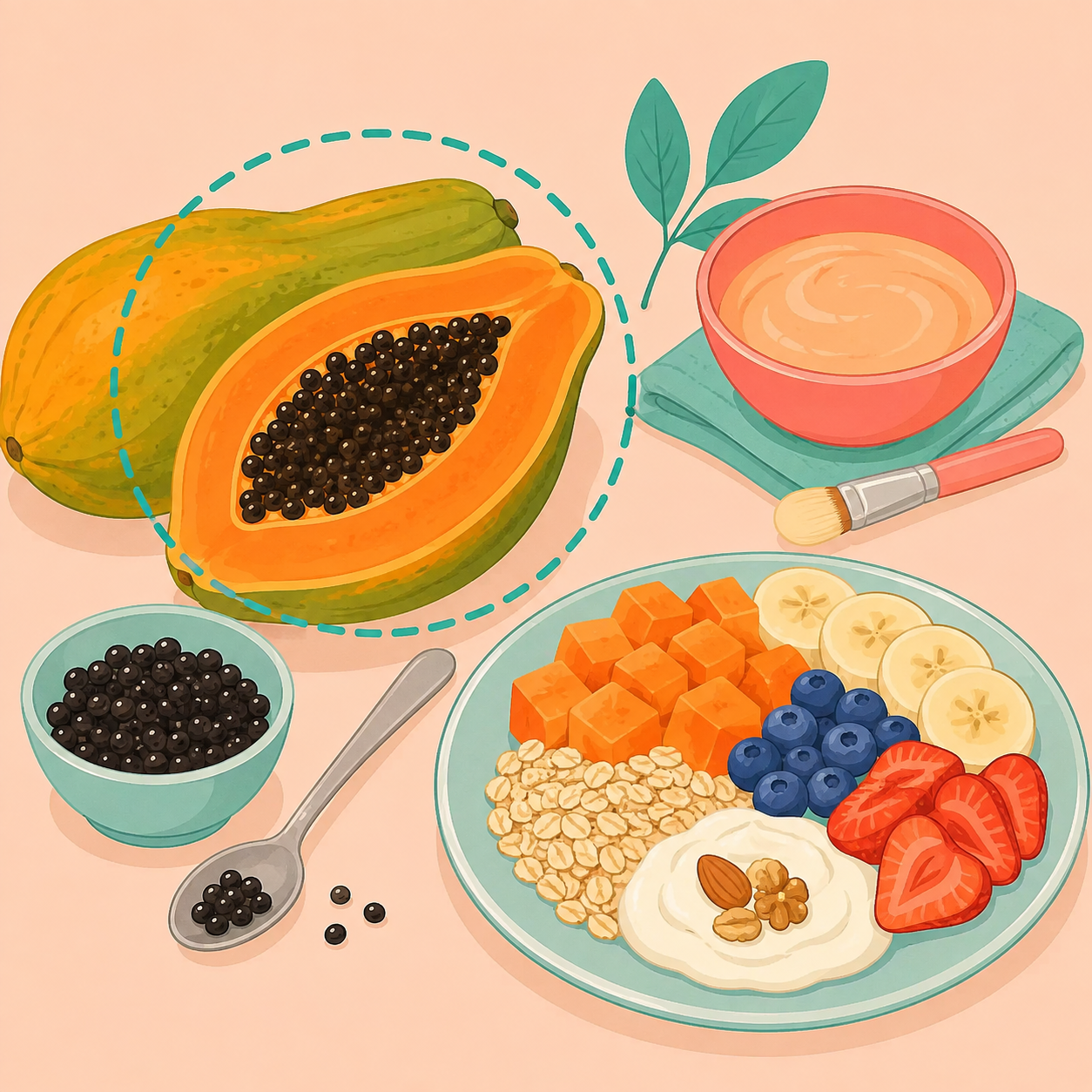
Papaya can support your diet, skin-friendly nutrition, and gentle beauty routines when you use it realistically and safely.